
The first time I tried to book Edinburgh in August, I spent three hours on Booking.com and concluded the city must be sold out. It wasn’t. The Fringe was on, prices had quadrupled, and the only rooms left were either £600 a night or 40 minutes by bus from anywhere worth being. That was the trip I learned what most first-time visitors don’t realize about Edinburgh hotels: there are essentially two cities here, separated by Princes Street, and the wrong side of that street in the wrong month can cost you everything.
What follows is the field-tested version. Ten hotels I’d book again, organized roughly from budget to flagship, with the practical context the listings sites don’t tell you. They’re the same ten featured in the Hoteliano YouTube video. The video gives you the headline. This guide gives you the booking-stage detail: which neighborhood each one sits in and why that matters, what the actual experience is like, who the place suits, and where competitor hotels fit into the mix if my top picks are sold out.
The Edinburgh hotel market is small and intensely seasonal. If you’re booking for the Fringe, Hogmanay, or August Tattoo, you need to know what you’re choosing between months in advance. If you’re booking for a quiet Tuesday in February, you’ll have your pick and a much cheaper price tag. The information below covers both.
Where to Stay in Edinburgh - The Neighborhoods
Edinburgh has a useful trick for visitors: nearly everything you came to see sits inside a 15-minute walking radius of the Scottish National Gallery, which sits on Princes Street, which separates Old Town and New Town. Stay inside that radius and you can ignore buses and trams entirely. Stay outside it and you’ll be in a taxi every evening.
That said, the neighborhoods inside the walkable core have completely different personalities.
Old Town
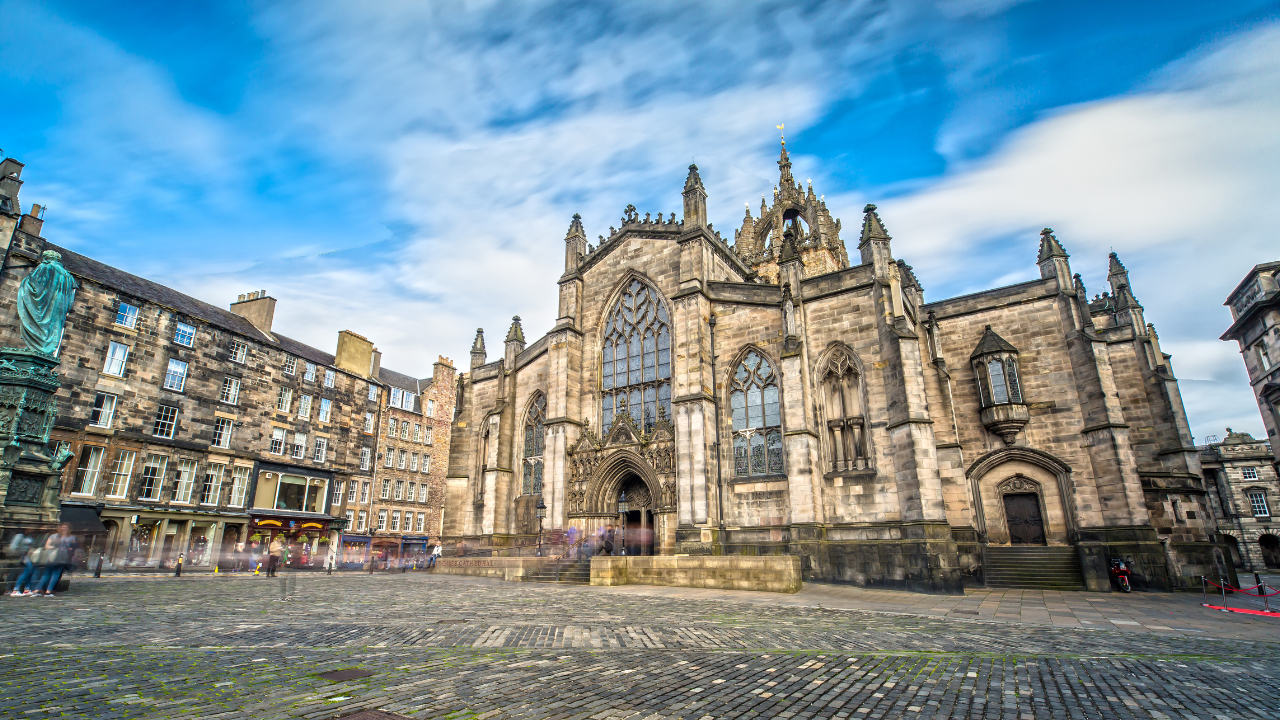
This is the storybook bit. Medieval lanes branching off the Royal Mile, the castle sitting on its volcanic plug above everything, Victoria Street curving below it in pastel sweep, and the slightly tilted feeling that all of Edinburgh is leaning forward. Most of the major sights are here: Edinburgh Castle, Palace of Holyroodhouse at the other end of the Royal Mile, St Giles’ Cathedral, the Real Mary King’s Close. Harry Potter pilgrims come here for Victoria Street (widely cited as the inspiration for Diagon Alley), The Elephant House café, and Greyfriars Kirkyard with its Tom Riddle gravestone. Stay in Old Town if it’s your first trip and you want the atmosphere. Be aware that the streets become genuinely impassable during the Fringe in August, and Victoria Street is mobbed with photographers by 9am most summer mornings.
New Town
New Town sits north of Princes Street and feels like a different city. Wide Georgian streets laid out in a grid in the 1760s, neoclassical architecture, designer shopping along George Street, and the kind of stately quiet that comes with old money. Charlotte Square is here, St Andrew Square is here, the Scottish National Portrait Gallery is here. New Town is the right base if you want elegance over atmosphere, easy walks to the Old Town when you want it, and a calmer return at the end of the day. It’s also where Edinburgh Waverley train station sits, which matters if you’re connecting from London or Glasgow.
Leith
Leith is the harbor district to the north, formerly working-class, now thoroughly gentrified into Edinburgh’s food and drink heart. The Royal Yacht Britannia is moored here. So is The Kitchin, Restaurant Martin Wishart, and several other Michelin-starred or Michelin-recommended kitchens. Leith is a 15-minute taxi from the city center or a £2 bus, which makes it a viable base if you prioritize food over walking access to the castle. It’s also where the Fingal Hotel sits.
Dean Village and Stockbridge
Dean Village and Stockbridge are the calm pocket west and north of New Town. Dean Village is a tiny former milling community on the Water of Leith with cobbled streets, pastel houses, and a riverside walk that runs all the way out to Leith if you want it. Stockbridge is a short walk further north, with proper independent cafés, weekend market, and the Royal Botanic Garden a few minutes’ walk. Both feel like you’ve left the city without having left the city. Sleep here if you’ve been to Edinburgh before and want the locals’ version of a weekend.
Calton Hill and the eastern fringe
Calton Hill and the eastern fringe sit just east of New Town, anchored by Calton Hill itself (the volcanic outcrop with the Parthenon-style monuments and possibly the best free sunset view in Edinburgh). Hotels here include the boutique end of New Town that overflows past Princes Street. It’s still walkable to everywhere, just slightly less central than the Charlotte Square cluster.
Southside and Newington
Southside and Newington are south of Old Town, home to the University of Edinburgh and a younger, livelier student-influenced food and pub scene. There are mid-range and chain hotels here at lower prices than the central areas, and you’re still within walking range of Old Town. Holyrood Park (where Arthur’s Seat lives) is right next door.
Bruntsfield and Morningside
Bruntsfield and Morningside are further south still, residential, leafy, and considerably cheaper. Bed and breakfasts dominate the accommodation here. Several of the long-running competitor guides recommend the Dalkeith Road area near these neighborhoods as the budget-traveler backup if everything central is booked. The trade-off is a 20 to 25 minute walk or a quick bus into town, which most travelers find fine for the savings.
Prestonfield
Prestonfield is the wildcard. Way out south, residential and quiet, home to one of Edinburgh’s most famous luxury hotels (Prestonfield House) but otherwise nothing of much tourist interest. Stay here only if you specifically want that hotel.
If this is your first trip to Edinburgh, base in Old Town or near the eastern end of New Town. If you’ve been before and want the locals’ weekend, try Stockbridge or Leith. If you’re after pure luxury, the New Town’s Charlotte Square cluster is the most concentrated. The ten hotels below are scattered across all of these.
10. DoubleTree by Hilton Edinburgh City Centre - The One That Works for Work Trips
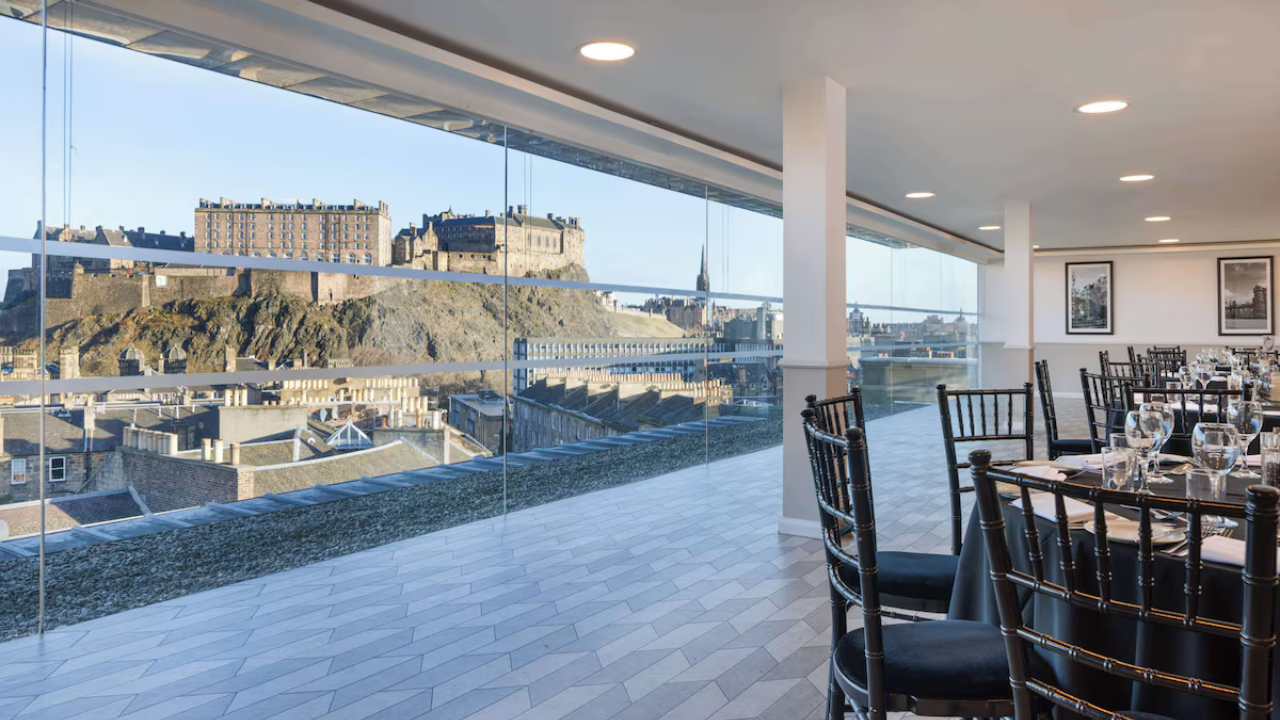
The DoubleTree sits at the western end of the Royal Mile, on Bread Street, ten minutes’ walk from Edinburgh Castle and about the same from the conference and business district. It is unapologetically a business hotel. The rooms have actual desks (a thing that’s becoming rare in modern hotels), real ergonomic chairs, fast Wi-Fi, blackout curtains for the morning calls back to wherever you came from, and bathrooms with the kind of efficient hot showers that make a 7am check-out tolerable.
What lifts it above the average city-centre Hilton is the rooftop bar. Fourth-floor terrace, panoramic view across the Old Town rooftops to the castle, and a cocktail list that’s better than it has any right to be. I’ve spent two work trips here, both times intending to “just do email” and both times ending up at that bar by 6pm watching the light change on the castle stone. The chain hospitality is unfailing: warm cookies at check-in, which sounds like a gimmick until you’ve landed at Edinburgh airport on a 6am flight from anywhere and someone hands you a fresh cookie. Bistro 33 downstairs handles breakfast competently and dinner adequately. You don’t come here for the food.
Where it sits in the Edinburgh hotel market: this is a reliable upper mid-range pick when you don’t want to gamble. Rates typically run £150 to £220 per night in shoulder season, climbing higher during Fringe and Hogmanay. Book a Castle View room if available. It’s worth the small premium.
9. Ibis Edinburgh Royal Mile - The Budget Pick That Doesn't Embarrass Itself
The fact that Ibis built a hotel directly on the Royal Mile is one of the genuine bargains in Scottish hospitality. You are inside the postcard. The lobby opens onto Hunter Square, two minutes’ walk from the Tron Kirk, four minutes from St Giles’ Cathedral, fifteen minutes from Edinburgh Castle in one direction and the Palace of Holyroodhouse in the other. For most of the year, rooms here run under £125 a night. For Edinburgh, that’s an outright steal.
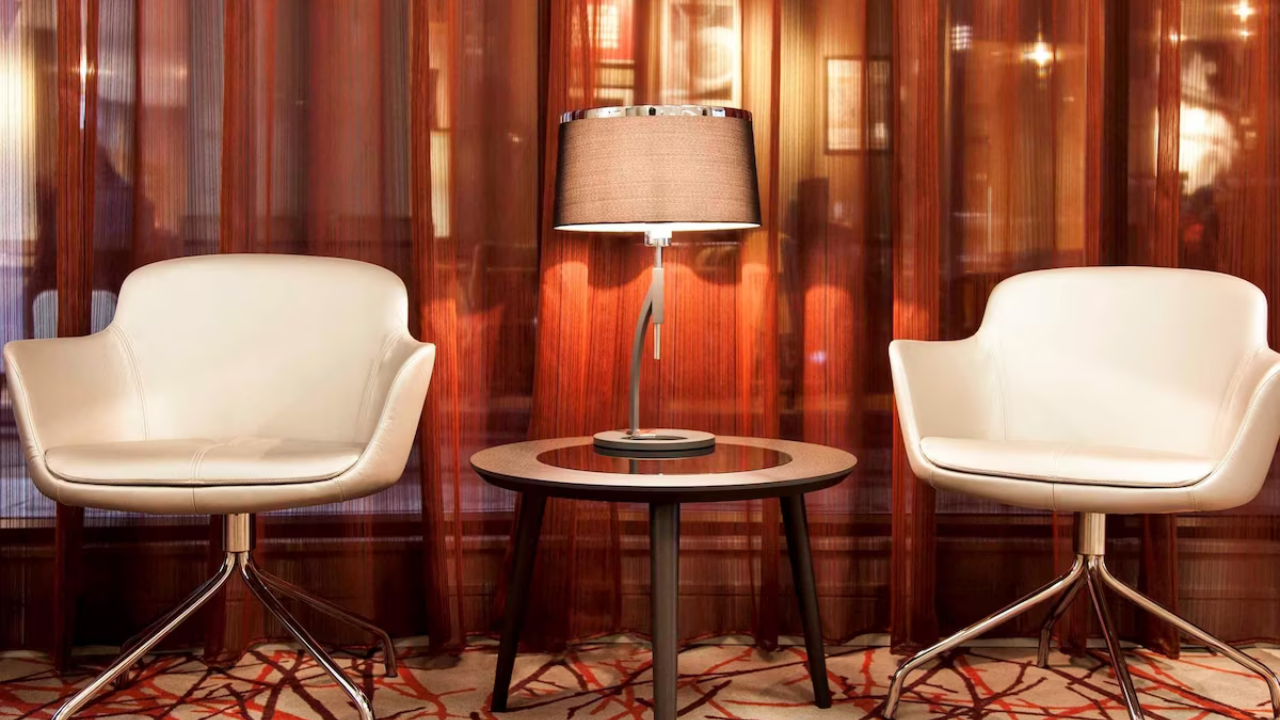
The rooms are compact in the way Ibis rooms always are. A double bed, a small desk, a clean modern bathroom with a shower, blackout curtains, free Wi-Fi, decent air conditioning in summer, decent heating in winter. There’s no sea view because Edinburgh has no sea view here. What there is, in some of the rooms, is a window facing directly onto the Royal Mile, which means you wake up to one of the most famous streets in Britain and can sit by the window watching the city set up for the day. The bar in the lobby runs 24 hours and serves drinks, simple snacks, and breakfast pastries.
A note on the catch: Ibis Edinburgh Royal Mile is so well-located that it books out fast, particularly in summer. If you can’t get this one, the Ibis Styles Edinburgh Centre St Andrew Square is a useful backup in New Town with similar pricing and a slightly better aesthetic.
8. Fingal Luxury Floating Hotel - The One That Doesn't Have a Reasonable Comparable
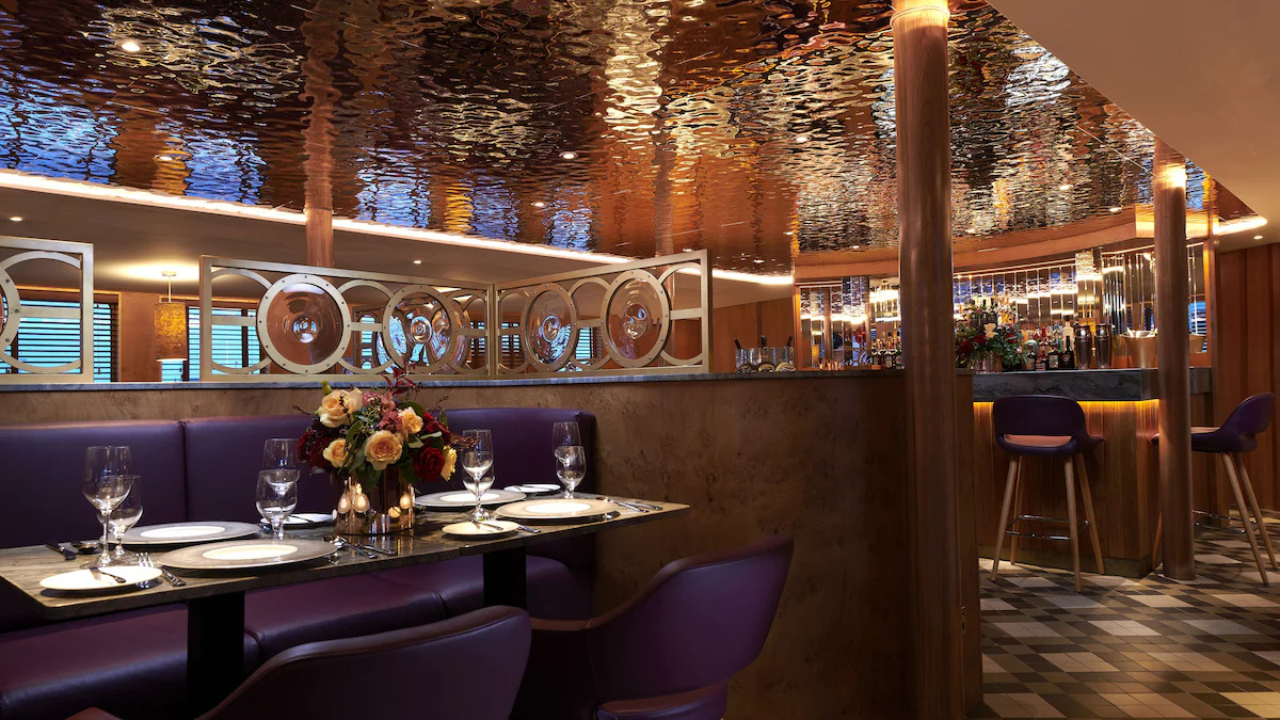
The Fingal is not a hotel that floats. It’s a former Northern Lighthouse Board vessel, decommissioned in 2000, that the family behind the Royal Yacht Britannia bought, restored over three years, and reopened in 2019 as a permanently moored boutique hotel in the Port of Leith. It has twenty-three cabins. Every one of them is named after a Stevenson lighthouse. The interiors are art deco-leaning, all polished brass and dark wood, with portholes for windows in the lower-deck cabins and floor-to-ceiling glass in the upper-deck suites that look out across the harbor.
I had an awkward conversation with friends who asked whether it actually feels like a hotel or like a gimmick, and my answer was: it feels like neither. It feels like an ocean liner from 1932 that has been preserved in working condition and which someone has very thoughtfully outfitted with proper modern beds and proper modern plumbing. The crew (and they do call themselves crew) wear actual ship uniforms. Breakfast is served on the Lighthouse Bar deck with a view of the masts of the Britannia next door. Dinner at the Lighthouse Bar & Restaurant takes itself seriously, sourced largely from Scottish producers, and a Saturday night booking should be reserved well in advance.
Leith is a 15-minute taxi to the city center or a quick bus ride. You don’t stay at the Fingal to be central. You stay at the Fingal because you’d like to wake up on a ship and have it not be a gimmick. Rates start around £400 per night and climb fast for the upper-deck suites. Book it for an anniversary, a milestone birthday, or a stay where the hotel itself is the point of the trip.
7. Braid Hills Hotel - The Quiet One
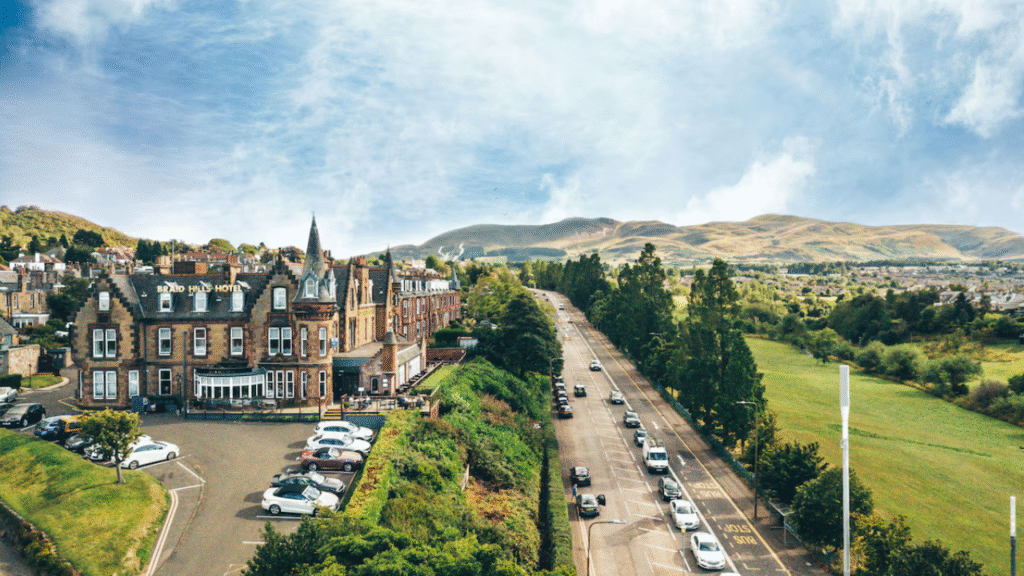
A confession: I almost left Braid Hills off this list, because if you’re in Edinburgh for two or three nights and want to see the city, you’d probably rather stay somewhere central. But I keep recommending it to a particular kind of traveler (older couples on longer stays, walkers who want the Pentland Hills accessible, anyone who’s been to Edinburgh before and now wants to actually breathe), so it stays in.
The hotel is a Victorian sandstone building on Braid Road, in the leafy southern suburbs about 15 minutes by car from the city center or a 25-minute bus ride. The setting is the reason you book here. Bay windows look across to the city skyline with Arthur’s Seat in the middle distance and the Forth beyond it on a clear day. The hotel garden runs out toward the Braid Hills themselves, which are a proper hill walk, not a city park. Inside, the rooms are traditional Scottish hotel rather than designer hotel: tartan accents, decent beds, classic Victorian proportions, no surprises in either direction. The restaurant does a competent Scottish menu (the haggis, neeps and tatties is honest), and breakfast is included in most rates.
What you give up: walking access to anything. Most guests have a car or use the 15 and 16 buses, which run frequently into the center. What you gain: free parking, which is genuinely useful in a city where central parking can cost £40 a day, and the quietest sleep you’ll get in Edinburgh.
Rates are gentle, often £100 to £150 a night even in summer.
6. Cheval Old Town Chambers - The One That Beats Every Algorithm
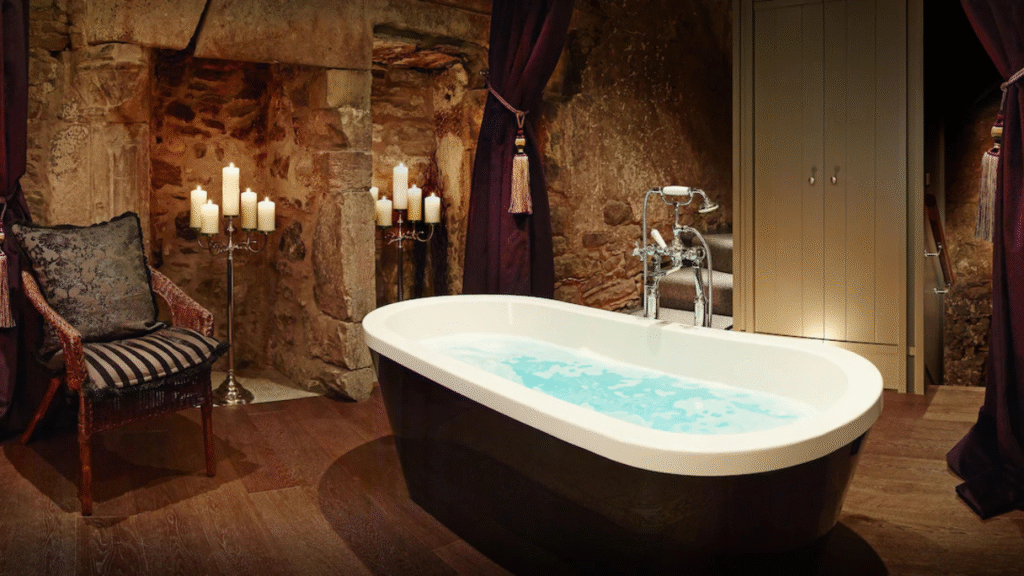
Cheval Old Town Chambers occupies a series of converted historic buildings tucked just off the Royal Mile, accessed through a small entrance that you’ll walk past three times before finding it. This is half the charm. The other half is what’s inside. The “rooms” are serviced apartments, 50 of them, ranging from studios up through three-bedroom suites, each one distinct because the underlying buildings are different periods. Exposed stone walls, beamed ceilings, working fireplaces in some, proper kitchens, rainfall showers, and the kind of quiet that comes from being set back behind the bustle of the main street.
I stayed in a one-bedroom suite for a long weekend and didn’t want to leave. It had its own little hallway, a sitting room with a fireplace, a kitchen good enough to actually cook in, a bedroom with a real walk-in closet, and a bathroom that someone had thought hard about. None of this is hotel-shaped. It’s apartment-shaped, and the difference matters when you stay more than two nights.
What you give up by booking here: there’s no restaurant, no spa, no bar, no concierge desk in the lobby sense. What you get is a concierge service that handles everything you’d ask of one (restaurant bookings, theatre tickets, taxis), but operates more like a personal assistant than a front desk. Cheval consistently rates among the highest-reviewed accommodations in Edinburgh across every booking platform, and once you’ve stayed there you understand why.
Rates run around £250 to £450 per night for the standard categories, climbing to £700 plus for the larger suites. For longer stays it’s competitive against the luxury hotels because you have a kitchen and you eat at home some nights. Excellent for families, for couples on a week-long visit, and for anyone who reacts badly to the noise of a normal hotel corridor.
5. The Balmoral Hotel - The One With the Clock
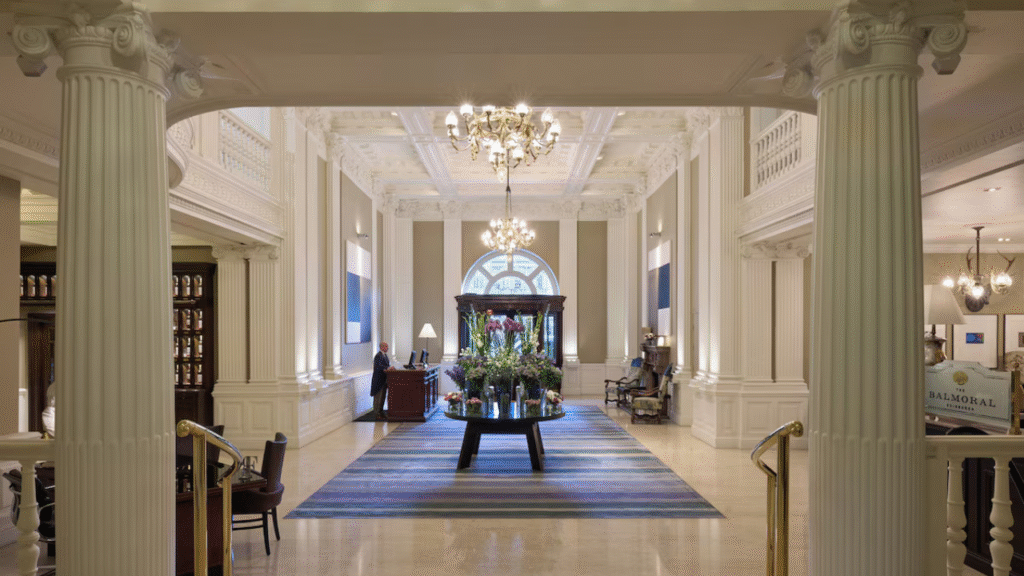
It’s 3 minutes fast, the clock on the Balmoral tower, and has been since 1902, set deliberately ahead so that travelers running for trains at Edinburgh Waverley below would catch them. The hotel itself opened in 1902 as the North British Hotel, was renamed the Balmoral in 1991, and has since hosted, among others, the Queen, every visiting US president since George W. Bush, and the woman who wrote the last word of Harry Potter and the Deathly Hallows in a suite that the hotel has preserved more or less as she left it. (Room 552, if you’re booking, now called the J.K. Rowling Suite, runs north of £1,500 a night.)
You don’t stay at the Balmoral for the room categories or the spa, though both are excellent. You stay at the Balmoral because the building is the Balmoral, and walking through the lobby is to walk through a piece of Edinburgh that very few hotels in any city offer anymore. Tartan carpets, doormen in kilts, a tea salon that does proper afternoon tea with three tiers and a piano that’s actually being played by a person. The Number One restaurant holds a Michelin star and is worth the considerable expense if you’re already in this building. The spa downstairs is a proper Scottish-themed wellness operation with a 15-metre pool, a hammam, and treatments that lean on the Highlands more than the Mediterranean.
Rates start around £400 in deep winter and climb steadily through the year to £700 to £900 in summer high season, with suites well into four figures. Whether the Balmoral is worth this kind of money depends entirely on whether the hotel-as-experience matters to you. For some travelers, the answer is unambiguous yes. For others, the Kimpton on Charlotte Square offers as much luxury for less money, and the Witchery (the small dramatic boutique tucked beside the castle, which is worth knowing about as a more atmospheric alternative if the Balmoral feels too grand) offers a different version of the iconic stay. But none of them are the Balmoral.
4. Apex Grassmarket Hotel - The View
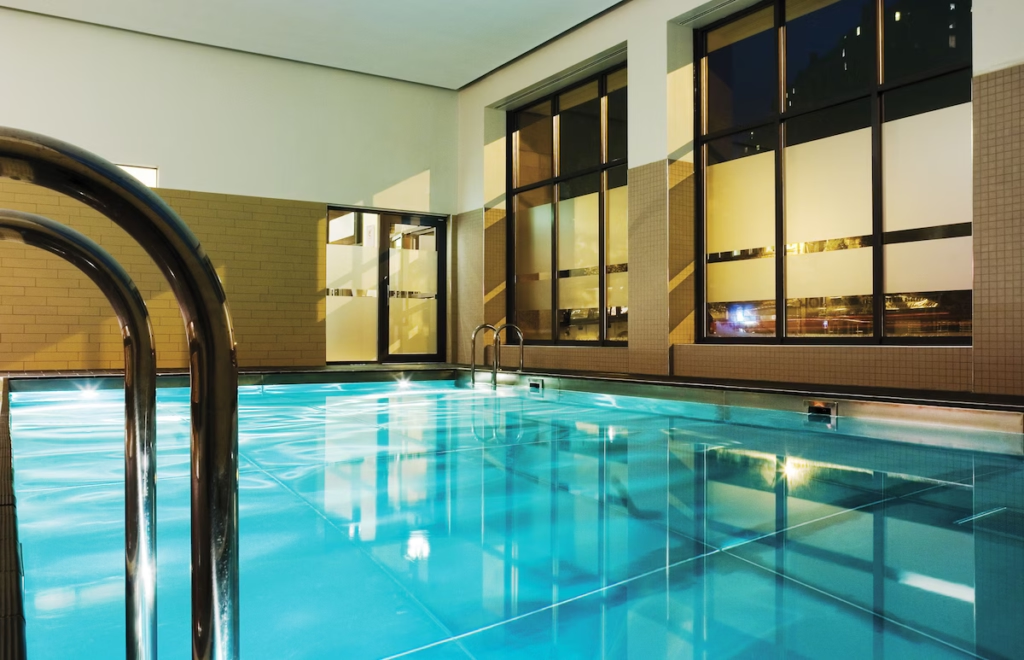
Some hotels earn their position by what they do inside. Apex Grassmarket earns its position by what’s outside the window. From the upper-floor Castle View rooms, Edinburgh Castle is right there, filling the frame, close enough that you can see the wall stones on a clear morning. It’s the kind of view that’s easy to underrate from a thumbnail photo and impossible to overstate once you’re in the room. The light at dusk turns the stone pink. The morning fog occasionally rolls in below the castle and leaves it floating. You will spend more time sitting on your bed looking at the window than you planned to.
The hotel itself is solid modern four-star. Contemporary rooms, comfortable beds, smart TVs, decent toiletries, and a small but actual indoor pool (a genuine rarity in central Edinburgh hotels). The on-site restaurant, Heights, runs a panoramic-view dining room on the top floor that’s worth booking even if you’re not staying here. The gym is properly equipped. The location puts you in the Grassmarket itself, which is the wide cobbled square below the castle that runs the gauntlet of pubs and restaurants every evening, lively but rarely overwhelming.
A specific note: when booking, the room category matters more than usual. Standard rooms have city or courtyard views. Castle View rooms cost £50 to £100 more. Pay the extra. If you’re not getting the view, this hotel becomes ordinary; if you are getting the view, it becomes one of the most memorable city stays in Britain.
Rates for Castle View rooms typically run £200 to £350 in shoulder season, more during peak.
3. Cheval The Edinburgh Grand - The Bank Building
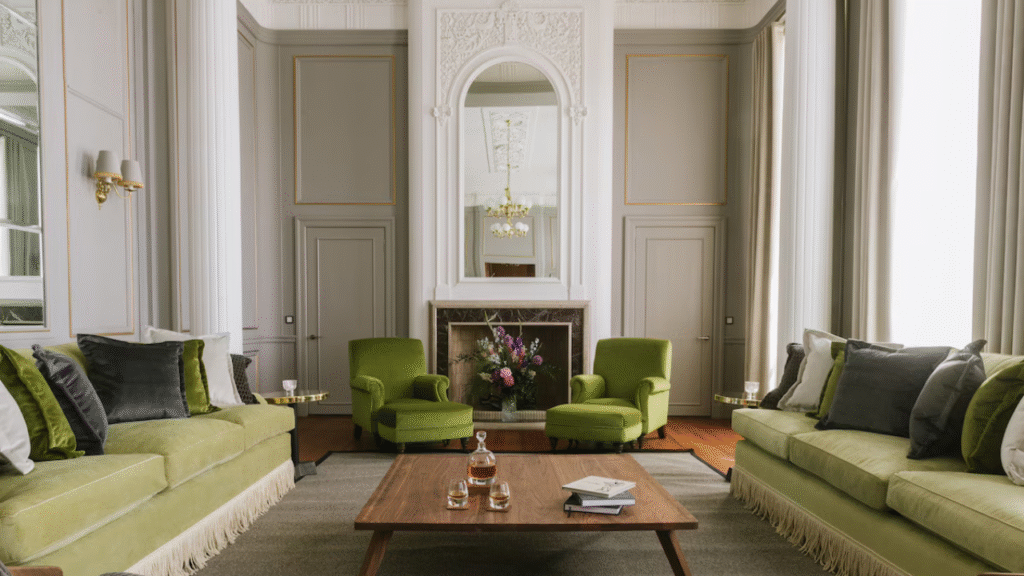
The building was the headquarters of the Royal Bank of Scotland from 1942 until 2014, after which it sat empty for several years before Cheval converted it into a 50-suite serviced apartment complex. The exterior is Beaux-Arts grandeur, with pillars, dome, the lot, and the interior preserves the bank vault doors, the marble banking hall (now a private dining room you can book), and the original brass and walnut detailing throughout.
This is Cheval Old Town Chambers’ bigger, more dramatic sibling. The suites here are larger on average, the building itself more imposing, and the location very different: this is the heart of New Town, on St Andrew Square, surrounded by the designer shopping of George Street and steps from Princes Street. The standard one-bedroom suites are around 60 square metres, with separate sitting areas, fitted kitchens, marble bathrooms, and floor-to-ceiling windows looking out across the square or back into the building’s central atrium. The Penthouse suite has its own private wraparound terrace with a 360-degree view of Edinburgh that genuinely stops people in their tracks.
The ground floor houses Hawksmoor, the steakhouse chain’s flagship Edinburgh location, and The Register Club, a glamorous cocktail bar in what was formerly the bank’s safe deposit vault. Both are good. You don’t have to stay here to eat or drink at either.
Where this slots into the Edinburgh market: if you want the best of New Town and you’re staying three nights or more, this is the right pick. If you’re staying one or two nights, the Kimpton next door does the New Town luxury experience as a hotel rather than an aparthotel and may suit you better. Rates start around £400 a night and climb steeply for larger suites.
2. Kimpton Charlotte Square - The New Town Flagship
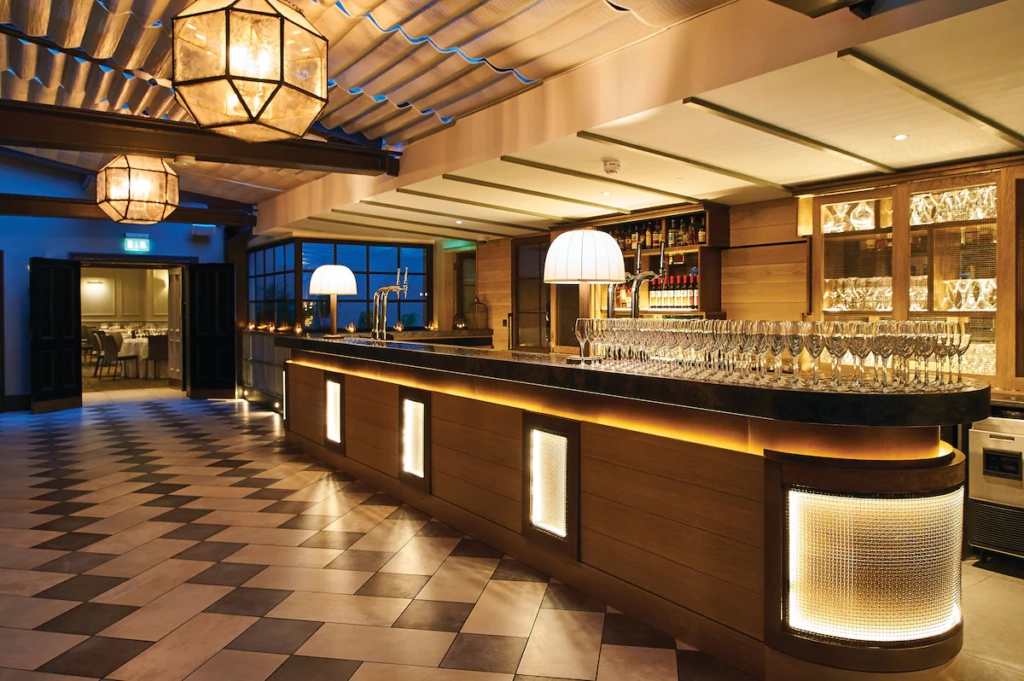
I have a soft spot for the Kimpton. The building wraps around the corner of Charlotte Square (which Robert Adam designed in 1791, and which is still one of the most architecturally significant Georgian squares in Europe), the rooms are bold and stylish in a way most luxury hotels chicken out of, and the Garden (the glass-roofed inner courtyard bar) is one of the genuinely best places to have a drink in Edinburgh on any night of the year.
The rooms lean into colour. Layered fabrics, statement headboards, rich greens and blues against the original Georgian bones of the building. The standard rooms are surprisingly spacious by Edinburgh standards. Nespresso machines, branded toiletries, in-room yoga mats (a Kimpton signature touch), and the kind of small luxuries that make a difference on a longer stay. The spa is proper. Indoor heated pool, sauna, steam room, treatment rooms, and a wellness menu that goes beyond the usual hotel-spa script.
Dining is split between BABA, the Levantine-Middle Eastern restaurant on the ground floor that draws as many locals as hotel guests, and the Brasserie, doing French-Scottish for everything else. The Garden bar serves cocktails from late afternoon and is open to non-guests, but somehow always feels like a hotel secret.
What you give up versus the Balmoral: a tiny bit of grandeur, some of the famous-name history, and the Princes Street location. What you gain: a hotel that feels considerably more interesting to stay in, at meaningfully lower prices. Standard rates run £350 to £500 in shoulder season, with suites available for those who want them.
If the Kimpton is sold out (which happens reliably during Fringe and Hogmanay), the next best New Town luxury alternative is The Caledonian (now The Caledonian, A Hilton Curio Collection Hotel) at the other end of Princes Street, which has more dramatic castle views from some rooms but slightly less personality.
1. Virgin Hotels Edinburgh - The Newest Best
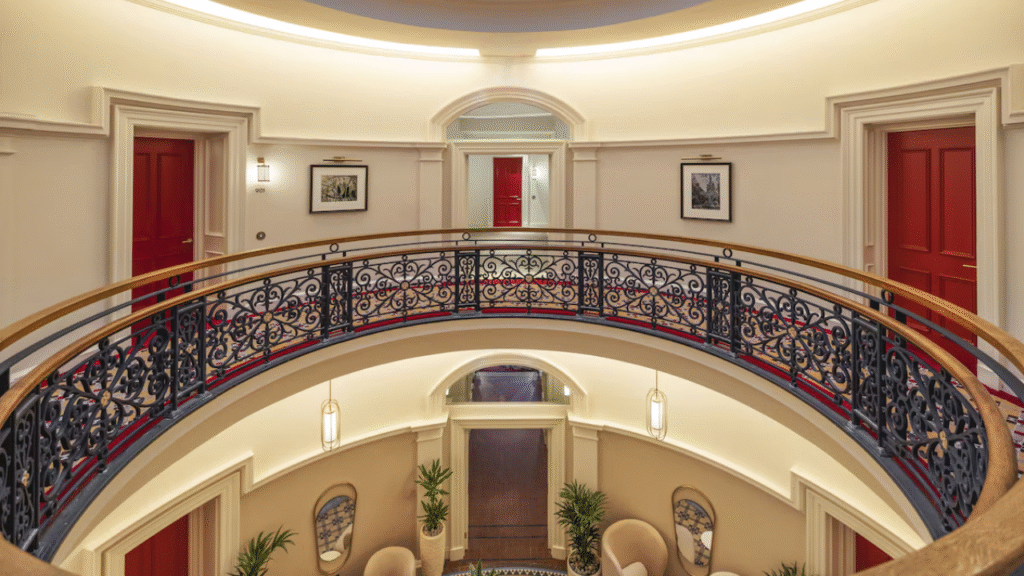
Virgin Hotels Edinburgh opened in 2022 in a row of converted Victorian banking and commercial buildings on India Buildings, immediately off Victoria Street in the Old Town. It is, on every measurable axis, the best hotel that has opened in Edinburgh in the last decade, and quite possibly the best central hotel full stop.
A few things make this work. First, the location is absurd in the best way. You walk out of the lobby and onto Victoria Street, which means you walk out of the lobby and into the bit of Edinburgh that’s on every Instagram feed for the city. The castle is two minutes uphill. The Royal Mile is two minutes the other way. Grassmarket is 30 seconds. Greyfriars Kirkyard (Harry Potter gravestone, the cemetery walks) is five minutes. If you wanted to design the platonic ideal of an Old Town address, you’d design this.
Second, the rooms (called Chambers, in Virgin’s idiom) are properly thought out. Each one has a sliding door that separates the dressing and bathroom area from the bed, which sounds gimmicky and turns out to be the best small innovation I’ve experienced in a hotel room in years. Custom Virgin beds. Decent desk space. Smart TVs that actually work. Big rainfall showers. The aesthetic is contemporary playful without slipping into try-hard.
Third, the restaurant. The Commons Club takes up the ground floor and is a serious operation. Excellent cocktails, a kitchen that knows what it’s doing with both small plates and proper mains, and a vibe that pulls in locals more than most hotel restaurants manage. Eve, the late-night rooftop bar, gives you the panorama from above, which a city this beautiful really benefits from having an excuse to see at night.
Fourth, the service. Virgin Hotels has this thing where the staff are noticeably warmer than the chain hotels and noticeably more relaxed than the luxury hotels, and it lands here. People remember your name. The front desk knows things. The bar staff make eye contact. Small things, but they add up over four nights.
Rates in shoulder season run £250 to £400 for standard Chambers, climbing for the suites. In summer high season expect £450 to £700. The hotel is increasingly booked-out for Fringe at this point, so plan months ahead.
Virgin Hotels Edinburgh is my top pick because it does the most things well at once, in the best location, at a price that’s reasonable for what you get. The Balmoral is more iconic. The Kimpton is more refined. The Fingal is more unique. None of them give you the full all-round experience this hotel does.
A Few Honorable Mentions Worth Knowing
The Edinburgh hotel market is bigger than ten properties, and there are several places worth knowing about as fallback options or as alternatives that suit specific trips better.
The Witchery by the Castle is a tiny, intensely atmospheric boutique with nine suites in a 16th-century townhouse beside the castle entrance, each suite styled like a gothic dream of dark velvets, four-posters, and candles. Often described as the most romantic stay in Britain. If you specifically want drama, book it. Prestonfield House sits in its own grounds in the southern suburbs, with peacocks roaming the lawns and rooms that have entertained Sean Connery, the late Queen, and roughly every Hollywood figure who’s passed through Scotland. Tigerlily on George Street does boutique New Town with a more party-forward atmosphere. Eden Locke on George Street is the design-led aparthotel option for solo travelers and remote workers. The Grassmarket Hotel offers a fun whimsical mid-range stay with Highland-themed decor. The Raeburn in Stockbridge is the best base if you want to stay in that quiet northern pocket. And for Calton Hill, the W Edinburgh opened in 2024 inside the new St James Quarter and provides genuine luxury at the eastern end of New Town if Charlotte Square is booked out.
For travelers on tight budgets who can’t find a reasonable rate in the centre, the Dalkeith Road area south of Old Town has a long row of family-run guesthouses and bed and breakfasts that consistently undercut central hotel prices by 30 to 50 percent. Most are walkable to Holyrood Park and a 20-minute walk or short bus ride to the Royal Mile. Stay there if you’d rather save the money for the food and the whisky.
What Edinburgh Doesn’t Tell You Until You Arrive
A few honest things about visiting this city that the marketing copy skips.
Edinburgh has weather, in the active sense
It can rain on any day of any month and frequently does. The wind off the Forth in January will physically push you sideways. Summer is mild rather than warm, high teens or low twenties Celsius most days, and the sky changes about every twenty minutes. Pack layers regardless of season. Pack a real waterproof. The locals do.
The hills are real
Edinburgh is built on seven hills (depending on who’s counting), and you will walk up and down them constantly. Comfortable shoes aren’t optional. The Royal Mile slopes from the castle down to Holyrood; Victoria Street curves; The Vennel (the small stairway off Grassmarket with the famous castle view) is exactly what it sounds like. None of this is difficult, but unfit travelers feel it by day three.
The Fringe and August are different from the rest of the year
Edinburgh hosts the largest performing arts festival in the world for the whole of August, which means three things for hotels. Prices double or triple. Availability evaporates by April. And the city itself becomes a different place: noisier, more crowded, more theatrical, more chaotic in the best way. If you’re booking for August, book by February. If you’re avoiding August deliberately, late September, October, and early December are the sweet spots for weather and pricing.
Hogmanay is also a thing
December 30 to January 1 is the Edinburgh New Year celebration, which involves a massive street party, a torchlight procession, and one of the best fireworks displays anywhere. Hotels triple in price for those three nights and book out months ahead. Worth doing once. Worth not doing accidentally.
The airport tram works
Edinburgh Airport (EDI) sits west of the city. The tram from the airport to St Andrew Square in New Town runs every 7 minutes, takes about 35 minutes, costs around £7 for an adult, and drops you within walking distance of most of the hotels in this guide. Skip the £30 taxi unless you have heavy bags. The tram extension to Newhaven also gives you direct access to Leith if you’re staying out that way.
Restaurants book up faster than hotels
If you have your heart set on The Witchery, The Kitchin, Restaurant Martin Wishart, Timberyard, or Number One at the Balmoral, book the table the same day you book the room. The Edinburgh fine-dining scene is small enough that the named restaurants sell out reliably, especially on Friday and Saturday nights. Less precious places that are still excellent: Dishoom on St Andrew Square (no reservations, get there early), Ondine for seafood, Mother India’s Cafe in Old Town, and any of the Tom Kitchin group’s casual outposts.
Public transport is good, but you probably won’t need it
Buses run frequently and are inexpensive. Trams cover the Princes Street axis and out to the airport. Most of what you came for is walkable. You won’t need a rental car unless you’re heading into the Highlands.
Harry Potter sites are pleasant but managed
Victoria Street, The Elephant House (re-opened after a 2021 fire), Greyfriars Kirkyard, and the Balmoral suite are all real and worth seeing if you’re a fan. They’re also predictable, busy, and the Greyfriars graveyard has had to fence off the famous Riddle gravestone because of damage. Go early, manage expectations, enjoy them for what they are.
Common Questions About Staying in Edinburgh
Which area is best for first-time visitors to Edinburgh?
Old Town, specifically the stretch from Grassmarket up through Victoria Street to the Royal Mile. You’re inside the postcard, walking distance to nearly every major sight, and surrounded by the medieval atmosphere that makes Edinburgh feel different from other UK cities. Virgin Hotels Edinburgh, Apex Grassmarket, and Cheval Old Town Chambers all sit in this stretch.
Is New Town or Old Town better?
They serve different trips. Old Town is for atmosphere, history, and walking-distance access to the castle and Royal Mile. New Town is for shopping, refined Georgian architecture, and slightly more breathing room. Most travelers benefit from at least walking through both. If you can’t decide, the Princes Street stretch between them (where The Balmoral sits) gives you both worlds.
Where should you stay in Edinburgh for the Fringe?
Old Town puts you in the middle of the action, which is the point of being there during August. New Town is a calmer base with quick walks to the venues. Avoid the suburbs in August unless you specifically want to escape the chaos at night. Book by March or April at the latest.
Where should you stay in Edinburgh on a budget?
The Ibis Edinburgh Royal Mile is the best central budget option in the city. If that’s full, the Dalkeith Road area south of Old Town has a strip of family-run B&Bs that consistently undercut hotels by 30 to 50 percent. Travelodge and Premier Inn also have central locations at predictable pricing.
Is Edinburgh walkable?
Yes, comprehensively. Nearly everything tourists visit sits within a 30-minute walking radius of the Royal Mile, with most of it within 15 minutes. The catch is the hills. Comfortable shoes are essential. Locals walk constantly; visitors usually do too once they’re a day in.
Do I need a car in Edinburgh?
No, and you probably don’t want one. Central parking is expensive (£30 to £45 a day), traffic is constrained by the medieval street pattern, and everything you came for is walkable or a short bus or tram ride away. Hire a car only if you’re driving into the Highlands afterward.
When is the best time to visit Edinburgh?
Late April through June and September through early October are the best windows for weather and price. August is the most dramatic time to be in the city (Fringe Festival) but the most expensive and crowded. November and February are the cheapest months but also the rainiest. December has Christmas markets and Hogmanay if you want winter atmosphere.
Where is the best view of Edinburgh Castle from a hotel?
Apex Grassmarket has the closest direct castle view from its Castle View rooms. The Balmoral has dramatic Castle and Old Town panoramas from upper-floor suites. The Apex Waterloo Place and the Kimpton both offer partial views from select rooms. For a public view, climb Calton Hill at sunset.
Is Leith worth staying in?
Yes, if you prioritize food and quiet over walking access to the major sights. Leith has the best restaurant scene in Edinburgh (The Kitchin, Restaurant Martin Wishart, Heron, Ostara, Eleanore), the Royal Yacht Britannia, the Water of Leith walkway, and a couple of distinctive hotels including the Fingal. Buses and trams run constantly into the centre.
Are there hotels with views of Arthur’s Seat?
Several. The Braid Hills Hotel has the classic distant panorama. The Kimpton’s upper rooms and the Apex Waterloo Place catch parts of it. For the close-up view, look at the Macdonald Holyrood Hotel on Holyrood Road or any hotel along the southern fringe of Old Town. For the active version, climb it. It’s a 45-minute walk from the bottom of the Royal Mile.
What’s the most romantic hotel in Edinburgh?
The Witchery by the Castle (small, dramatic, gothic, candle-lit), Prestonfield House (peacocks on the lawn, in its own grounds, full Highland luxury), or the Fingal (the ship element makes it genuinely unusual). All three are properly romantic in different ways.
A Final Thought
Edinburgh rewards a certain kind of attention. The city is small enough that you can feel like you’ve seen it in a long weekend and large enough that you’ll be wrong. The hotels above are the field-tested ten that earn their place at every tier, but the city has plenty more, and the locals’ favorites change year to year as new openings shake out the established names.
If you have to pick one to start with, pick Virgin Hotels Edinburgh. If you want the iconic Edinburgh experience, pick the Balmoral. If you’re celebrating something special, pick the Fingal. If you have a family, pick Cheval Old Town Chambers. If you have a budget, pick the Ibis on the Royal Mile and spend what you saved on dinner.
Book early for Fringe and Hogmanay. Pack a waterproof. Wear comfortable shoes. Take the tram from the airport. The rest will sort itself out the moment you step out onto the cobbles.