Skip to content Skip to sidebar Skip to footer

What Is There to Do in Iceland? Best Things to Do and See

Iceland is nicknamed the “Land of Fire and Ice”. It’s this place that’s kind has been formed by glaciers, plus volcanic action and everything going on at the same time, with geysers, hot springs, and scenes only seen in movies. No matter when you go, there’s usually some outdoor adventure waiting, even if you didn’t plan for it.

The smartest way to answer “What is there to do in Iceland?” is to stop thinking of Iceland as one destination.  Iceland feels best when the itinerary is flexible. From far away the country seems pretty simple when you only list attractions.

But once you start adding real weather, daylight, winter road conditions, tour departure times, hotel locations, and even the cost of moving from one point to the next, it gets a lot less forgiving. 

Two spots can look close on a screen and still take more time than expected. A “must see” stop might be awesome, but still end up being a rough fit for your route. A paid excursion can be really great in the right months, and then somehow become a total money drain in the wrong ones.

So, the question shouldn’t only be “ What is there to do in Iceland?” The better one is more like, what is worth doing for your specific trip, the one that matches your timing, your comfort level and your actual route.

Best Iceland Things to Do by Trip Style

Experience Best for Time needed The catch
Golden Circle First-timers, short breaks, no-car travelers 1 day Busy, especially in peak season
Reykjavík Food, museums, first night, bad-weather buffer Half day to 1 day Expensive for what many visitors use it for
South Coast to Vík Waterfalls, black sand, easy road trip drama 1 to 2 days Wind and rain change the mood fast
Reynisfjara Black sand beaches and photography 1 to 2 hours Sneaker waves make it one of Iceland's most dangerous beaches
Jökulsárlón and Diamond Beach Glacier scenery, photography, longer trips 2 days from Reykjavík Too far for a relaxed day trip
Glacier Hike or Ice Cave Adventure travelers and guided excursions Half day Seasonal access and weather cancellations are common
Blue Lagoon or Sky Lagoon Geothermal bathing, arrival or departure day 2 to 4 hours Price and crowd levels can feel heavy
Northern Lights Winter travelers and photographers Several evenings Never guaranteed, even in good season
Silfra Snorkeling Unique experiences and underwater visibility 3 to 5 hours Cold-water drysuits are not for everyone
Whale Watching Wildlife lovers and summer visitors 2 to 4 hours Wildlife sightings vary by season and conditions
North Iceland Whale watching, Mývatn, fewer crowds 2 to 4 days Better with more time or a flight
Snæfellsnes Slow road trip, west-coast scenery 1 to 2 days Weather can flatten the views

1. Drive or tour the Golden Circle

Drive or tour the Golden Circle - what to do in iceland

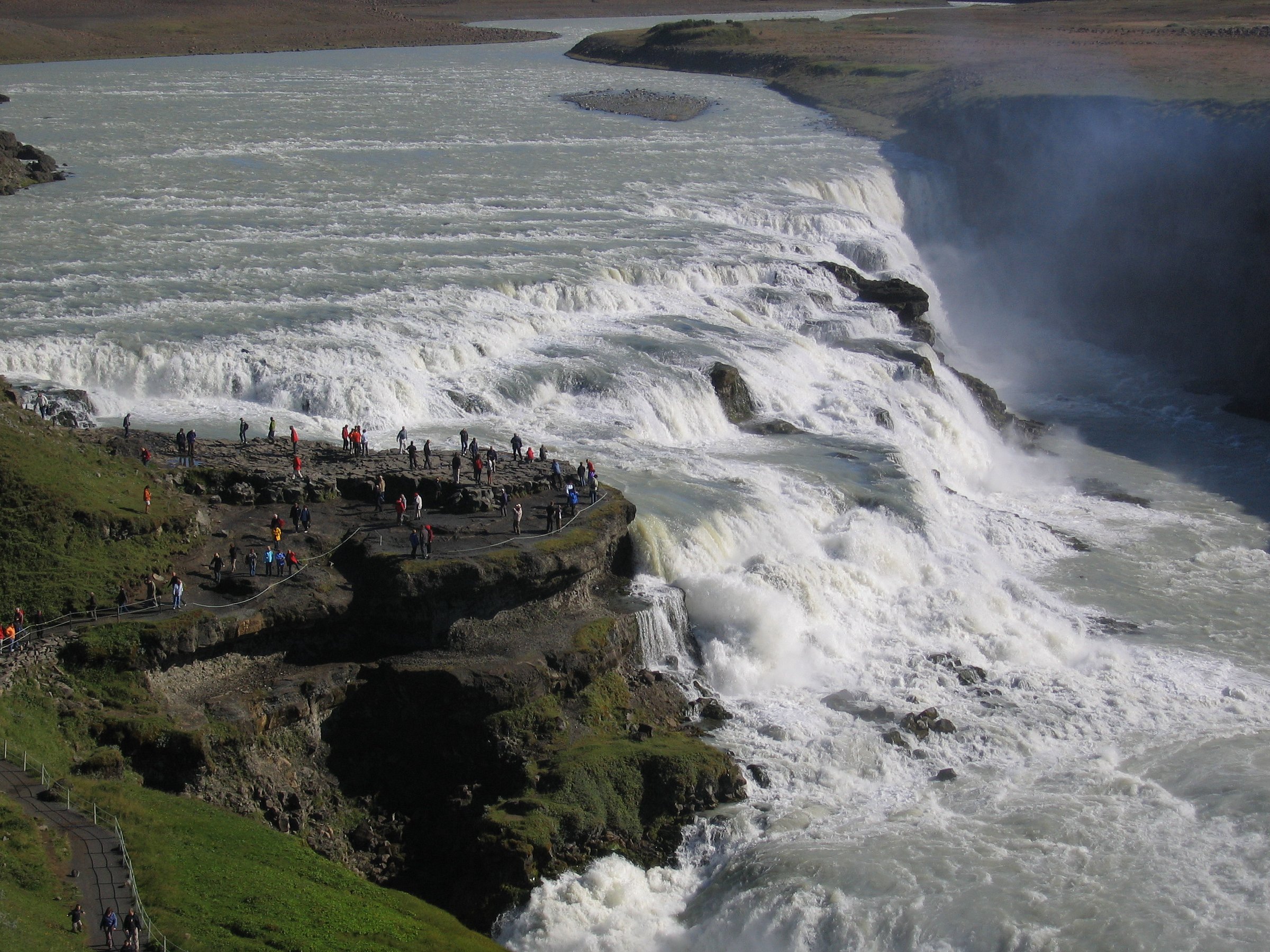
The Golden Circle is famous for solving a real planning problem. It lets first-timers see Icelandic history, geothermal activity, and a major waterfall in one manageable day from Reykjavík.

Start at Þingvellir if you want the day to build well. The main walking paths are easy, and the visitor center gives useful context that rushed group tours can miss. The setting does a lot of the work: rifts, cliffs, lake views, and a wide walk through Almannagjá.

It’s important to pay more attention to parking here. Þingvellir’s official parking service lists a rate of 1,000 ISK for a passenger car with five or fewer seats, valid for the day across the main park lots. P1 at Hakið is the upper visitor center lot and works best if you want to start at the top of Almannagjá. P5 at Valhöll is closest to Þingvellir Church and Silfra. The payment system at Hakið uses license-plate cameras, so this is not a casual coin-in-the-meter stop.

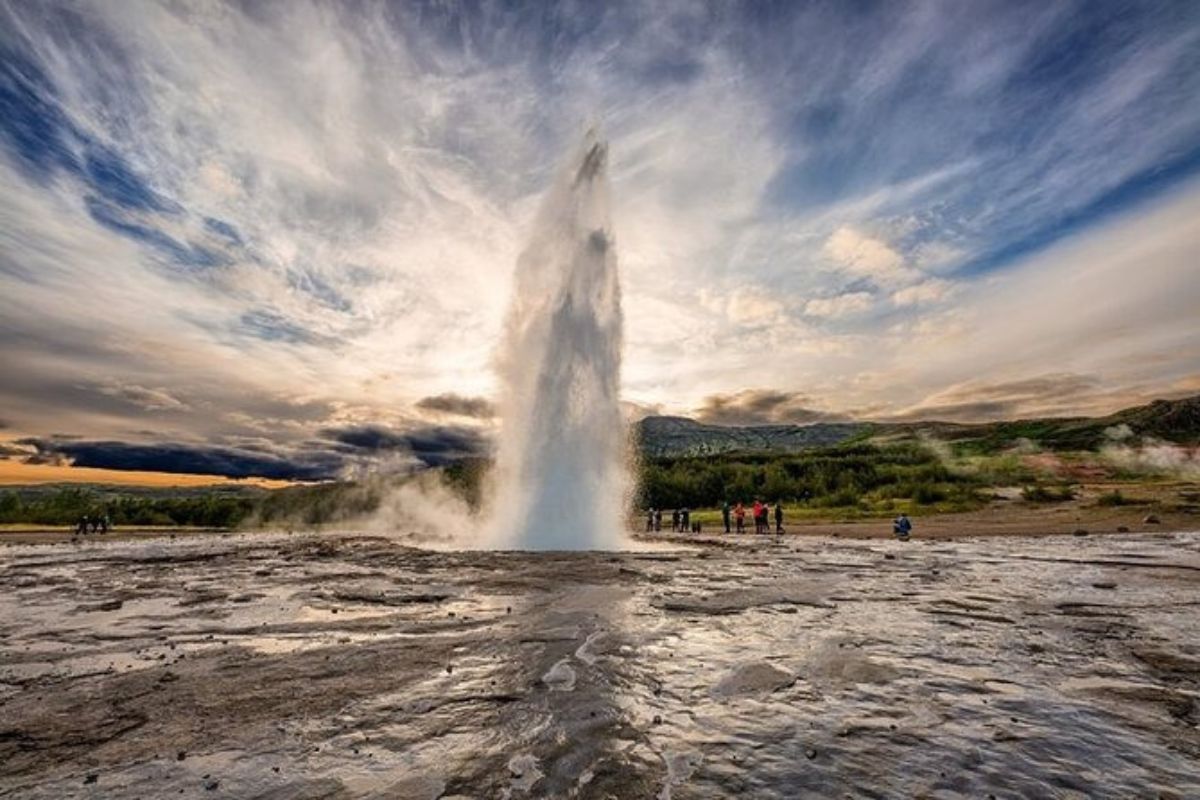
Geysir feels alive, with active volcanoes. Strokkur is the reliable part, erupting about every 6 to 10 minutes. Most eruptions throw boiling water roughly 15–20 meters up, though occasionally it goes higher. The part people actually remember is that pause before it blows: the blue pool swells, the surface tightens up, the sulfur just hangs in the air, and everybody just wants to capture the moment.

Where to stay for the Golden Circle

Hotel Geysir - what to do in iceland

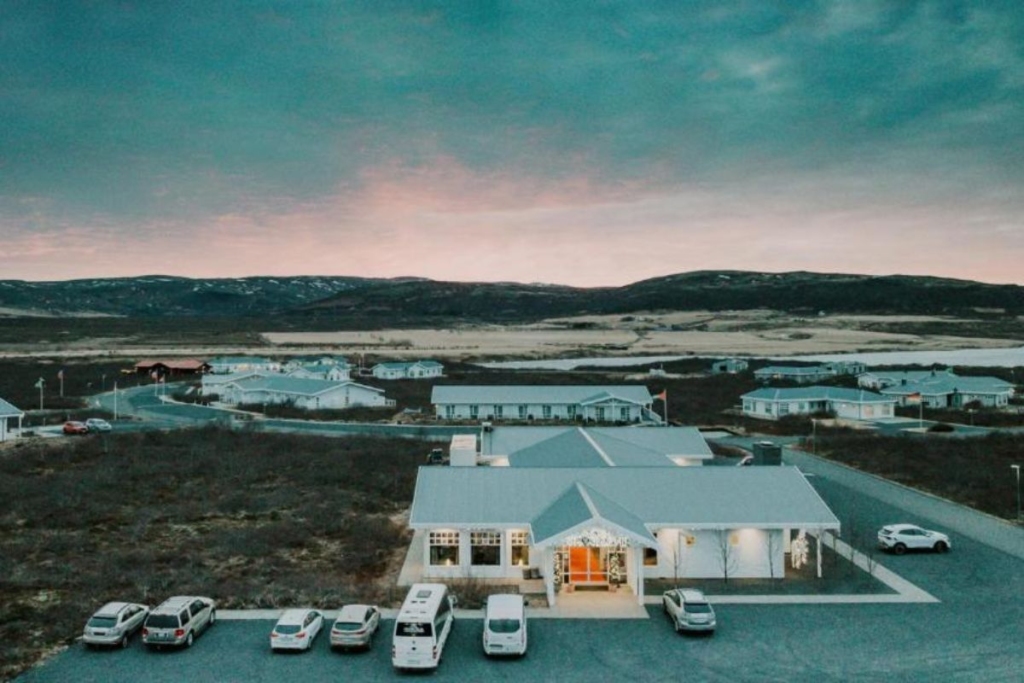
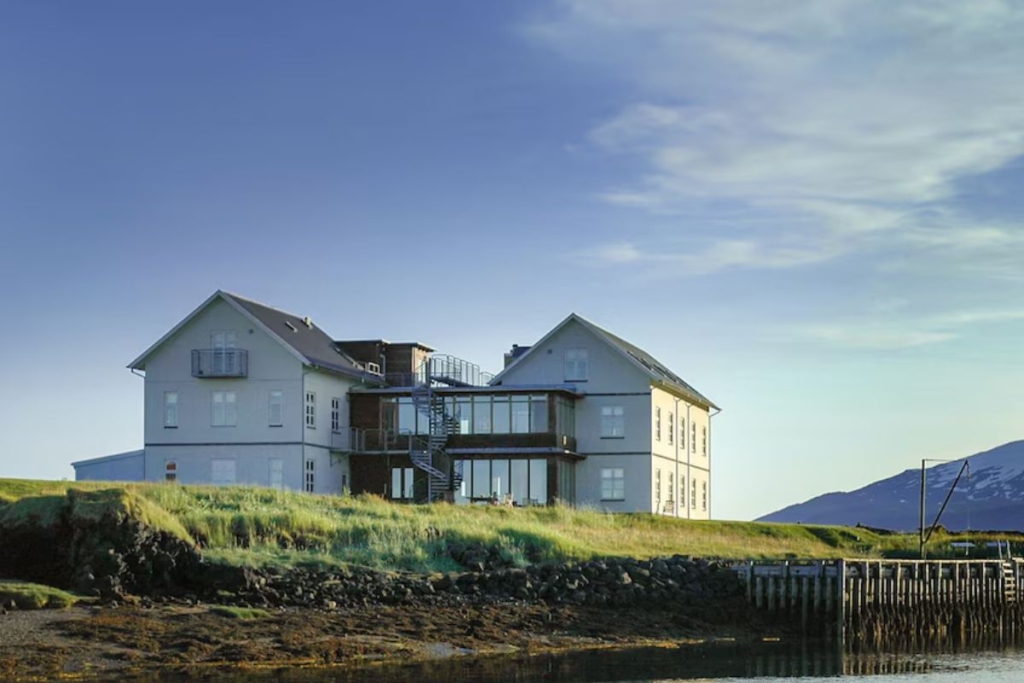
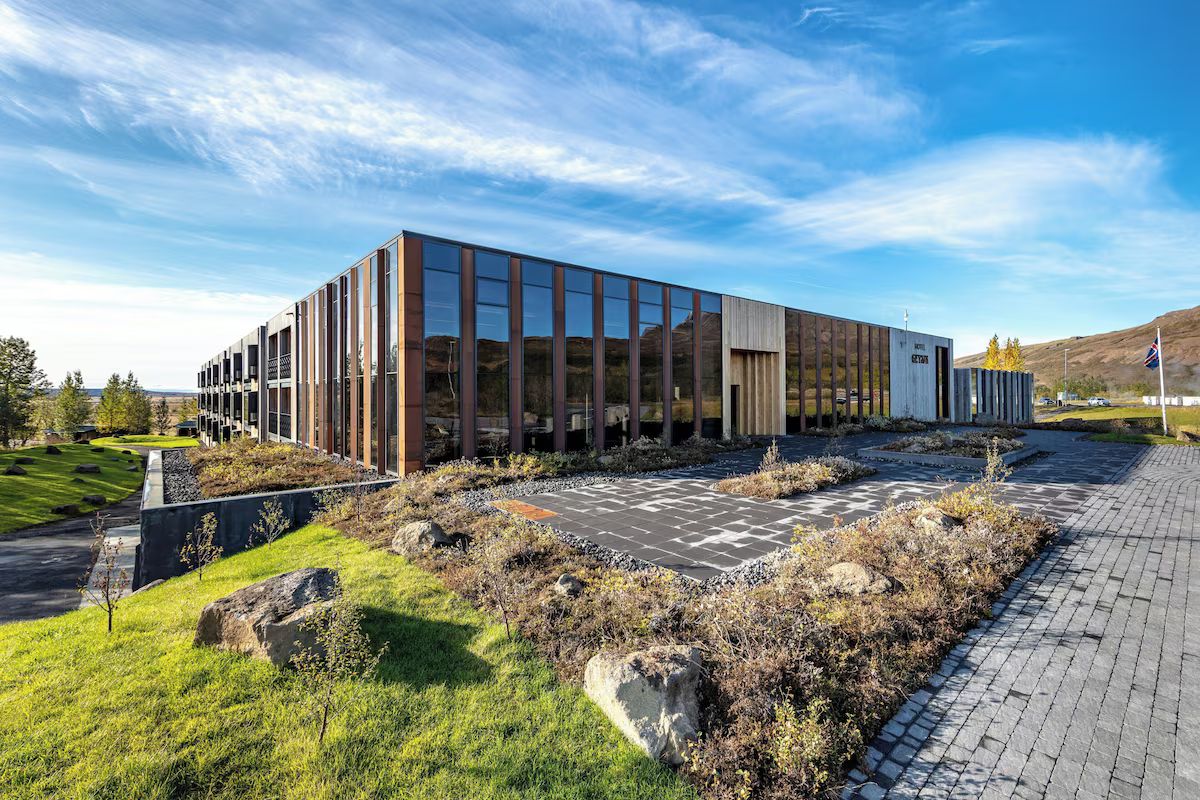
If you want the Golden Circle to stop feeling like a day-trip loop, try sleeping beside Geysir. Hótel Geysir puts you about 500 meters from the geothermal zone and roughly 9 km from Gullfoss, so the timing thing starts working for you a bit. 

The hotel has 77 rooms and 6 suites, plus breakfast, parking, restaurants, and little cafés on site.
golden circle hotel iceland rooms

For budgeting, plan about 30,000 to 40,000 ISK for live tasting samples, with the stronger dates likely to climb. You’re paying to cut out the backtracking, not to really save money.
2. Spend a Day in Reykjavík Before the Road Trip Starts

Spend a Day in Reykjavík Before the Road Trip Starts - iceland things to do

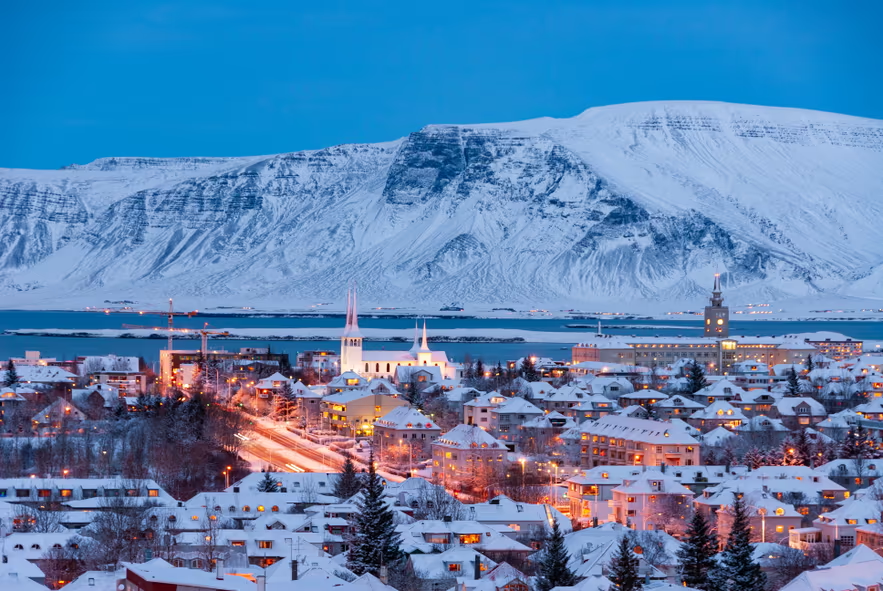
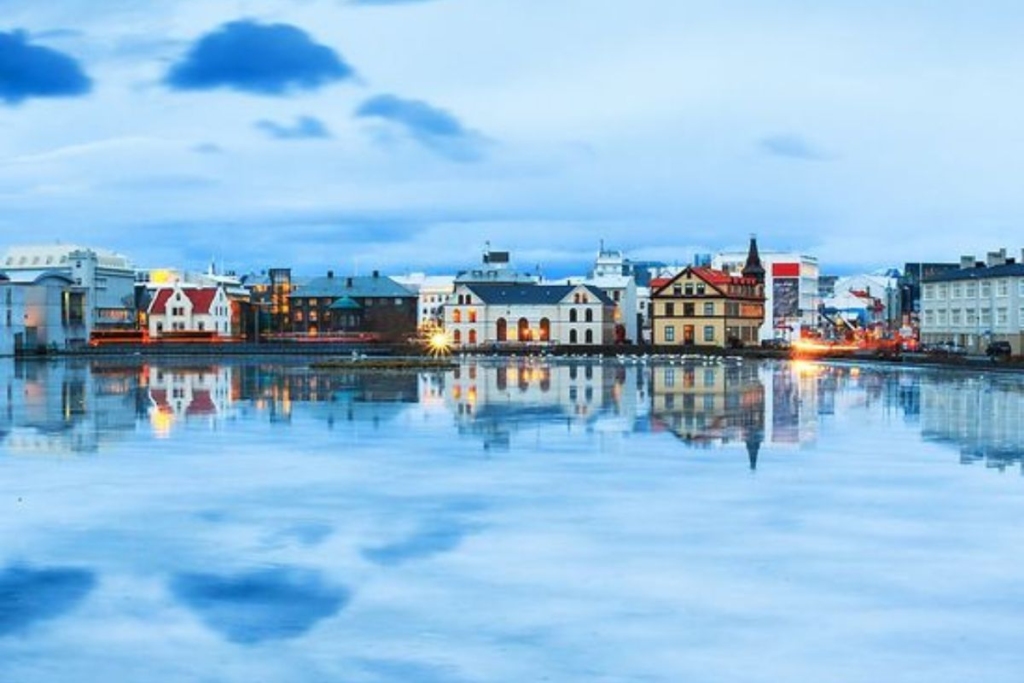
Reykjavík is not the reason most people fly to Iceland, but skipping it completely can be a mistake. It gives you a softer first day after Keflavík, and a useful way to understand the country before you start chasing waterfalls.

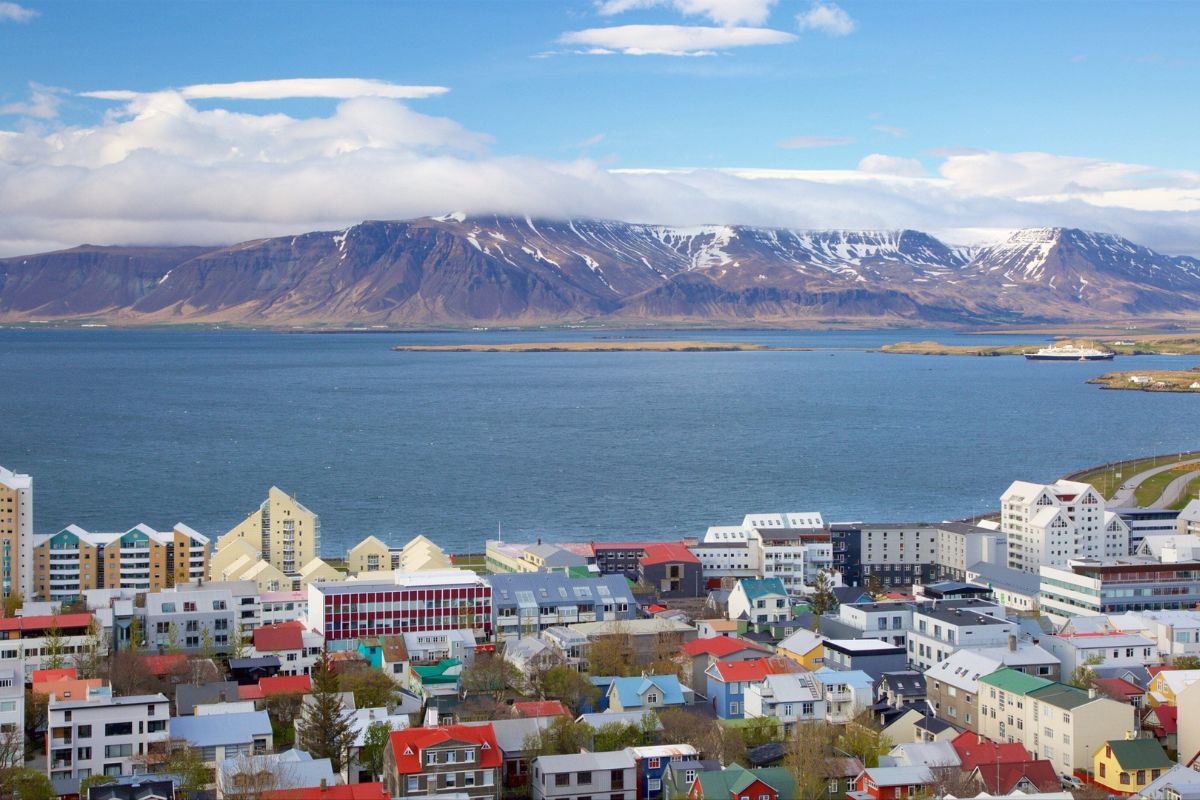
Hallgrímskirkja is the easiest city viewpoint, and the tower lift gives the clearest “where am I?” moment in Reykjavík. The church’s own site lists adult tower tickets at 1,500 ISK, and children ages 7 to 16 pay 200 ISK. Up there, you catch the colored rooftops, the harbor, Mount Esja, plus those tight little old-town lanes that are hard to make out from down on street level in the first place.​

reykjavik-iceland what to do

Also, parking in Reykjavík needs more attention than most first-time visitors think. The city uses four tariff zones: P1, P2, P3, and P4. P1 is the most central zone, at 660 ISK per hour with a 3-hour limit. P2 is 240 ISK per hour. P3 starts at 240 ISK per hour for the first two hours, then drops to 70 ISK per hour after that. P4 is 240 ISK per hour on weekdays during its charging times.
Where to stay in Reykjavík

Exeter Hotel - iceland things to do

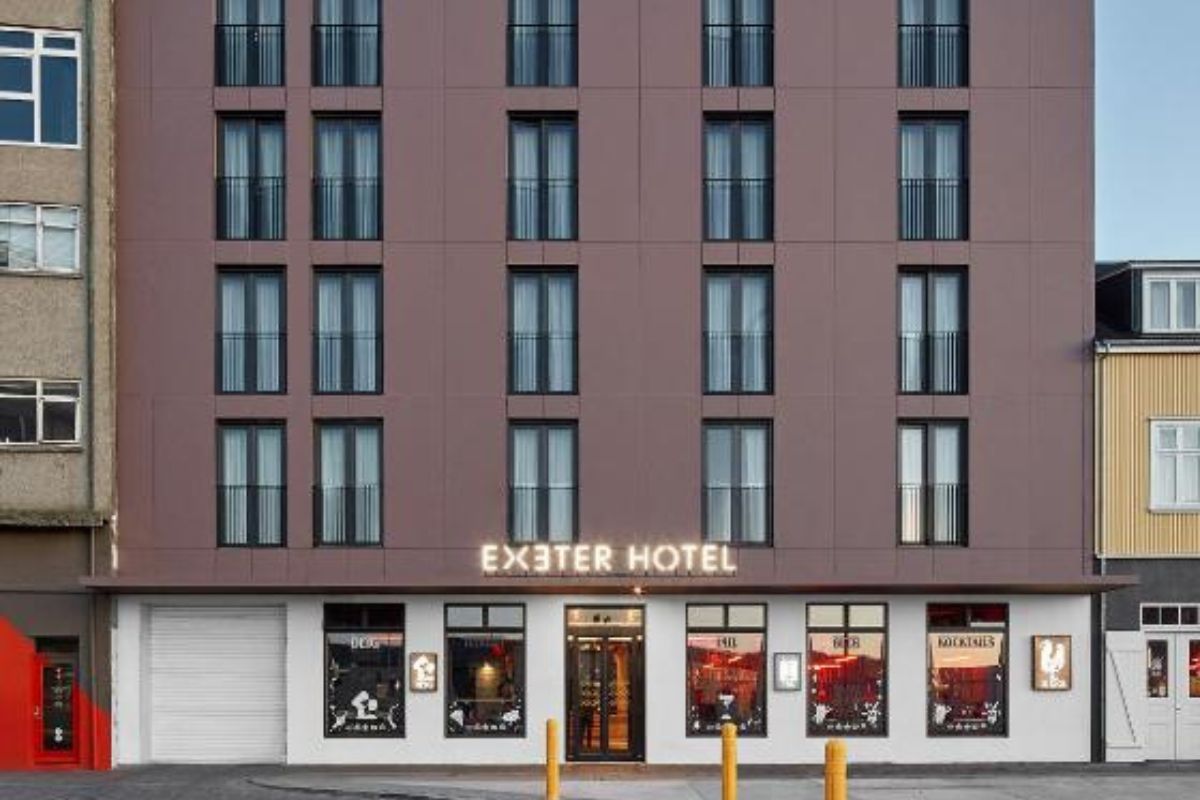
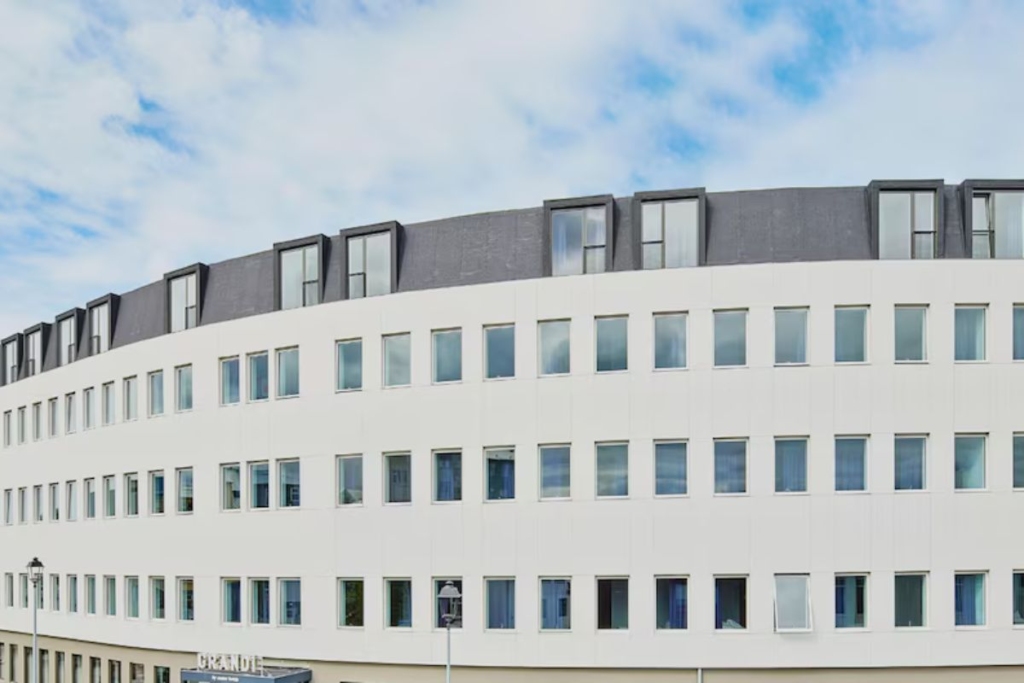
If you’re aiming for the harbor side of the city, the Exeter Hotel is the better fit. Pick it when whale watching, Grandi, the old harbor, quick food breaks, and a more contemporary hotel vibe matter more than being right on Laugavegur. It’s especially handy for people who want Reykjavík to feel like one thread in the itinerary, not only the spot where you bounce back after the flight. 

Rooms aren’t huge across the board; Harbor Standard rooms average 17.2 m², so plan with location and atmosphere in mind, not extra square meters. For pricing, you can expect plenty of standard-room dates to land around 27,000 to 71,000 ISK, but peak city dates can edge higher, quite a bit sometimes.
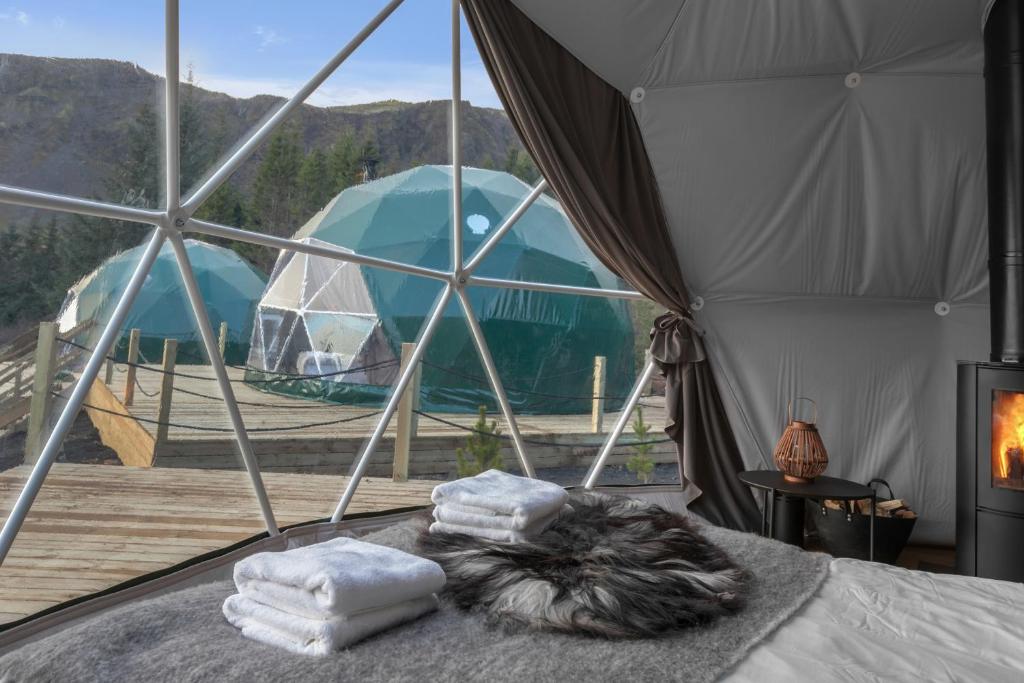
exeter-hotel rooms Reykjavík Residence is the more reliable all-around option if you’d like a central, apartment-like stay with more room to unpack and settle. Center Hotels Plaza works well too, especially if you prefer a straightforward base near the old town and the tour pickup points. And if you’re skipping a car rental, stay near bus pickup areas and check the pickup requirements before you book, because the details can change.
3. Follow the South Coast to Seljalandsfoss, Skógafoss, and Vík

Follow the South Coast to Seljalandsfoss, Skógafoss, and Vík - where to visit in iceland

The South Coast is the safest route people usually have in mind when they ask what to do in Iceland after the Golden Circle. It feels dense, in the best way. You get two famous waterfall spots, a glacier viewpoint, black sand, sea stacks, cliffs, plus a small coastal town, all without needing a specialist vehicle in normal times.​

You do not need a 4×4 for the regular South Coast route to Vík, in good conditions. Route 1 is basically the main paved road, and most of the waterfall moments and the usual Vík stops sit on, or quite close to, that same route. The issue is not the surface on a good day. The issues are wind, ice, side roads, and the whole winter mood. If you’re visiting in winter and you feel nervous about driving, book a tour instead.

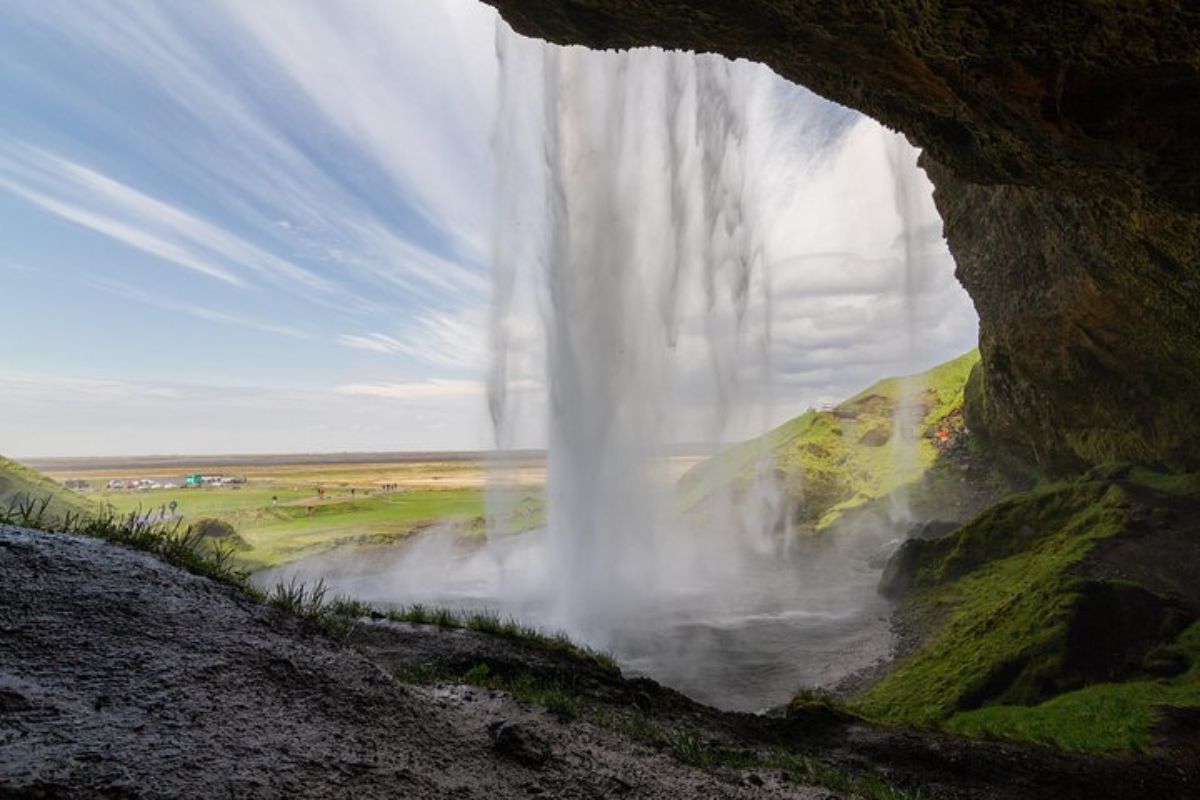
Seljalandsfoss is the waterfall with the path behind the falling water. The official South Iceland site gives its height as 60 meters, and that number feels believable once the spray is already hitting your trousers before you reach the back path. You will not get gently misted here. You can get soaked.

Waterproof trousers matter as much as a jacket does, and normal trainers can feel odd on slick stones. In winter, the path behind the falls can close because frozen mist forms ice along it and above it. If the closure is up, respect it. Large ice chunks are not a mild nuisance.

Where to stay on the South Coast of Iceland

UMI Hotel - where to visit in iceland

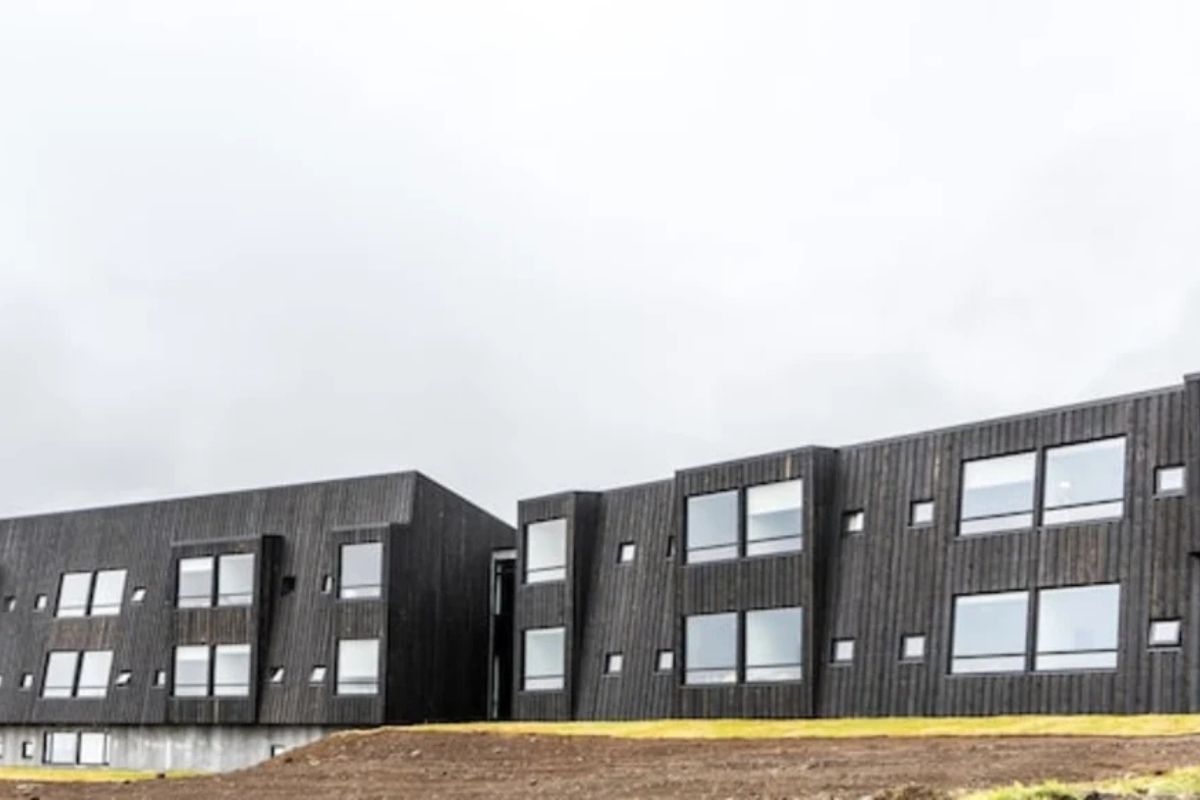
If you want the South Coast to feel a bit less rushed, UMI Hotel is probably the best base. It’s a little off from the busier town stop points, close enough to the Ring Road so you can keep the route easy, but far enough from that main roadside noise to feel more restful at night. Expect around 61,000 to 156,000 ISK for many standard-room dates, with the upper end more common when demand is tight. So, this is a comfort sort of pick, not a value move.​

4. Visit Reynisfjara for the Beach Views

Visit Reynisfjara for the Beach Views - things to see in iceland

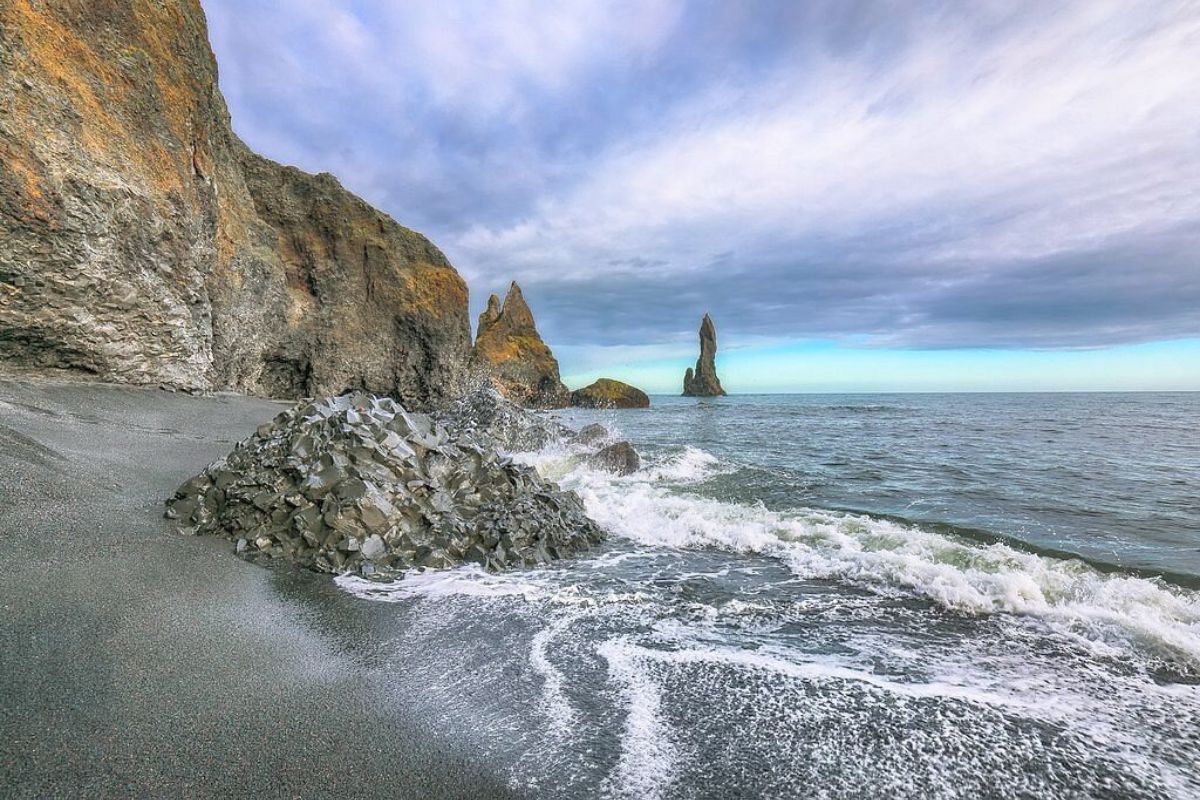
Reynisfjara is one of the must-see spots in Iceland, but it’s not some casual, quick beach stop. The black sand, basalt columns, Reynisdrangar sea stacks, and the Atlantic surf all look straight out of a film.

The main concern is sneaker waves. They can surge much farther inland than many visitors expect. The beach has warning lights and safety zones for a reason. A yellow light means visitors must not enter the yellow zone. A red light means visitors must not enter the red zone or go beyond the light sign. 

Stay high on the beach, behind the active warning zone. Do not stand on the wet sand for photos. Do not turn your back on the water. Do not follow other visitors closer just because they seem confident.

The best visit is short and disciplined. Take in the basalt columns from a safe distance. Watch the waves from well back.

Where to stay near Reynisfjara, Iceland

Hotel Vík í Mýrdal - where to visit in iceland

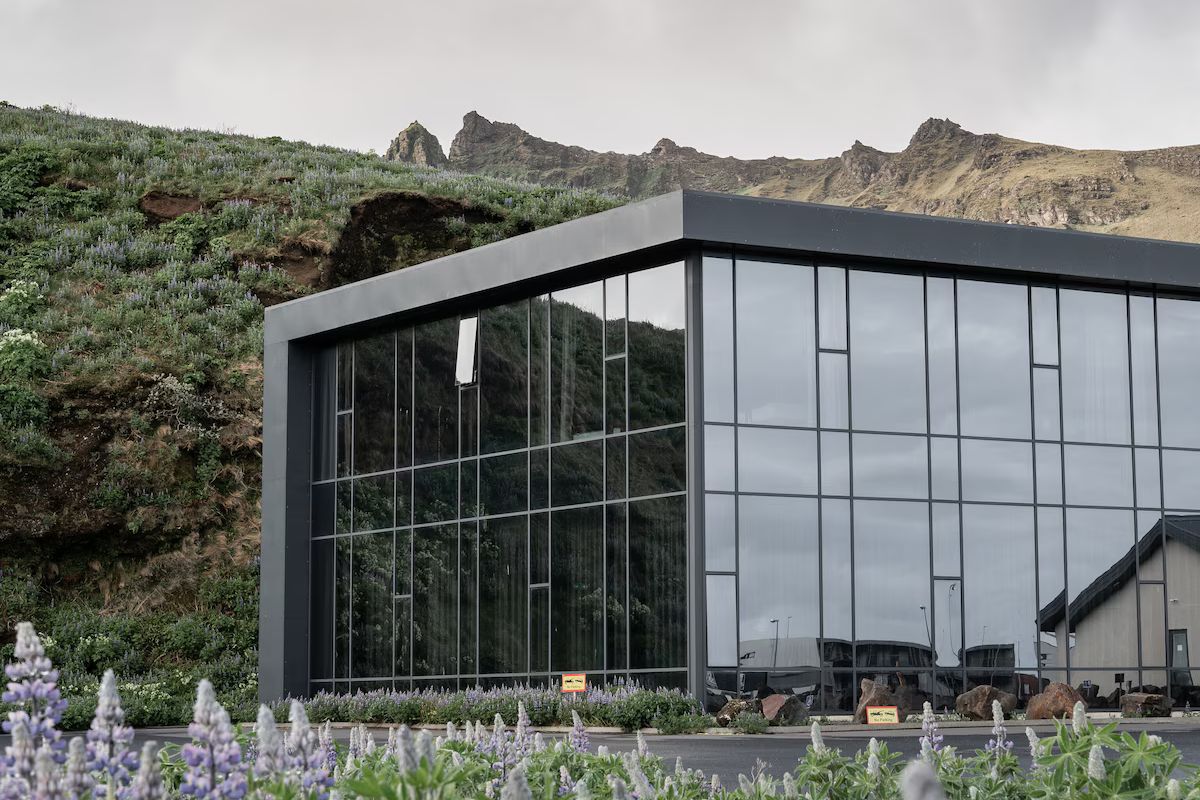
If you want to stay close, Hotel Vík í Mýrdal is the practical base. It keeps you near Reynisfjara, Dyrhólaey, fuel, food, and the village. Black Beach Suites suit travelers who want more space and self-catering near the coast. UMI Hotel is better if you prefer a quieter South Coast stay west of Vík. The caution is the weather. Around Vík, wind can make even short plans feel rough.

5. The Jökulsárlón and Diamond Beach, Iceland

Jökulsárlón and Diamond Beach - must see things in iceland (1)

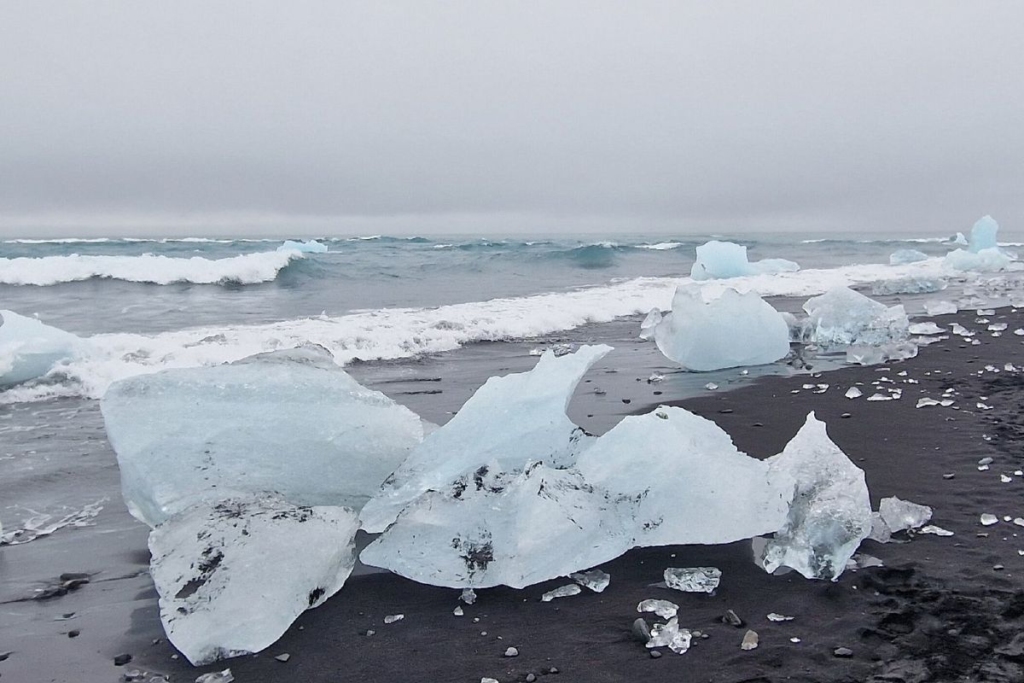
Jökulsárlón is the place where many South Coast trips become more than nice scenery. Icebergs drift through the lagoon. Across the road, pieces of ice wash onto the black sand at Diamond Beach. The scene changes with light, tide, weather, and the amount of ice on the shore.

The problem is mostly the distance from Reykjavík. Jökulsárlón is about 377–380 km from the capital, so roughly five hours of driving each way in normal conditions, before you include stops.

On Diamond Beach, the ice can look like glass blocks, cloudy blue lumps, or smaller broken slivers scattered over the black sand. Early-morning or late-evening light can make the ice appear more distinct, and the glow can look nicer, but the overall amount of ice is never the same.

Where to stay for Jökulsárlón and Diamond Beach, Iceland

Fosshotel Glacier Lagoon - must see things in iceland

If you are planning to be around this part of Iceland, Fosshotel Glacier Lagoon is the better match for most travelers. It sits right between Skaftafell and Jökulsárlón, so it fits many route ideas with almost no extra shifting around. Room prices are usually in the range of 31,000 to 149,000 ISK for standard rooms, depending on your date and the exact room style. The convenient activities matter here too, like parking, dining nearby, EV charging, hot tubs, sauna access, and plenty of rooms for people who really do not want that small rural place vibe.  ​

Hotel Skaftafell is the wiser pick if going on Skaftafell hikes, plus glacier tours, is what you care about more than the lagoon itself. Hali Country Hotel works well if you want to be a bit closer to Jökulsárlón and do not really need the more “big hotel” kind of atmosphere.

6. Add a Glacier Hike or Ice Cave Only With the Right Season and Guide

Glacier Hike or Ice Cave - must see things in iceland

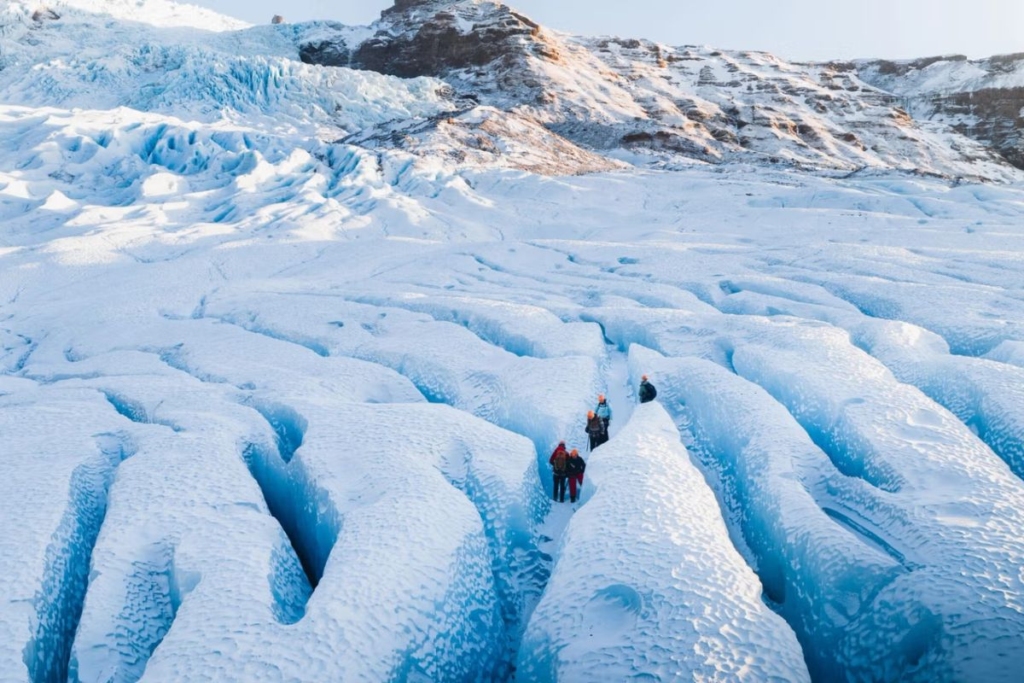
Glacier experiences are among the most distinctive things you can do in Iceland, but they aren’t all the same. Most travelers tend to focus on Skaftafell and the broader Vatnajökull region for these glacier trips. Vatnajökull National Park really puts clear stress on preparation, because conditions up in the mountains and the sky can change fast, and then you’re stuck thinking twice.​

The cancellation risk is real, heavy rain can distort things; unsafe ice, high winds, and poor visibility can too. Any shifting glacier access rules can cancel or reshape a tour in a hurry. Usually, the better operators will swap you to another date or issue a refund if they call it off for safety, but it only truly helps if your plan has some slack in it. So I’d book the glacier activity early in your trip to the southeast, not on that final morning right before a long drive.

Where to stay for glacier hikes and ice caves

Hotel Skaftafell - must see things in iceland

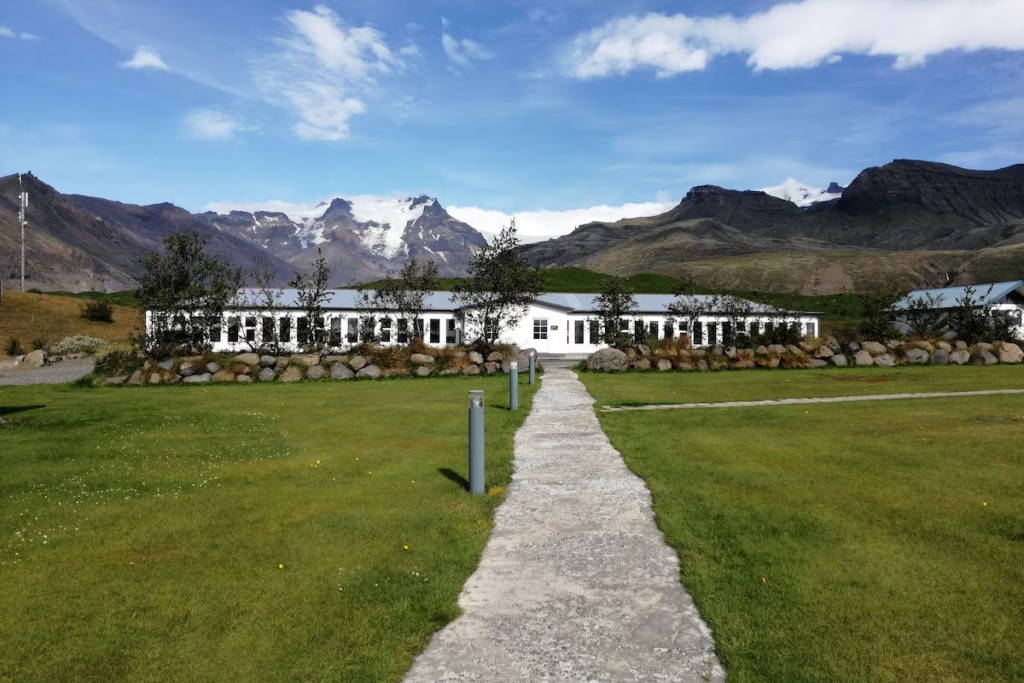
Hotel Skaftafell is your best bet it keeps you close to the visitor-center side of the national park. The hotel contains 46 standard twin rooms, plus superior double rooms and triple rooms. Booking starts around 27,000 ISK, but the real value is time saved.

Hali Country Hotel pulls you closer to Jökulsárlón. It sits by Route 1, about 10 to 12 km from the glacier lagoon, with rooms, apartments, a restaurant, and a museum on site. Its own price list starts around 21,900 ISK, with some room types reaching about 50,000 ISK. Choose it when the ice cave, lagoon, or Diamond Beach should be the first or last part of the day. In this corner of Iceland, the wrong hotel can turn a cold tour into a colder drive.

7. Soak in a Geothermal Lagoon, but Choose the Right One

Geothermal Lagoon - things to see in iceland

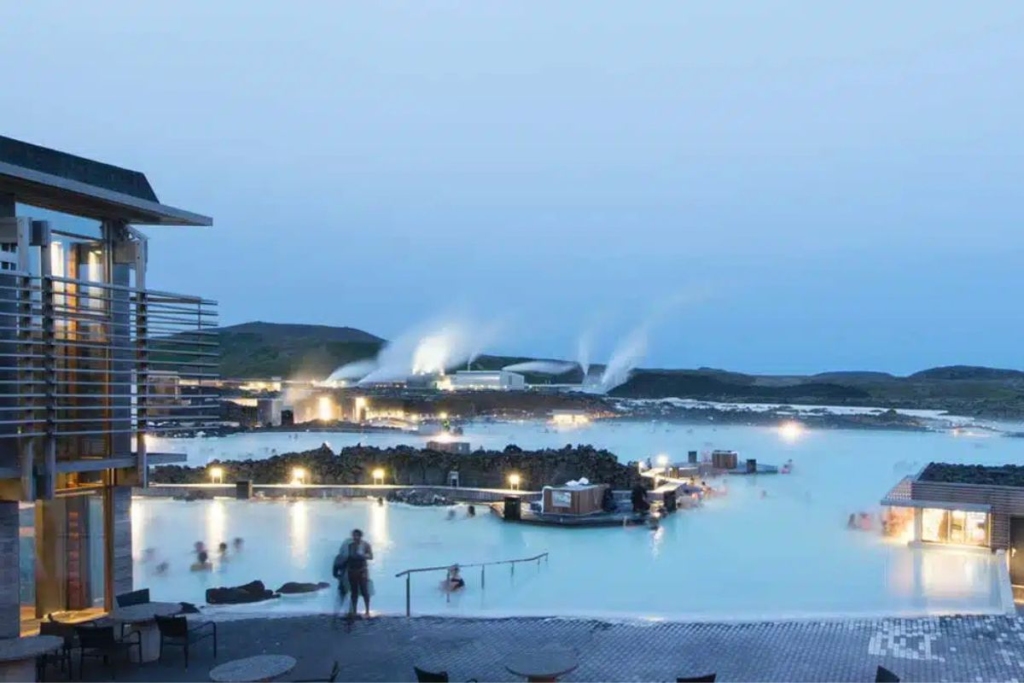
Blue Lagoon is famous for its milky blue water, black lava backdrop, good airport access, and facilities that feel pretty polished. What makes it feel easy is how controlled the setup is. Blue Lagoon says pre-booking is essential, and that’s not just marketing. On their current official day-visit page, Comfort is from 11,990 ISK, Premium from 14,990 ISK, and Signature from 18,490 ISK.​

The Comfort ticket already covers the entry, towel use, a silica mud mask, a private locker, shampoo and conditioner, moisturizer, and one non-alcoholic drink at the in-water bar. So it’s more than just “get in, get out”. From Keflavík Airport to the Blue Lagoon, it’s usually around 20 minutes, assuming normal conditions, which is why arrival-day visits make sense. If you’re driving to Reykjavík, it’s more like 40 to 45 minutes in typical traffic.​

Secret Lagoon and the smaller local pools can be a better value, even if the visuals aren’t as intense or cinematic. Local public pools are the less-discussed budget move, particularly if you’re traveling with family, or maybe a group with kids. Also, there’s one small tip that matters more than people think. Blue Lagoon’s own support advice says to apply conditioner before entering the lagoon, and leave it in while you’re bathing. Long hair should be tied up. The conditioner is provided in the changing room.

The price gap between Iceland’s lagoons is wide enough to affect the plan. Sky Lagoon’s official booking page currently shows its lower adult package from 16,990 ISK, with higher packages above that. Secret Lagoon is much cheaper, with adults currently listed at 4,500 ISK and children aged 14 or younger at 260 ISK.

Blue Lagoon’s current access situation needs a quick check before booking, since the Reykjanes Peninsula has experienced recent volcanic activity. In June 2026, the Icelandic Met Office said that ground uplift and magma accumulation were still occurring beneath Svartsengi, but seismic activity remained low. Blue Lagoon also has its own seismic activity and access site, so check both; just don’t assume it’s all normal, even if you think it was fine yesterday.​

Blue Lagoon is usually easier to justify for first-timers, couples near Keflavík, and people who want the well-known geothermal spa experience. On the other hand, travelers on a tight budget, people who don’t really enjoy timed-entry spa routines, and anyone already planning to use local pools may find it less necessary.

Where to stay for lagoon days

Silica Hotel - what to do in iceland

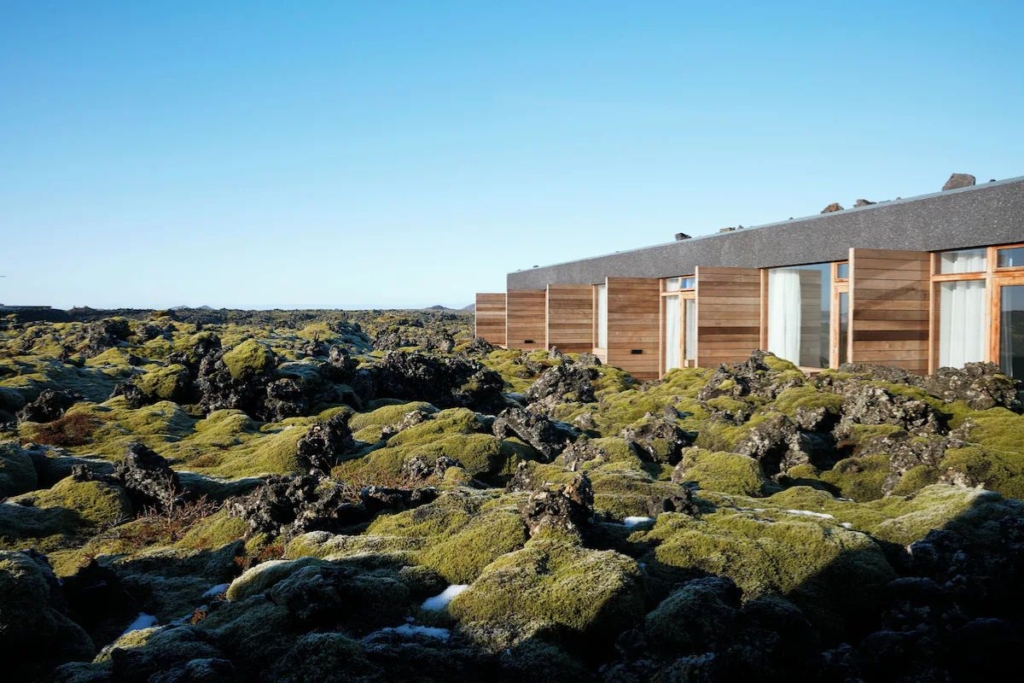
Do not book the lagoon first and hope the route behaves. Pick the soak by where you will already be. For Blue Lagoon, the airport-side hotels make sense only when the water is the main event or your flight timing is awkward.

Silica Hotel starts from about 104,000 ISK for Lava Deluxe rooms, with Premium admission to the Blue Lagoon, access to Silica Lagoon, buffet breakfast, a welcome drink, Wi-Fi, fitness-center use, and taxes included.

8. Chase the Northern Lights

Chase the Northern Lights - What is there to do in Iceland

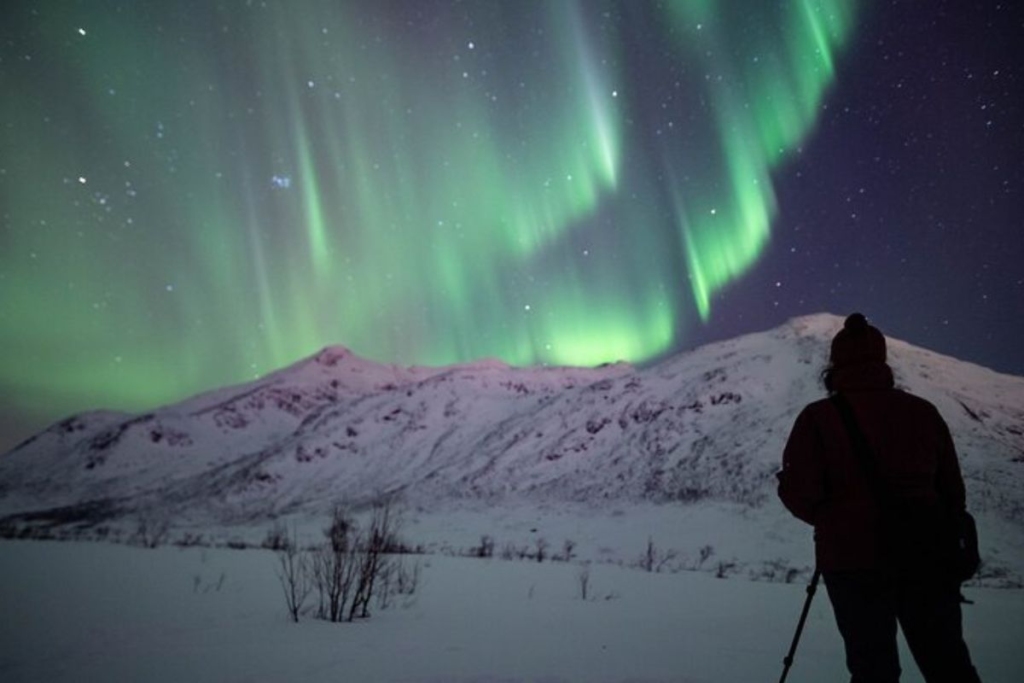
The northern lights are one of the biggest reasons people visit Iceland in winter. They are also one of the easiest ways to feel disappointed if the trip is planned wrongly.

You need darkness, partly clear skies, solar activity, and patience. You should be familiar with the Icelandic Met Office aurora website before you go. Its map shows cloud cover over Iceland, with green areas indicating cloud cover and white areas indicating clearer skies. It also shows auroral activity on a 0-9 scale.

Do not only look at the activity number. Cloud cover can ruin a strong night. A lower activity night with a clean gap in the clouds can be more useful than a higher activity night under a thick green map.

Summer is the wrong season, the nights are still too bright, like you can’t fully see much. Winter is nicer in a way, because you get a longer dark window, but then clouds, wind, and storms can block the sky for several nights in a row. A plan that lasts four nights tends to give you a better shot than a quick two-night stop.

Where to stay for the northern lights

Hotel Rangá - things to see in iceland

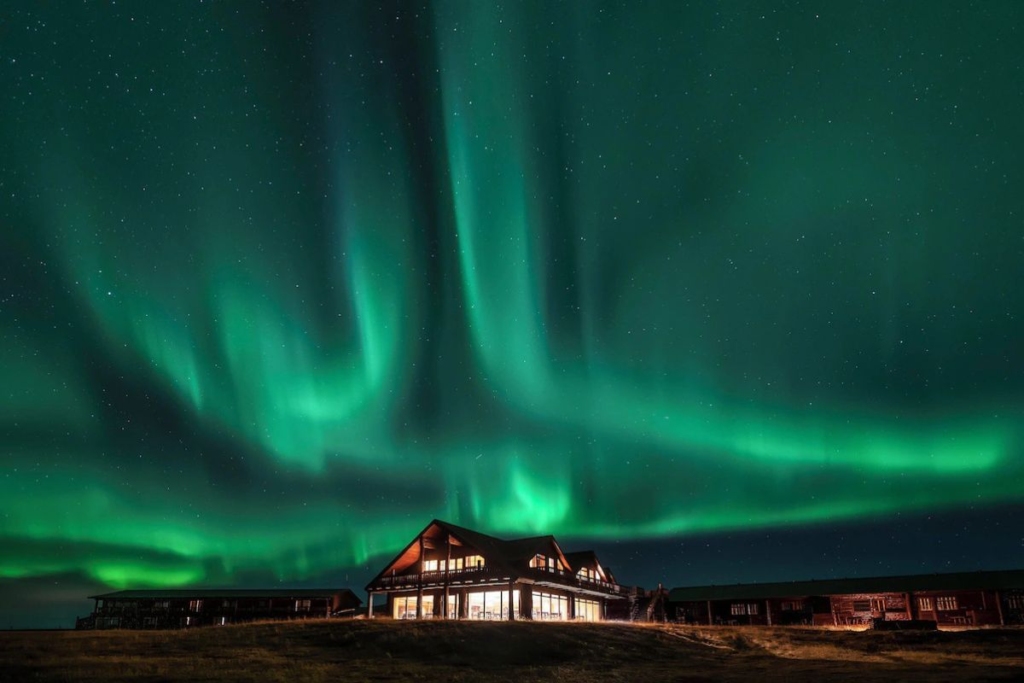
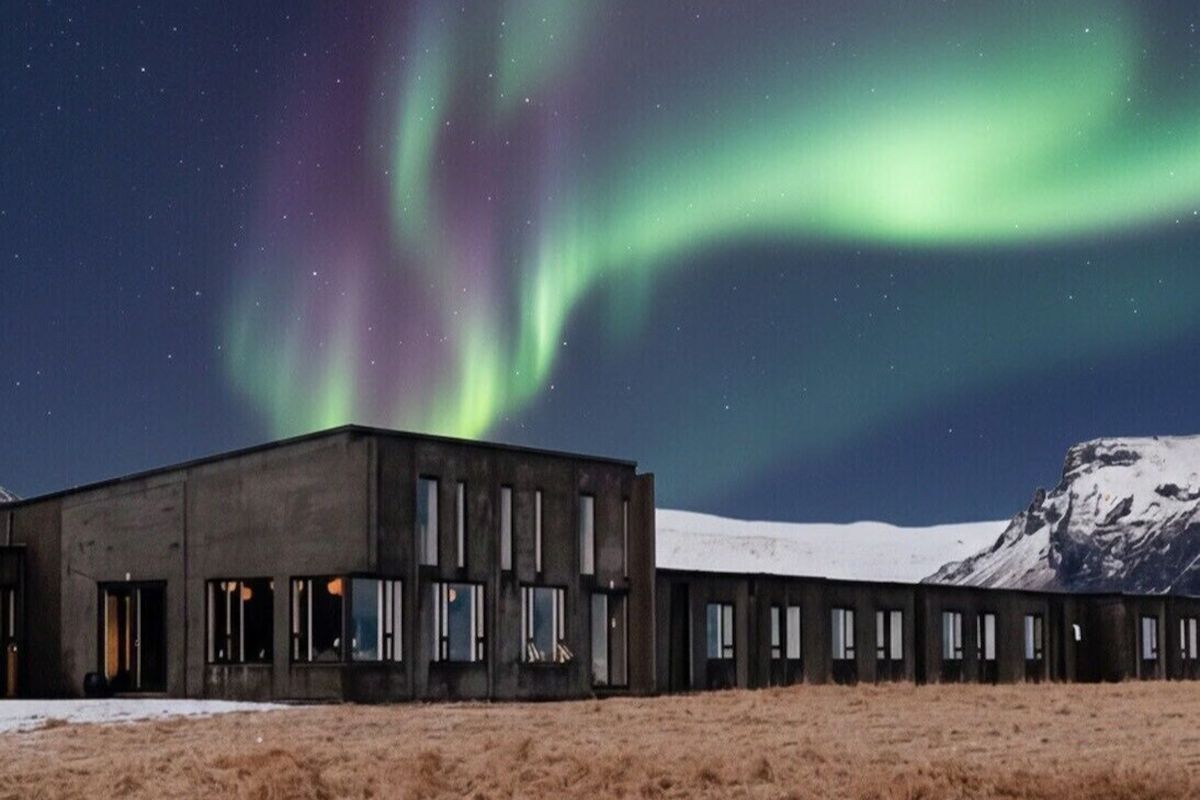
Hotel Rangá is one of the best countryside location for travelers seeking darker skies and access to the South Coast. ION Adventure Hotel is better if your trip leans toward Þingvellir, Silfra, and the Golden Circle. In Reykjavík, stay central and book a tour instead of expecting city lights to help. The main caution is expectation. No hotel can promise northern lights.

9. Visit the Snorkel Silfra Iceland

Visit the Snorkel Silfra - iceland things to do

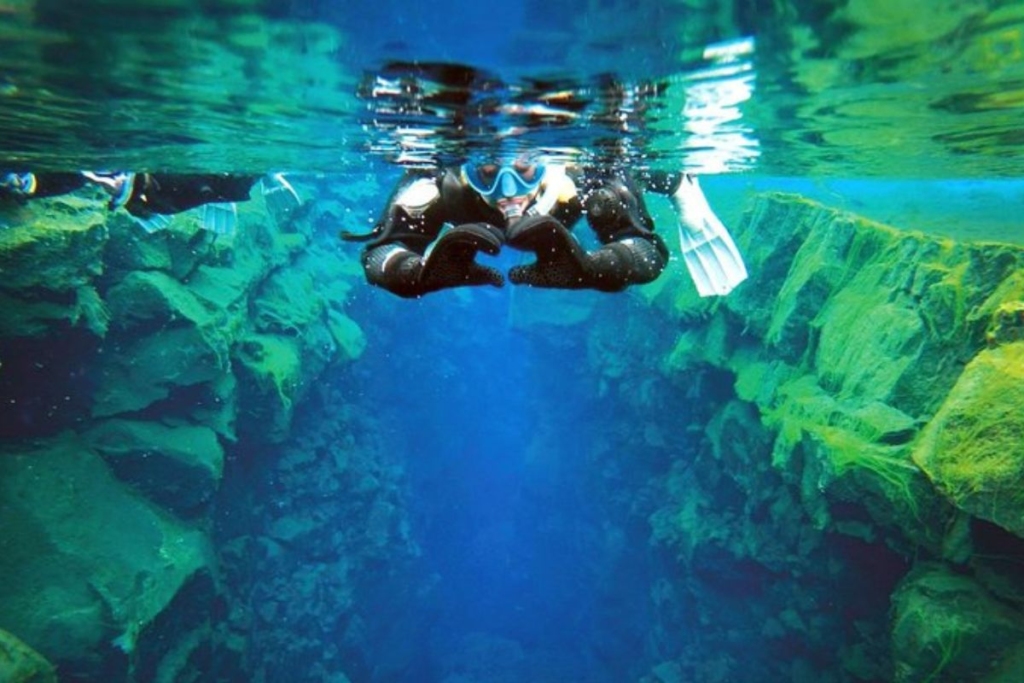
Silfra is not really a casual swim. The water stays around 2 to 4°C year-round, and visibility can exceed 100 meters. It’s magic and also shocking. The drysuit keeps most of you dry, but your face still gets hit with glacier-cold water, and the neck and wrist seals can feel a bit too tight, like uncomfortably snug.  The suit is the thing people underestimate.

Wear warm base layers under it, and do not arrive expecting a loose spa-like float. Your hands and face can still feel the cold fast.

Enjoy a Silfra snorkeling tour with pickup from Reykjavík for 30,990 ISK, while the meet-on-location version is lower. Treat Silfra as a main paid experience, not a side stop. If you hate cold faces, tight gear, or group pacing, spend the money on a glacier hike instead.

If Silfra is the paid experience shaping the day, ION Adventure Hotel is the strongest match. It sits near Þingvellir, so the location fits the activity: cold water, lava fields, dark skies, and a quieter version of the Golden Circle. It suits couples and design-minded travelers who want the day to feel like a real Iceland adventure, not a quick stop squeezed between Geysir and Gullfoss.

Choose Silfra if you want a guided paid experience and you are fine with tight suits, cold faces, and steady group pacing. Skip it if you struggle with cold water, have only a small window for the Golden Circle, or would rather spend the money on a glacier hike.

Silfra can take a large part of a Golden Circle day. It becomes a problem if you also want to spend time at Þingvellir, have lunch at Friðheimar, see Gullfoss and Geysir, and soak in a geothermal pool.

Where to stay for Silfra Iceland

Hotel Grímsborgir - where to visit in iceland

Hotel Grímsborgir is the best alternative if you want more comfort and a less remote feel. Current public rate snapshots put standard rooms around 24,000 to 47,000 ISK a night, and with seasonal jumps that are pretty likely in summer, or when high demand dates show up. The official room notes include breakfast and access to shared hot tubs, so the overall cost can feel less steep if you want the day to move more slowly after Silfra.

10. Take a Whale-Watching Trip From Reykjavík, Húsavík, or Akureyri

Whale-Watching Trip From Reykjavík, Húsavík, or Akureyri - must do in iceland

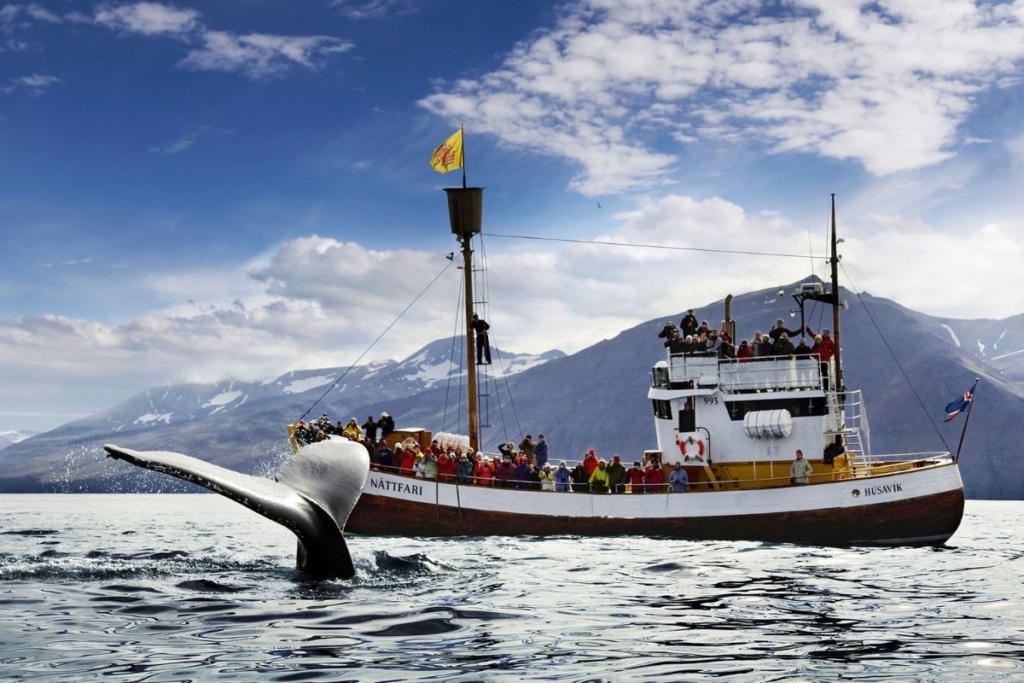
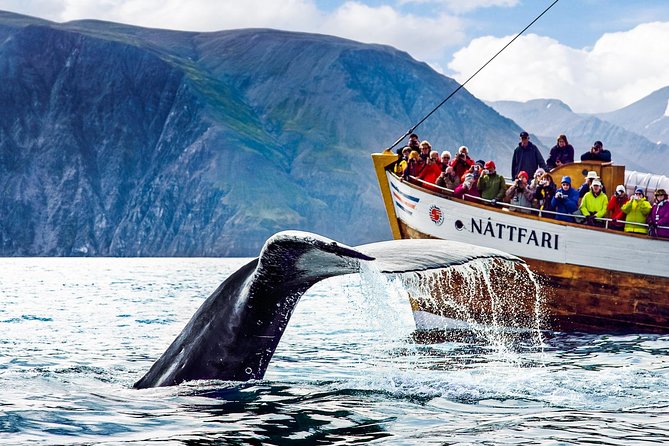
Whale watching really comes down to where your route already leads you, like how easy it is to get to the departure spot. Reykjavík feels the simplest, since the boats sail out of the old harbor and you can usually do a quick trip without too much fuss. Elding has been doing whale-watching and other sea tours out of Reykjavík’s Old Harbor since 2000.

Húsavík, on the other hand, is the classic North Iceland whale town, with North Sailing and Gentle Giants as two popular providers. Akureyri can also be a good pick if you’re staying around Eyjafjörður, because humpbacks are basically the main attraction there.
whale watching iceland

The main practical issue is sea conditions. Even in summer, boat tours can feel cold. If the water gets rough, the whole vibe can change super fast. Like choppy waves and seasickness, plus no sightings at all, they can turn what was supposed to be a highlight into this whole day you wish you had spent somewhere else.

​What helps is doing the marine weather check, not only the usual forecast. A quiet city morning doesn’t mean the boat ride will be easy. If you start feeling sick, try to pick a larger vessel if one’s available, take your medication ahead of time if you normally need it, and please don’t schedule whale watching on a day when you also have to drive for hours afterward.​

Also, wear more than you figure you need. A hat, gloves, and a wind-blocking outer layer really matter even in summer. The guide or operator might hand out warm overalls, but you probably still want warm layers underneath, because it can get chilly out there. The fjord can look calm from town and still feel cold once the boat is moving.
Where to stay for whale watching

Grandi hotel- where to visit in iceland

In Reykjavík, the Exeter Hotel is the easiest base for the old harbor and the Grandi hotel. You can walk to the boats and eat nearby. In Húsavík, Fosshotel Húsavík is the practical choice because it keeps you close to the harbor and the Diamond Circle route. In Akureyri, a central hotel or guesthouse works best if your boat trip leaves from the Eyjafjörður area.

You can walk to the boats and eat nearby, but it is not a cheap harbor base. It’s about 34,500 ISK per night, with dates, room type, and taxes affecting the final price. The caution is motion. Pick the route that suits your stomach, not only the town with the strongest reputation.

11. Go north for Mývatn, Dettifoss, Húsavík, and Goðafoss

Go north for Mývatn, Dettifoss, Húsavík, and Goðafoss - must see things in iceland

North Iceland is the answer when someone asks for places in Iceland with fewer crowds than on the South Coast. It’s not really empty, but it offers a different version of the whole country: volcanic fields, lake scenery, whale towns, big waterfalls, geothermal zones, and sharper Arctic edges, too.

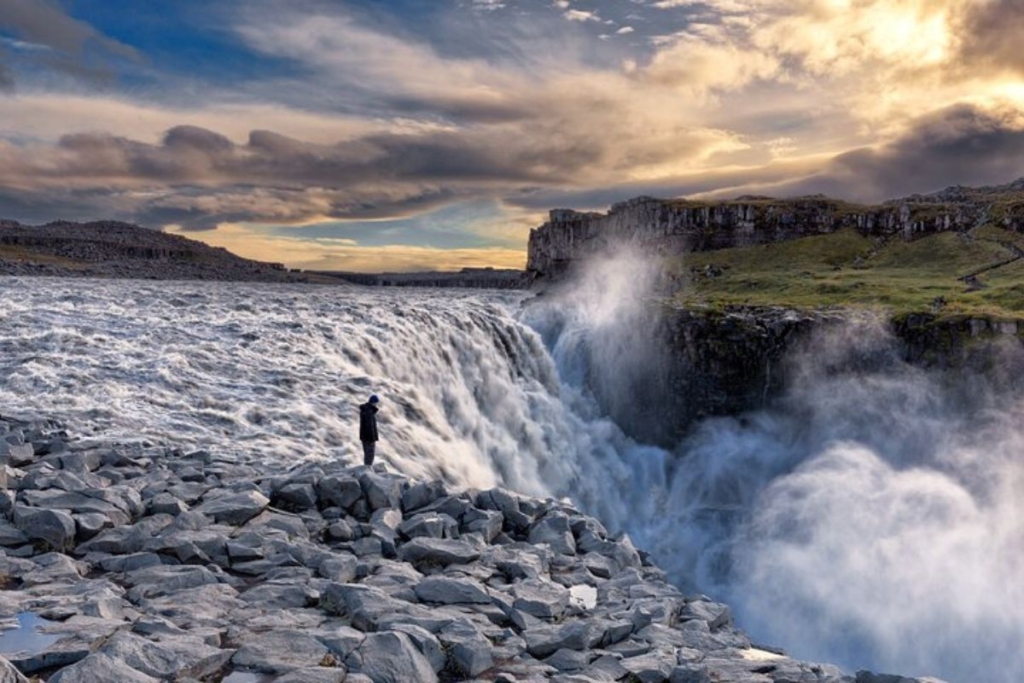
The Diamond Circle is around 250 km long and tends to work best as a loop rather than a rushed little detour. Dimmuborgir is worth pausing for, because the lava field has natural arches, caves, and odd towers that feel different in a way you don’t get much on the South Coast. Dettifoss is the blunt-force stop: less pretty than Goðafoss, but much more severe and louder. Goðafoss is easier to slip into a day, since the access is simpler and the view lands right away.

Summer and the shoulder season make the whole route smoother, even when you’re not moving super fast. Winter can be worthwhile, but road status and weather checks matter more than many travelers expect.

Mývatn pushes slower travel, because the viewpoints are more spaced out, you know. Dettifoss feels harsher and also more cut off, especially if the weather is acting up a bit. And if the west-side road option and the east-side road option are even on the table, make sure you check current access first; don’t just assume it’s all straightforward or that both routes are friendly

Where to stay in North Iceland

Fosshotel Mývatn - where to visit in iceland

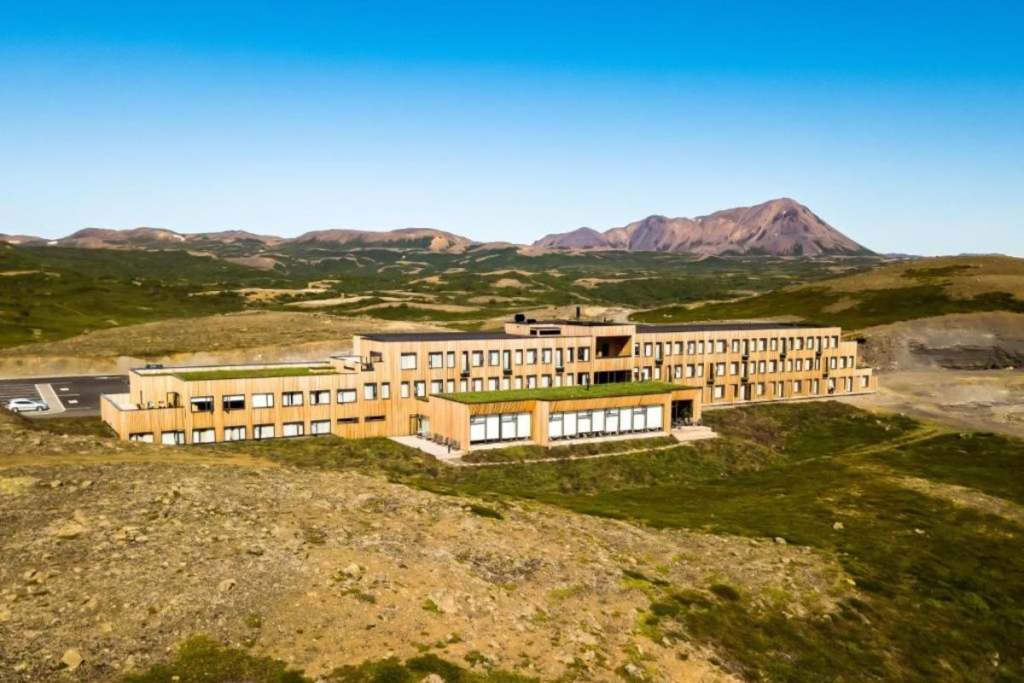
Fosshotel Mývatn is a solid base if the lake area is the main point. Fosshotel Húsavík is the smarter pick when whale watching is driving the whole plan. From recent rate checks, rooms seem to be in the 25,000 to 76,000 ISK range, with a few examples around 51,000 ISK. That might sound high until you factor in the time and back-and-forth costs from Akureyri. Staying near the lake makes it easier to spread out Dimmuborgir, Hverir, Mývatn Nature Baths, and even the Dettifoss section of the Diamond Circle without feeling squeezed.

12. Visit Snaefellsnes When You Want a Slower West Iceland Road Trip

Visit Snaefellsnes - must see things in iceland

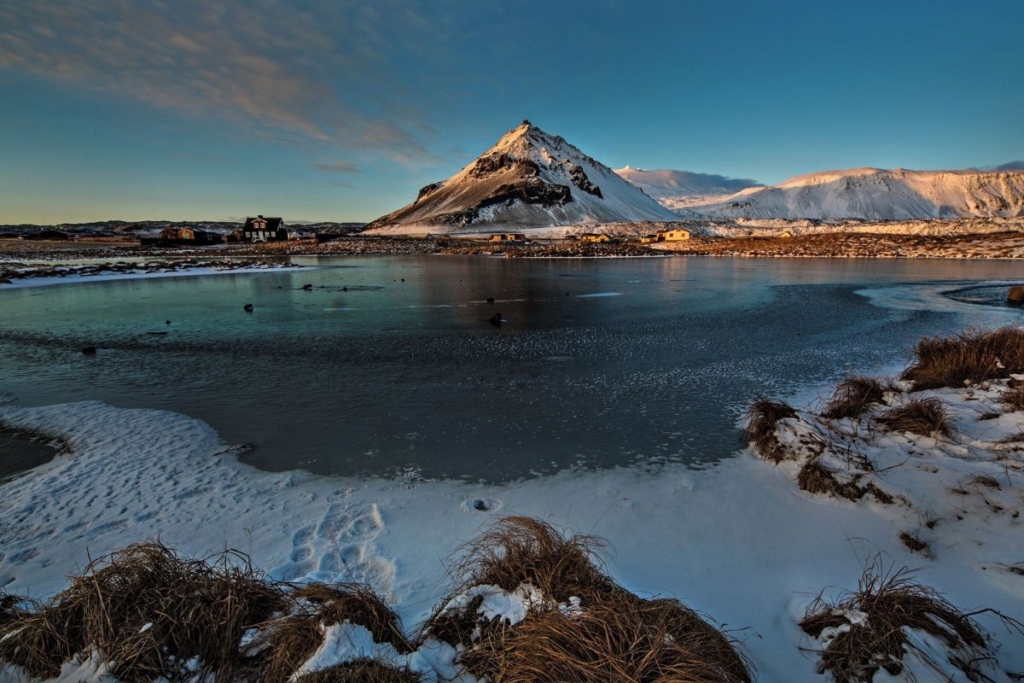
Snæfellsnes works best for travelers who have already done Reykjavík, the Golden Circle, and part of the South Coast, or for people building a west-focused route. The peninsula gives you fishing towns, lava fields, coastal cliffs, Kirkjufell, black churches, beaches, and Snæfellsjökull National Park.

Snæfellsnes rewards people who walk a little. The Arnarstapi to Hellnar coastal trail is about 2.5 km and takes around one hour one way on the national park’s own trail list. That is a better use of time than jumping out for one cliff photo and leaving. Hellnar also has the Baðstofa cave, known for color changes with light and tide. Kirkjufell is still worth seeing, but it is smaller in person than its online fame suggests, and fog can erase the whole mood.

Travelers with only four days who have not seen the South Coast yet should usually skip it. Repeat visitors, slow drivers, couples, photographers, and travelers looking for places to visit in Iceland beyond the main coach routes should consider Snæfellsnes.

Where to stay on Snæfellsnes, Iceland

Hotel Búðir- where to visit in iceland

Hotel Búðir has the best aesthetics on the peninsula. It suits couples and photographers who want coastal space and easy access to the black church area. Fosshotel Stykkishólmur is more practical for travelers who want a town base on the north side. Arnarstapi Hotel is better for access to the national park and coastal walks. The caution is weather and food planning. In quieter areas, book dinner ahead and do not count on clear glacier views every day.

Best Time to Visit Iceland, Booking Tips, and Price Reality

Best Time to Visit Iceland, Booking Tips, and Price Reality- where to visit in iceland

June through August is the easiest season for driving. Roads are more open, days are long, and the weather is less harsh. It is also the season when popular places feel most crowded and rural hotels sell out early.

May and September are strong months for many travelers. Prices can be less painful than peak summer. Roads are often easier in winter. You still get enough daylight for a proper road trip. September also brings darker nights, which helps if you want a chance of northern lights.

October through March is for travelers who accept risk. The reward is that you get winter light, ice caves, snowy scenes, and better aurora chances. The cost is shorter days, colder trips, more cancellations, and a real need to check road and weather updates, like, for real.​

April can be a bit awkward. It can be cheaper and quieter too, but a few seasonal tours shift around, snow may linger, and the whole trip can feel stuck between winter and spring. Still, it can be a good value month if you plan carefully enough.​

Book rural rooms early. Vík, Skaftafell, Jökulsárlón, Mývatn, and the smaller bases in west Iceland have less room for error. If your route depends on one night in the southeast, do not leave it late.

A small car can be fine for main paved routes in summer. It is not the answer for F-roads. In winter, confidence matters as much as the car. If you are nervous about ice, wind, and low visibility, use tours instead.

Frequently Asked Questions

What is there to do in Iceland for first-time visitors ?  

If you’re a first timer, start with Reykjavík, the Golden Circle, the South Coast, a geothermal pool soak, and then try to fit in either Jökulsárlón or some kind of guided glacier day, if your schedule doesn’t get too tight. That combo usually hits the sweet spot of easy access, scenery variety, and realistic timing without everything feeling rushed.  

Do you need a car in Iceland ?  

No, you typically don’t need a car for Reykjavík, the Golden Circle, the Blue Lagoon, the Sky Lagoon, northern lights tours, whale watching, or a lot of South Coast day trips. A car helps a fair bit if you want early morning stops, less crowded timing, and overnight flexibility. And in winter, be ready for extra care, because road and weather conditions can shift fast and without much warning.  

What are the must do in Iceland experiences ?  

For most people the best must do in iceland are the Golden Circle, the South Coast waterfall circuit, Reynisfjara with safety care, a geothermal soak, Reykjavík, and Jökulsárlón if your itinerary is long enough. In the darker months, add northern lights, and in summer, add puffins or a puffin focused outing.  

What are the best things to see in Iceland without spending much?  

Some of the best free or low-cost things to see in Iceland include the Þingvellir walking areas, Gullfoss, Geysir, Skógafoss, Seljalandsfoss, the Reykjavík waterfront, Dyrhólaey viewpoints, the edges of Jökulsárlón, Diamond Beach, plus plenty of scenic pullouts along the way. Just note, parking fees can still show up, so it’s worth checking the local signs.

Is the Blue Lagoon worth it?

Blue Lagoon is worth it if you really want that well known geothermal spa vibe, and you can handle the cost. If you’re the strict-budget type, or you just prefer more local tubs, it starts to feel less necessary. Before you book, double check the current Reykjanes safety and access situation, like for real.

Where should you go in Iceland if you only have four days? 

Use Reykjavík as your starting point, spend one day on the Golden Circle, then go with one to two days on the South Coast, and add one geothermal spa day. Don’t try to force the full Ring Road into a four day window, it just doesn’t work nicely.

When is the best time to visit Iceland, though? 

June through August is the easiest, more relaxed driving and tons of daylight. But May, September, and early October can be better value with fewer crowds, and honestly that balance can feel better. Winter is great if northern lights are the dream, plus ice caves, but expect more road interruptions and tour cancellations.

What’s the biggest planning mistake in Iceland? 

The biggest one is building your whole route from photos rather than from the map. The second is treating winter driving like it’s summer. Also,  booking every premium experience before leaving any space for weather shifts, because weather in Iceland always has opinions.

A Final Note

Planning Iceland gets easier when you stop asking how many famous places you can squeeze into the days, and start asking what kind of trip that season actually allows.

On a first visit, the overall strongest route is Reykjavík, the Golden Circle, the South Coast, and then Jökulsárlón if you actually have enough days. For best value, I’d linger longer at the free natural spots and only pick one or two paid experiences, keep it restrained.

In winter, you should go in thinking about northern lights timing flexibility, ice cave scheduling, road checks, and basically shorter driving days, not nonstop slogs. In summer, book your room early and lean on the long daylight, but don’t turn every single day into a twelve hour march just because you can.

If I had to give one single pick from all of this post, it’s the South Coast with an overnight near Vík or even farther east. It’s the clearest what to do in Iceland, without pushing you to complete the full Ring Road.

Also, choose your season without sugarcoating it. Respect the road. Treat Reynisfjara like a hazardous shoreline, not like it’s a photo studio. Book Blue Lagoon because you genuinely want that experience, not because some checklist told you to. Iceland rewards travelers who leave breathing room for weather and distance, so just give the place a little space to surprise you.

Leave a Comment