
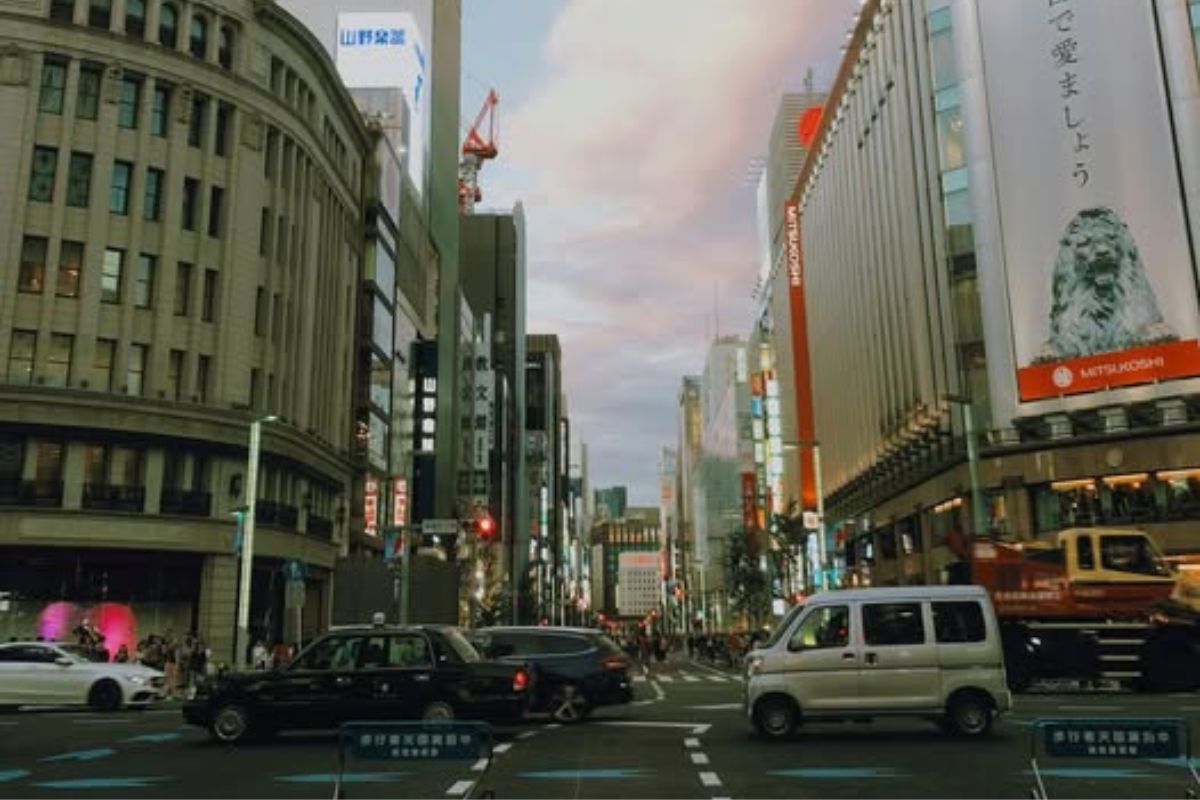
Tokyo announces itself before you see much of it. Most visitors think they are choosing a hotel. In practice, they are choosing a station. A surprising number of bad experiences at Tokyo hotels have nothing to do with the hotel itself.
The room is beautiful. The service is polished. The breakfast gets positive reviews. Yet by the third day, the guest is exhausted. What went wrong? Usually, it starts at the station.
A room that looks perfect on a booking site can become frustrating if it sits on the wrong side of a complex rail network. An extra transfer every evening, a ten-minute underground walk before reaching the correct platform, or a station with multiple levels of stairs can quietly consume hours over the course of a trip. Fatigue accumulates, so do taxi fares.
A less expensive room beside the right station often delivers a better Tokyo experience than a celebrated address in the wrong location. Before comparing hotels, it helps to understand the rail geography that shapes the city around them.
Before comparing room categories, spas, breakfast spreads, or skyline views, it helps to understand the city’s geography. Tokyo is less a single destination than a collection of rail-connected districts, each with its own rhythm, advantages, and frustrations.
That difference in arrival times matters because Tokyo does not behave like a single downtown area. It is a network of rail-connected districts, each with its own pace, advantages, and friction points. For instance, Haneda Airport sits close enough to central Tokyo that arrivals can reach areas like Tokyo Station or Ginza in roughly 30 to 40 minutes, depending on traffic and rail connections. Narita Airport sits much farther out in Chiba Prefecture, and travel time usually runs past an hour even with direct services.
Which District Best Fits Your Travel Style?
Marunouchi / Otemachi
Haneda Airport is generally about 30 to 40 minutes away by rail or taxi, depending on traffic. Narita Airport can usually be reached in 55-75 minutes by the Narita Express or via airport connections through Tokyo Station.
This is the financial core, palace-adjacent, best transit, calmest at night. Wide pavements, office towers, polished hotel entrances, and some of the city’s most convenient transport connections all cluster around Tokyo Station and Otemachi. Shinkansen platforms, airport trains, business districts, and the Imperial Palace area sit within a compact footprint. Best for first-timers who want central everything.
The advantage is obvious. You can arrive from Narita, walk into a hotel, and board a bullet train the next morning without crossing the city.
Ginza / Nihonbashi
Haneda Airport is typically a 30 to 45-minute ride by rail or taxi. Narita Airport journeys usually take between 60 and 80 minutes, depending on the transfer timing and the final hotel location.
Ginza is one of the easiest districts for first-time visitors to understand. Streets follow a logical grid. Restaurants range from department-store food halls to high-end dining rooms. Pavements remain remarkably clean, even during busy shopping periods.
Shinjuku
The flight from Haneda Airport generally takes 45 to 60 minutes. Narita Airport is often about 80 to 95 minutes away, depending on the rail route and transfer requirements. Shinjuku operates at a scale that surprises even experienced visitors. Tower blocks, entertainment districts, department stores, observation decks, and one of the world’s busiest railway stations all compete for space within a relatively compact area.
Few districts offer more transport choices. Multiple rail operators intersect here, creating direct access to large sections of Tokyo and beyond.
Shinjuku Station contains well over 200 exits when connected passages and linked facilities are considered. Choosing the wrong one can add considerable walking time. Arriving with luggage after a long flight can turn into a search for the best exit rather than an introduction to the city. Evening crowds remain heavy, particularly around entertainment zones, and certain streets stay active until very late.
Travelers who value nightlife and transport flexibility usually accept those trade-offs without hesitation.
Shibuya / Jingumae
This part of Tokyo feels younger at street level. Fashion retailers, independent cafés, restaurants, cocktail bars, and creative businesses occupy blocks that can change character within a few minutes’ walk.
The appeal is obvious to visitors who plan to spend evenings out rather than returning to their hotel immediately. Location quality here depends heavily on the exact address rather than the district name alone.
Asakusa / Ueno
The diplomatic quarter, green and calm. Access to Narita Airport is a major advantage. The high-speed train reaches Ueno in roughly 41 minutes before any onward local transfer. Haneda Airport generally takes 45-60 minutes, depending on the route.
This section of Tokyo feels different from the glass-and-steel districts surrounding Tokyo Station. Temple precincts, market streets, riverside walks, traditional shopfronts, and museum complexes create a slower rhythm.
Ueno works particularly well for airport convenience and cultural attractions. Asakusa offers some of the city’s strongest sense of historical continuity, especially early in the morning before visitor numbers increase around Senso-ji.
Selecting Your Neighborhood Base
| Travel Style | Best Suited District | Reasons |
|---|---|---|
| Bullet Train Ease & Order | Marunouchi / Otemachi | Flawless transit links, quiet evening streets, and high-floor luxury towers. |
| Walkable Dining & Luxury Retail | Ginza / Nihonbashi | Clean, navigable blocks, world-class dining reservations, and boutique shopping. |
| High Energy & Late Nights | Shinjuku | Endless dining alleys, dense entertainment choices, and vast transport connections. |
| Trend Hunting & Youth Culture | Shibuya / Jingumae | Independent local boutiques, fashion lanes, and vibrant social cafes. |
| Historic Texture & Value | Asakusa / Ueno | Traditional low-rise streets, affordable room rates, and fast rail links to Narita. |
The best Tokyo neighborhoods for different travel styles.
10. The Gate Hotel Kaminarimon By Hulic (Best Hotels in Tokyo For Asakusa Views And Early Temple Walks)
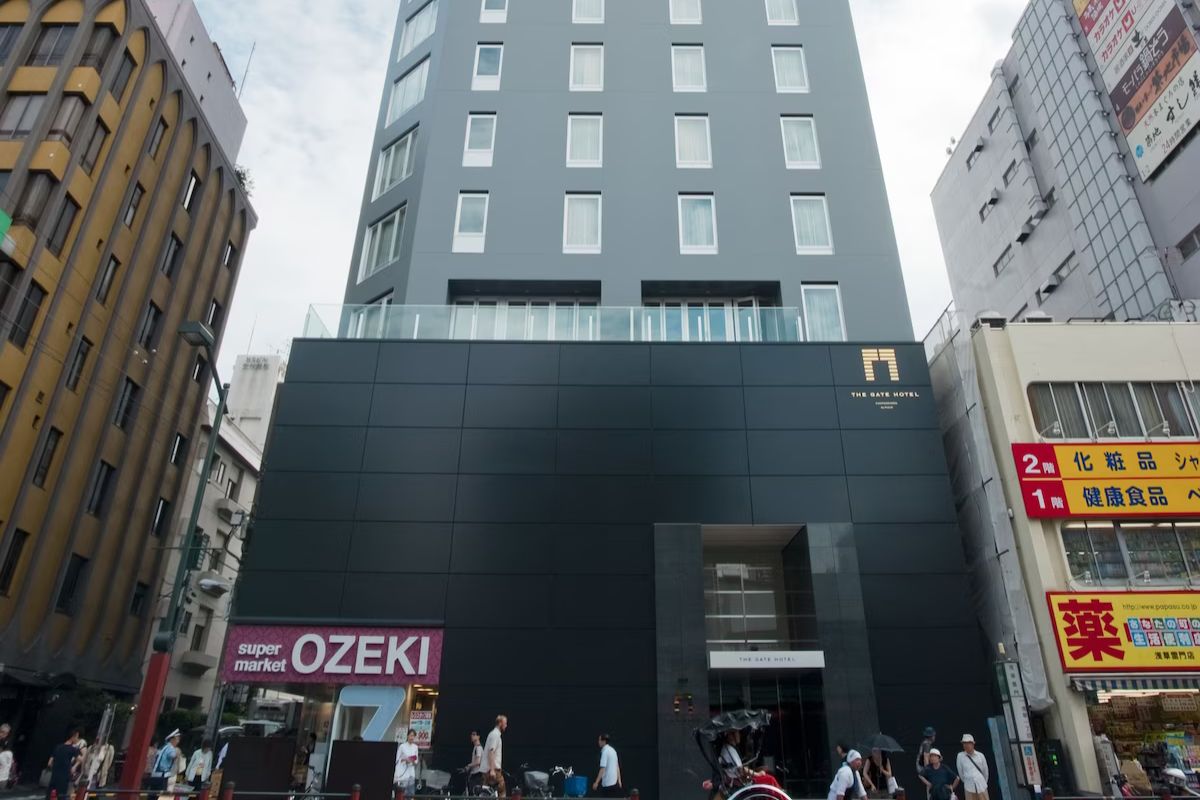
Staying at this 4-star Asakusa hotel costs between £100 and £240 a night. Because it is so close to Kaminarimon Gate, it is incredibly easy to visit the temple early in the morning before the crowds arrive.
It is advisable to avoid the entry-level “Essential” rooms on the lower floors facing away from the temple; they stare directly into the grey concrete siding of the neighboring office blocks. Instead, specifically request a “Scenic” room on the 10th floor or higher. These feature massive, unobstructed glass walls facing the glowing five-story pagoda of Senso-ji.
In the early morning, before tour groups arrive and street vendors fully set up, the walk toward Senso-ji feels almost private. From higher floors, Tokyo Skytree sits in clear view across the river, a reminder that this is older Tokyo sitting beside the modern city rather than competing with it.
Travelers who judge an experience by how it frames a city’s morning will get more out of this hotel than most others. Those who want late-night energy without a train ride will likely feel the distance after dinner.
9. Hotel Groove Shinjuku (Best For Late Nights And Neon Access)
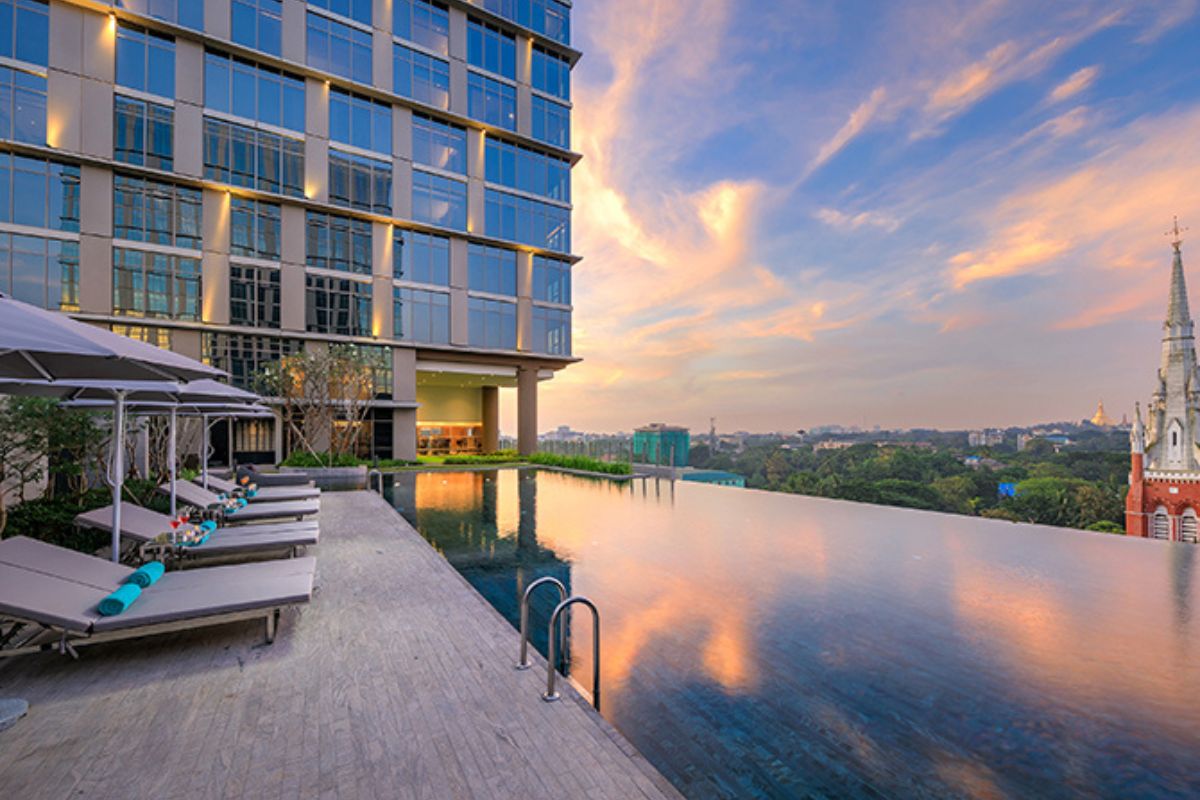
Housed inside the massive Tokyu Kabukicho Tower, this hotel sits dead center in Tokyo’s most energetic nightlife district. The building rises within Tokyu Kabukicho Tower, where lower floors open onto restaurants and late-night venues, while upper floors visually detach from street level.
Lift congestion between 18:00 and 21:00 is the most consistently mentioned pain point in guest reviews, due to shared vertical access with the entertainment floors inside the Tokyu Kabukicho Tower.
Room orientation produces meaningful variation. West-facing rooms capture fragmented skyline views of Shinjuku’s central cluster, while inward-facing rooms can feel visually compressed by surrounding towers.
Access to Shinjuku Station adds more time variability than distance alone, especially for first-time arrivals carrying luggage.This is the real selling point of the hotel. Guests who plan to return after midnight and go out again the next evening rarely question the location.
8. Muji Hotel Ginza (Best For Minimal Design And Central Shopping Access)
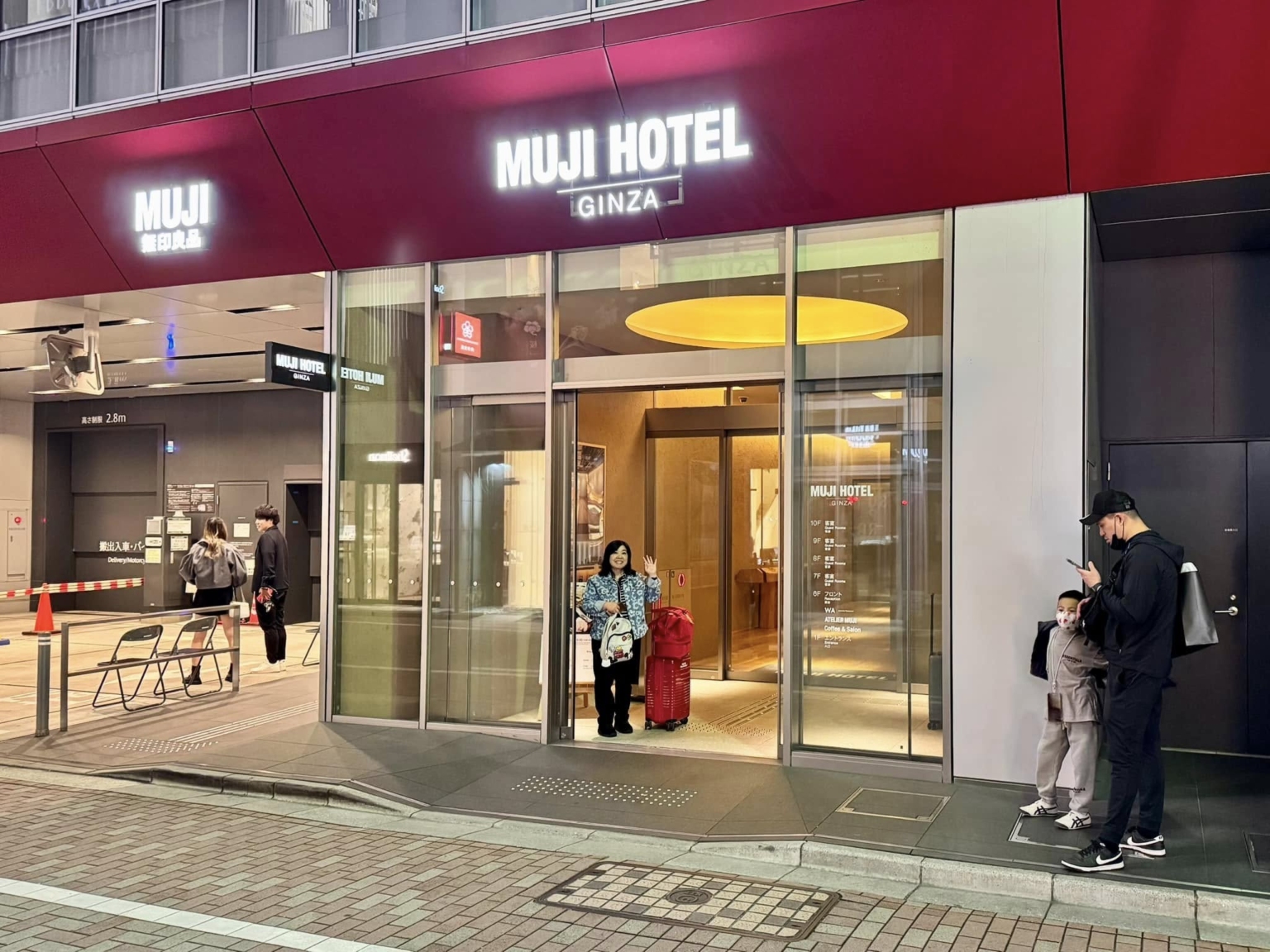
Rooms are compact, deliberately so, with materials and lighting chosen for clarity rather than effect. Staying here feels closer to testing a design philosophy than to checking into a traditional luxury hotel, with rooms priced roughly between £220 and £400 per night.
Few parts of Ginza make daily movement this straightforward. Ginza Station sits close by, department stores dominate nearby blocks, and restaurant options range from basement food halls to long-established counters tucked into narrow buildings.
Space is the compromise. Bathrooms and bedrooms are smaller than many travelers expect at this price point, and there is no attempt to disguise it.
This works well for travelers who treat the hotel as a base between long days outside. It works less well for anyone who wants the hotel itself to be part of the experience.
7. Trunk (Hotel) Cat Street (Best For Shibuya And Harajuku Walking Trips)
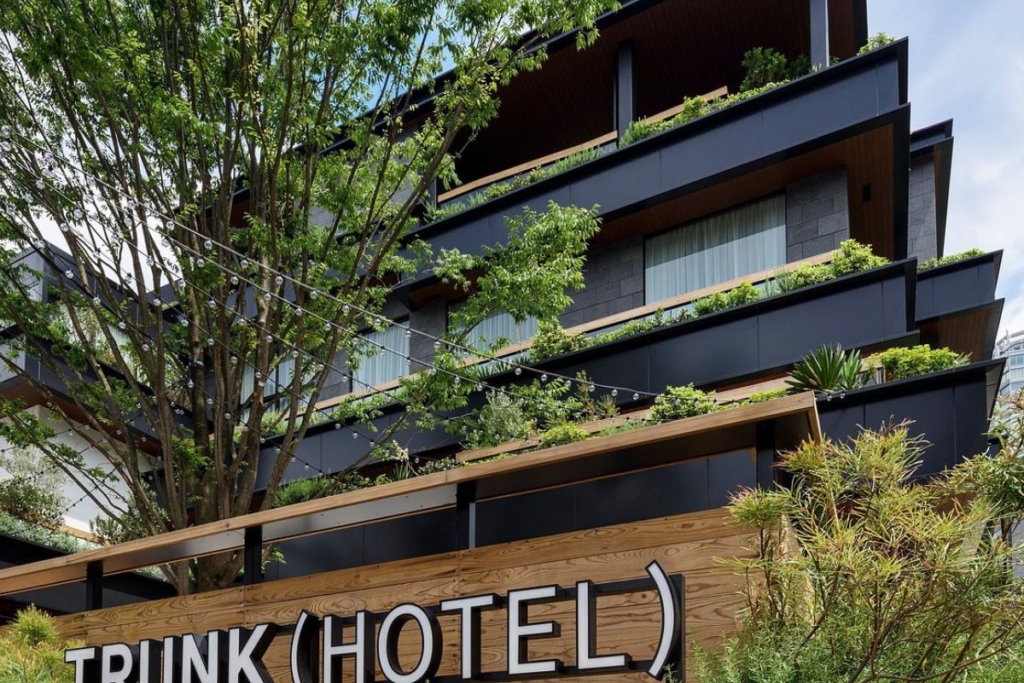
Cat Street positioning creates overlapping walking access zones. Harajuku, Omotesando, and Shibuya are all reachable without rail transfers, which changes how guests structure their days.
Room size variance becomes more noticeable because the £400-£850 per night pricing places the hotel near the full luxury tier, yet the physical space remains closer to boutique scale. Guests frequently contrast this with nearby international chains in Shibuya and Omotesando.
Noise levels are generally low inside the hotel rooms, but ground-floor noise remains noticeable late into the evening due to restaurant and social activity in shared spaces. This is not a hotel for retreat. It works best when the city remains the focus.
6. The Tokyo Station Hotel (Best For Rail Access And Historic Architecture)
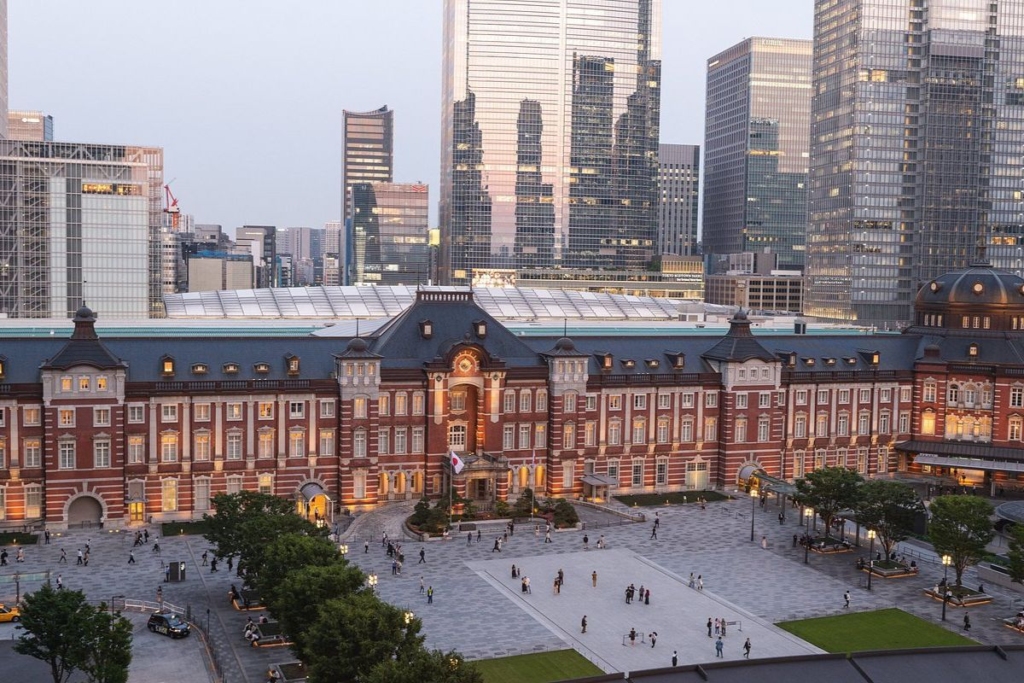
This is one of the few hotels in Tokyo where location and architecture are inseparable. Room selection materially changes the experience here more than in most Tokyo hotels. Dome-side rooms consistently receive stronger reviews due to their direct visual connection to the restored station architecture.
Corridor layout differs significantly between wings. Some sections feel historically atmospheric, while others align more closely with conventional modern hotel design, creating an uneven guest experience.
Noise penetration from the station is minimal inside rooms, but public areas around the building remain active throughout the day due to constant rail flow. Not every room carries the same impact. Some categories feel quieter, even restrained, compared with the hotel’s most distinctive suites. Choosing carefully matters more here than at most luxury hotels.
The appeal is clear to travelers who value movement across Japan as much as they do time spent in Tokyo itself.
5. Mandarin Oriental Tokyo (Best For Dining And Elevated City Views)
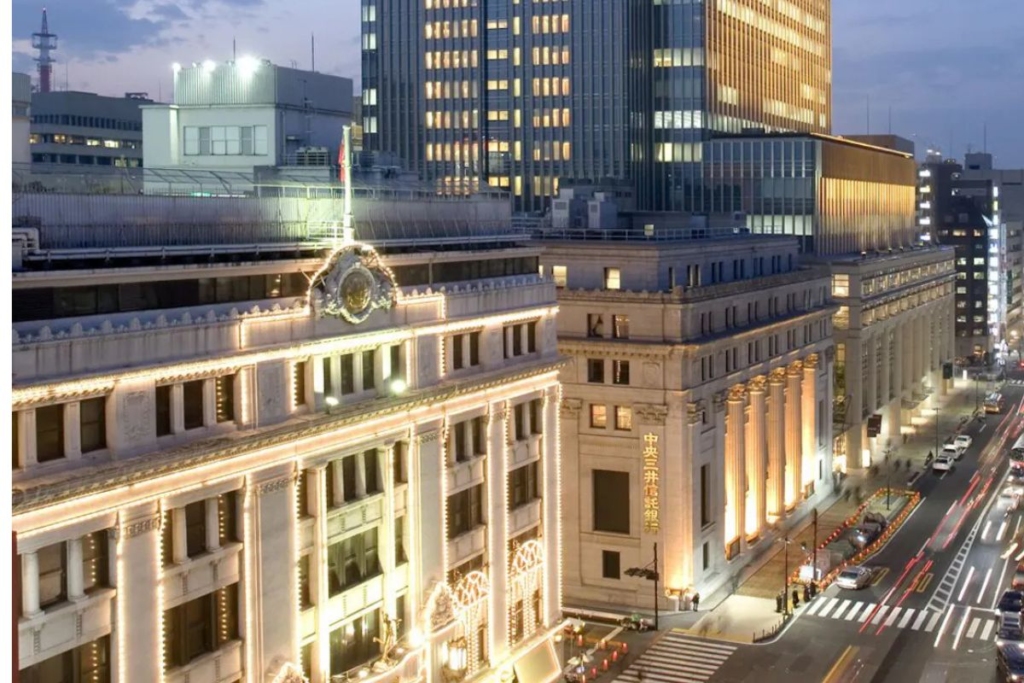
The Mandarin Oriental hovers high above Nihonbashi, framing the financial district in a way that makes it feel deeply layered rather than distant. At £600 to £1,000 a night, this five-star tower keeps you perfectly insulated from the pavement while keeping the neighborhood’s energy completely in view. Evening activity in Nihonbashi remains limited compared with western districts, shaping expectations for dining experience rather than walkable nightlife.
Dining plays a major role here. Guests often come to restaurants as much as they do to rooms, which influences the hotel’s tone. It feels polished, structured, and slightly more formal than more relaxed luxury properties in the city.
The surrounding area is quieter in the evening than Shibuya or Shinjuku. That can feel either grounding or limiting, depending on what you expect from Tokyo after dark.
4. Four Seasons Hotel Tokyo At Otemachi (Best For Skyline Views And Spa Time)
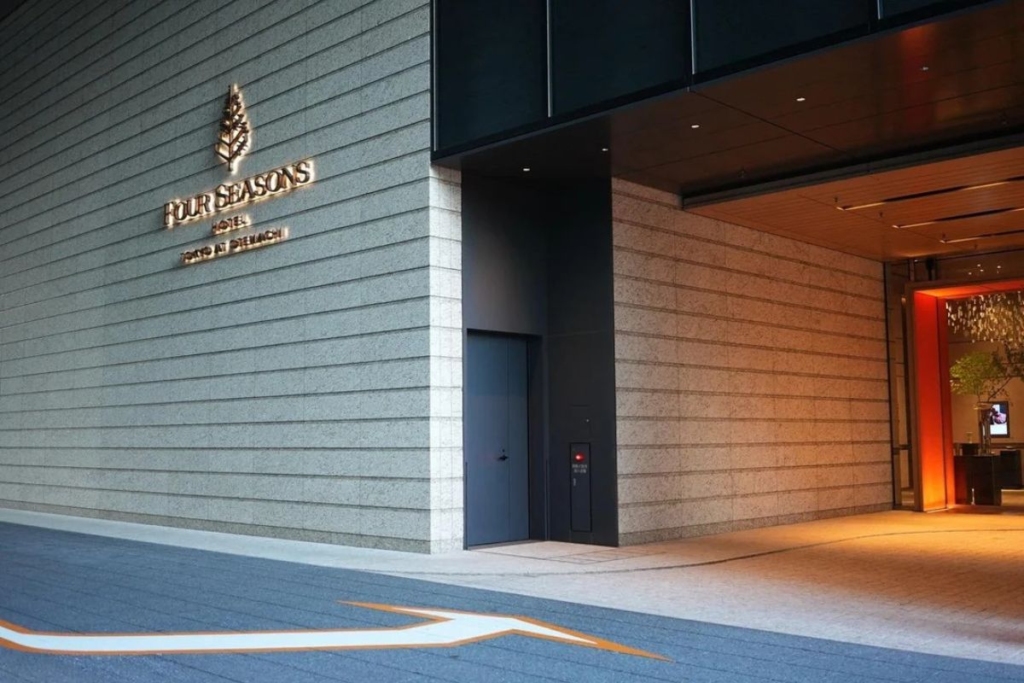
The current critics’ darling, named the number one hotel in Japan in the 2025 Condé Nast Traveler Readers’ Choice Awards. It occupies the top six floors (34 to 39) of the 39-story Otemachi One Tower, with sweeping Imperial Palace and skyline views and direct Otemachi Station access.
There are 190 rooms and suites in a contemporary palette with handcrafted ceramics and textiles; palace-view rooms during cherry blossom season are the move. The 39th-floor spa has a 20-meter indoor pool, a vitality pool, an onsen, and city views from the gym.
Otemachi is a district defined by order, and this hotel reflects it. Service style is often described as more structured and familiar compared with Aman Tokyo, which influences how returning luxury travelers position it in comparisons. After business hours, Otemachi becomes surprisingly quiet.
High floors open onto the Imperial Palace grounds and the wider Tokyo skyline. The spa and pool command a significant share of guest attention, encouraging longer stays in the building rather than constant movement through the city.
Transport is one of its strongest advantages. Otemachi Station sits below the hotel, and Tokyo Station is nearby, making transfers across the city unusually efficient.
What it does not offer is street-level texture. Step outside, and the environment is business-focused, particularly after office hours. Guests looking for spontaneous evenings at small neighborhood bars will need to travel to find them.
Dining is the marquee draw. Est, the Michelin-starred French restaurant under chef Guillaume Bracaval, sources 95 percent of its ingredients from Japanese farmers, fishermen, and foragers, sharing a rooftop terrace with the Italian PIGNETO. The cocktail bar VIRTÙ specializes in vintage French spirits, and the afternoon tea at THE LOUNGE looks over the palace. Four Seasons Otemachi holds three Michelin Keys, the city’s top tier. Best for: business travelers, foodies, and design-minded couples who want the newest grand-hotel polish. The one quirk: Otemachi goes quiet on Sundays, and the entrance is discreet to the point of hiding.
3. Bvlgari Hotel Tokyo (Best For Ultra-Luxury And Skyline Drama)
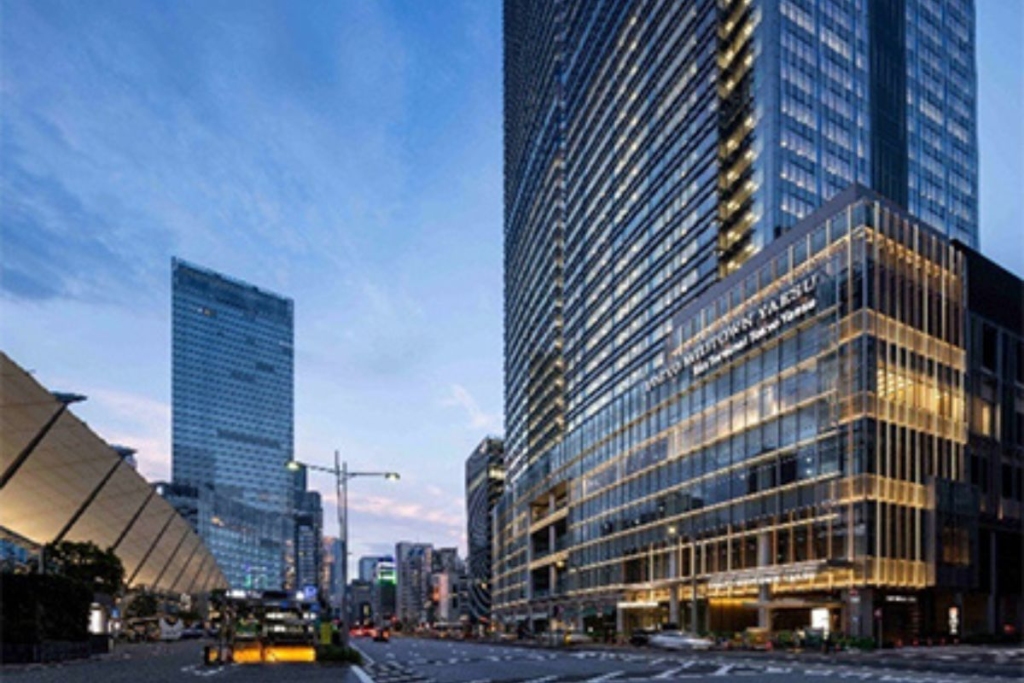
Located at the very top of Tokyo Midtown Yaesu, the hotel feels grand for its incredible height rather than its large open spaces. The city becomes the main visual feature from almost every angle, with interiors designed to frame that view rather than compete with it.
Everything here feels controlled, high-class, and priced between £1,100 and £1,800 per night. Lighting, materials, service rhythm, and public spaces are tightly composed.
Direct street-level interaction is limited despite strong transport connectivity, resulting in a stay that feels visually expansive yet physically contained.
That precision is also its limitation. Guests who want older Tokyo streets, independent shops, or a more layered neighborhood feel will find themselves disconnected from street level.
2. Palace Hotel Tokyo (Best For First-Time Visitors And Balanced Luxury)
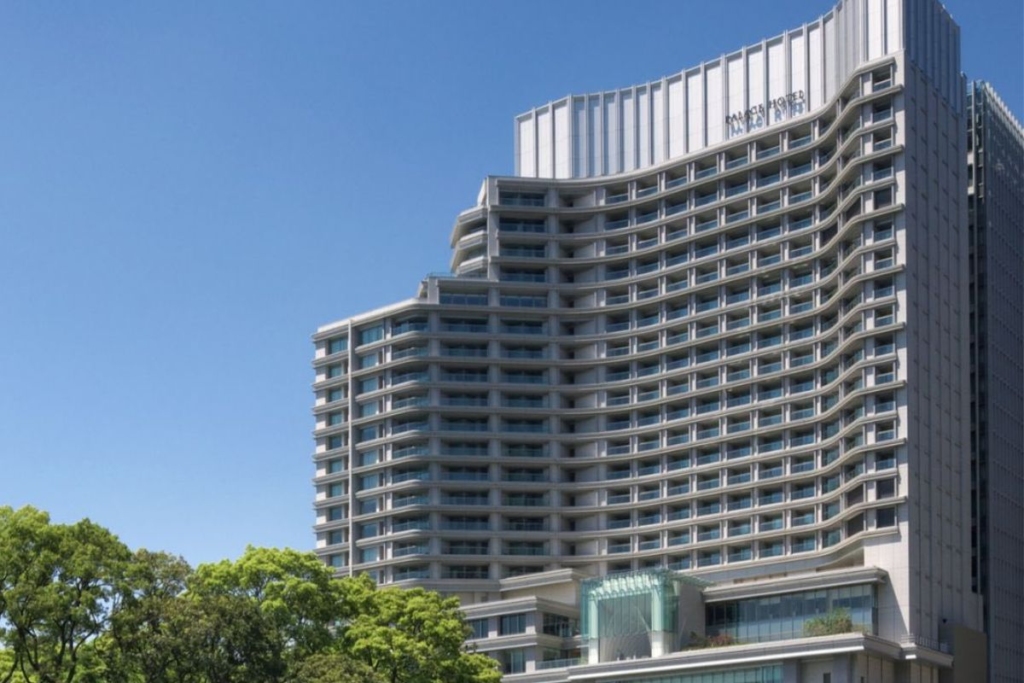
Facing the Imperial Palace moat, it sits in one of the most navigable parts of the city. Taxis are easy to find, Tokyo Station is close, and Ginza sits within short reach. Daily movement becomes simple, which matters more in Tokyo than many travelers expect before arrival.
Balcony rooms appear in reviews as a rare feature for central Tokyo, especially valued during longer stays, where outdoor access changes the perception of the room.
The district remains structured and controlled after office hours, which supports clarity of movement but limits spontaneous evening street activity.
Some rooms in the hotel include balconies ranging from £650 to £1,100 per night, a detail that stands out in a city where outdoor hotel space is rare.
The trade-off is its tone. Marunouchi is efficient and polished, especially at night. Travelers expecting spontaneous street life directly outside the hotel may find themselves taking short rides elsewhere in the evening.
1. Aman Tokyo - Yaesu
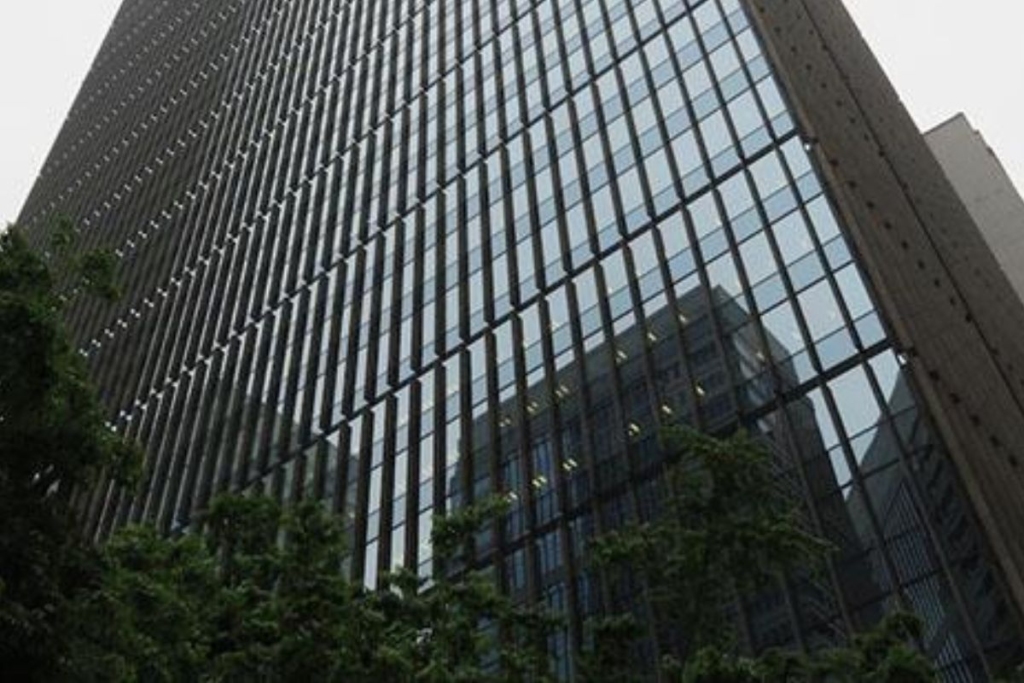
The benchmark for what a tower hotel can feel like. Aman occupies the top six floors (33 to 38) of the 38-story Otemachi Tower, directly connected to Otemachi Station’s five subway lines and a short walk from Tokyo Station and the Imperial Palace gardens.
The late Kerry Hill designed it, and the lobby remains the most quietly theatrical arrival in the city: a roughly 30-meter atrium under a giant lantern of backlit washi paper, with an ikebana display, stone, and camphor wood arranged like the interior of a traditional house scaled up to cathedral size.
There are 84 rooms, large by any city’s standard and enormous by Tokyo’s, ranging from 71 to 157 square meters. Every room has a deep stone furo bath set by floor-to-ceiling glass, shoji screens, and an engawa-style sitting platform.
The 157-square-meter Aman Suite is the top room; the City Suites from 121 square meters are the sweet spot for most. The 2,500-square-meter Aman Spa is among Tokyo’s largest, with onsen-style baths, a 30-meter pool ringed by city views, and yoga and Pilates studios.
Dining is the honest weak spot relative to the room and spa. Arva serves Italian under Venetian-trained chef Masakazu Hiraki, and the eight-seat Musashi by Aman does Edomae sushi at a hinoki counter. Both are good; neither is a destination on the level of the city’s best, and some return guests grumble that the food doesn’t match the setting. Café by Aman, in the Otemachi Forest at ground level, is a lovely lunch. Aman holds two Michelin Keys and is on essentially every best-of list.
Best for: design pilgrims, couples, and anyone who wants the calmest possible base in the financial core. Rates generally start around ¥250,000 and climb steeply; the breakfast-inclusive packages run from roughly ¥405,000 for two. Best room: a City Suite or Garden View Suite.
Frequently Asked Questions
What area has the best hotels in Tokyo for a first visit?
Marunouchi, Otemachi, Ginza, and Nihonbashi tend to work best for a first stay because movement is straightforward and access to stations reduces daily friction. Taxi routes are predictable, and most major lines connect cleanly through Tokyo Station. Shinjuku and Shibuya sit on opposite ends of the experience, where nightlife, density, and station complexity become part of the stay rather than something to avoid.
Is Ginza or Shinjuku better for hotels?
Ginza feels more controlled, with clearer streets, easier restaurant bookings, and a layout that remains easy to understand even at night. Shinjuku runs on volume and movement, with later dining, heavier transport links, and a station environment that can feel overwhelming on first arrival. The choice usually comes down to whether the trip prioritizes dinner reservations and ease of walking or late-night flexibility and constant activity.
Is it better to stay near Tokyo Station?
Staying near Tokyo Station makes rail travel across Japan significantly easier, especially for bullet train departures and airport transfers. It also places you close to the Imperial Palace and within a short taxi ride of Ginza. The trade-off is atmosphere, since evenings in Marunouchi and Otemachi tend to feel structured and quiet rather than street-led or social.
Which hotel should I book for one night before a train?
The Tokyo Station Hotel remains the most direct option because it removes almost all transfer friction, especially for early Shinkansen departures. Hotel Metropolitan Tokyo Marunouchi also works well for travelers who prioritize simplicity over a heritage atmosphere. Both prioritize rail access over nightlife or leisure time, which matters most for short, movement-heavy stays.
A Final Note
Tokyo is a metropolis split into distinct rail-bound fiefdoms. It is the kind of city where the thickness of your mattress matters significantly less than the specific station exit numbers printed on your hotel’s arrival map.
A single station choice quietly decides how much of your day is spent underground, how many transfers you absorb, and how often you reset your bearings before dinner. Marunouchi and Otemachi keep that system contained, with Tokyo Station, Otemachi Station, and the surrounding rail web turning arrivals into short, predictable walks.
Among these ten urban hideaways, Aman Tokyo wins on its ability to halt the city’s frantic momentum. The Palace Hotel wins on the rare pleasure of open-air terraces over the palace’s water lines. The Gate Hotel Kaminarimon wins on raw cultural value for early risers. In contrast, Trunk Hotel, Cat Street, wins out for its architectural social scene that feels entirely detached from generic luxury chains.