
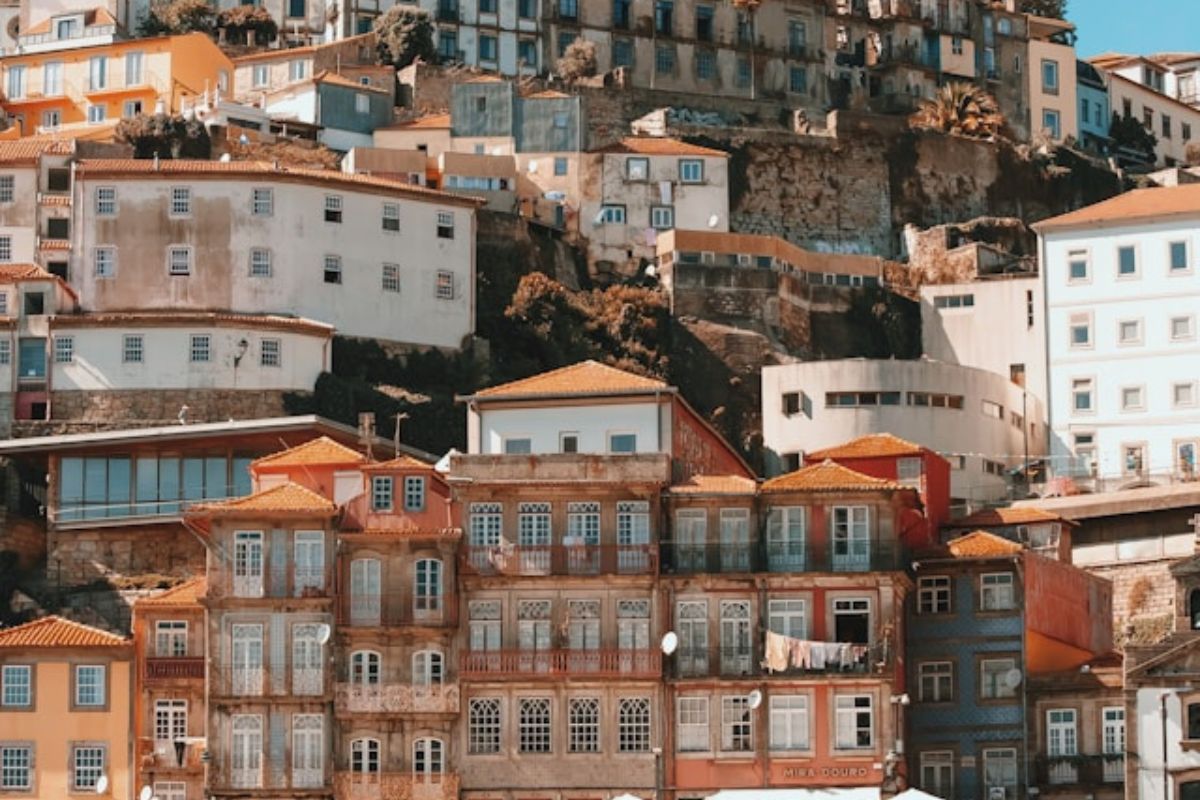
A Porto city break works best when you accept one fact early on: Porto is compact, but it isn’t flat. The whole city sits on a highland, with steep streets above the Douro river, so yes, you’ll be going up and down. A hotel that looks “central” on a map can still leave you climbing back after dinner. This matters more than star ratings, especially on a short trip. Most people plan a weekend in Porto the wrong way round. They see tiled churches, river views, and port cellars, then book the prettiest hotel they can afford. The problem comes later, usually after the second steep climb or the third crowded riverside meal.
A Porto city break is not hard to plan. It just needs smarter choices. The old center is small enough for two or three days, but the hills punish poor hotel picks. Gaia looks separate on a map, but the wine lodges and river views may make it a better base for some couples. Foz looks close, but it changes the trip from a city break into a half-seaside stay.
The map tricks people. Porto looks easy because the old center is closely packed. The slopes change the trip. Ribeira looks like the first answer, but Aliados, Bolhão, or Rua das Flores often work better for first-timers. Gaia looks separate, but it gives the port lodges and the best view back toward Porto.
The better plan is knowing where to go, what to skip when time is tight, and where the crowds change the mood.
Porto Reality Check and What the Photos Do Not Tell You
The old center drops toward the Douro. A route that feels easy downhill in the morning feels different after dinner. Wear shoes with good grip. Check the slope beside your hotel. Look at the nearest metro stop, not only the distance to Ribeira.
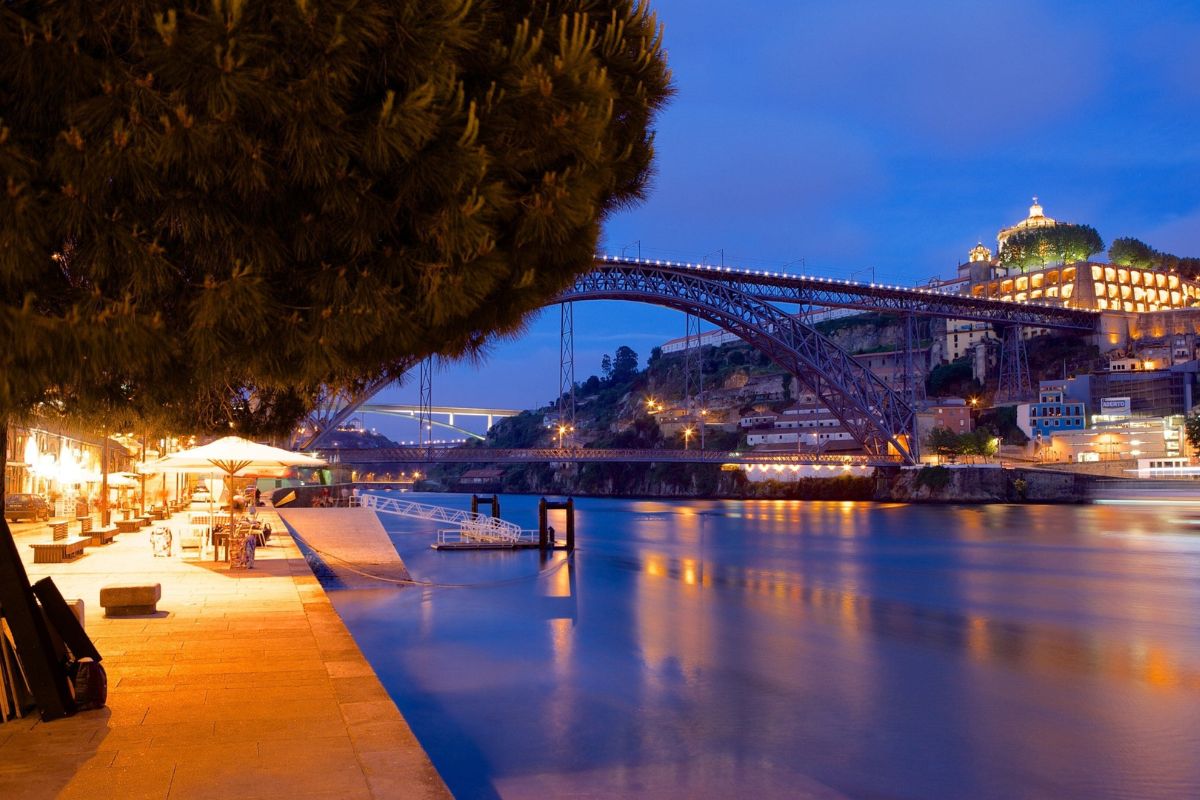
Ribeira is the riverfront zone most visitors picture first. It gives you the Douro, Gaia, the bridge, and the old quays. It also brings crowds, pressure on restaurants, and noise during busier months.
Baixa, Aliados, and Bolhão are more useful for your first city break in Porto, Portugal. These areas put you near transport, shops, food, and the upper part of the old center. You lose the river outside the door, but you gain easier movement. Rua das Flores is a useful middle. It links São Bento with the lower old center and Ribeira. A hotel here places you inside the walking loop without forcing every night to end at the river.
Gaia sits across the Douro, but visitors use the riverfront as part of the same short break. This side has the port lodges, WOW, sunset viewpoints, and several hotels with the stronger skyline view.
Foz and Matosinhos change the trip. Foz sits where the Douro meets the Atlantic. Matosinhos is stronger for grilled fish and beach air. Both make more sense with three nights or more. They are weaker bases for a first two-night stay.
Airport transfer is simple if your hotel is near the metro. Porto Airport lists Line E as the airport link, with service every 20 or 30 minutes, depending on time and day. Porto Card’s airport guide gives the ride to Trindade at roughly 30 minutes.
Porto’s tourist tax is included in the cost. The city lists the municipal tourist tax at €3 per overnight stay. The city leaflet lists a maximum charge of seven straight nights.
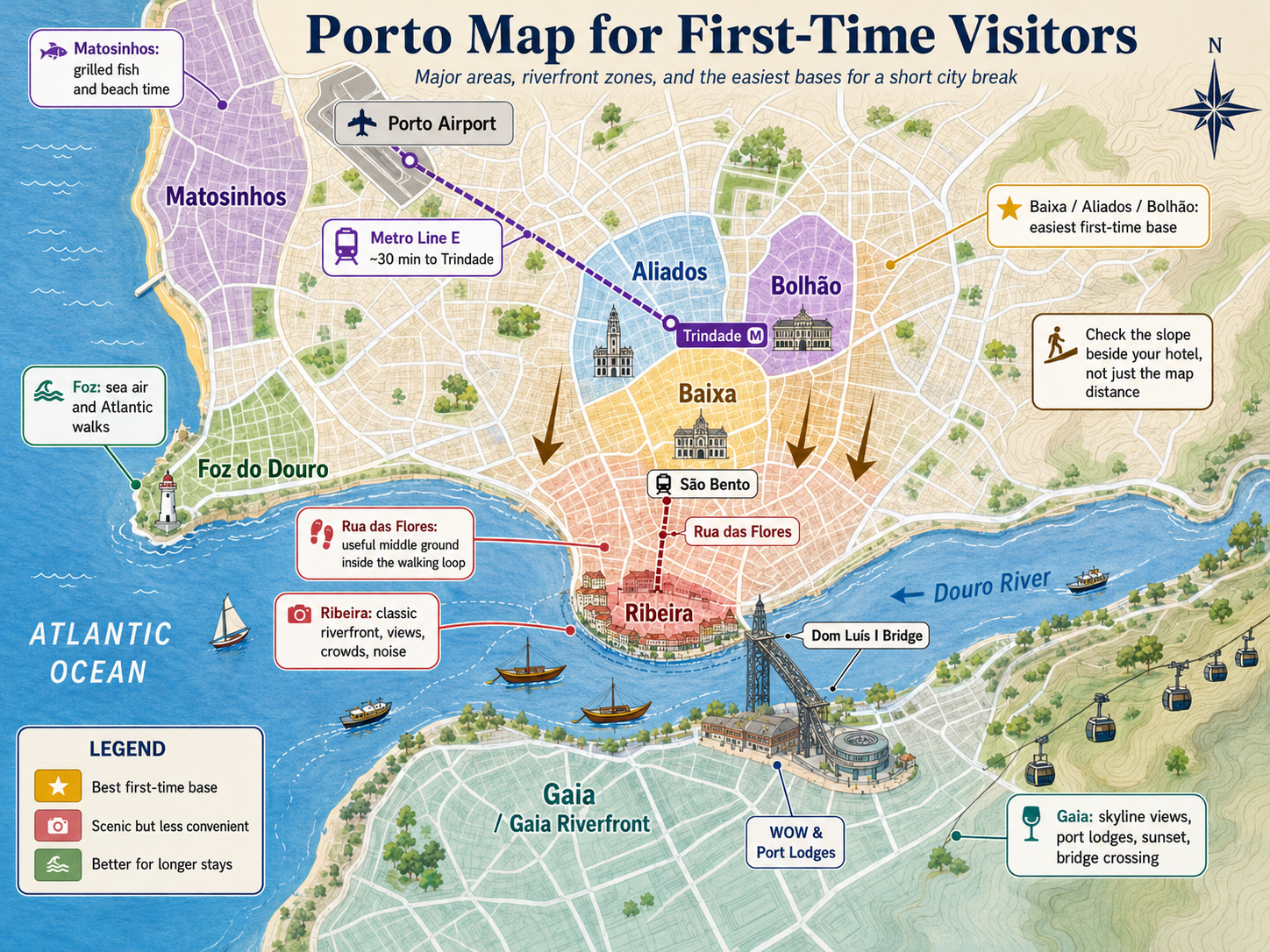
Porto Neighborhood Comparison
| Area | Best for | Main catch | Best hotel style |
|---|---|---|---|
| Baixa, Aliados, Bolhão | First-timers, food, metro access | Less river drama | Smart city hotels |
| Ribeira | Views, short romantic stays | Crowds and noise | Historic river hotels |
| Gaia riverfront | Port lodges, sunsets, bigger rooms | Bridge crossing daily | Spa and view hotels |
| Cedofeita, Bonfim, Foz | Longer stays, calmer evenings | Less handy for first-timers | Boutique hotels |
A Practical 3 Day Porto Itinerary

A good Porto itinerary should move in a loop. If you plan it as random stops, the hills will punish you. Start high, drop toward the river, cross to Gaia, climb for sunset, then return through the old centre. The next day, work the upper city first, then curve west or north for food and quieter streets.
This plan is designed for a three-day Porto city break. It gives you the main sights, a smart walking order, food stops, wine choices, and honest points where you should slow down or skip something.
Day 1: São Bento, the old centre, Ribeira, and Gaia
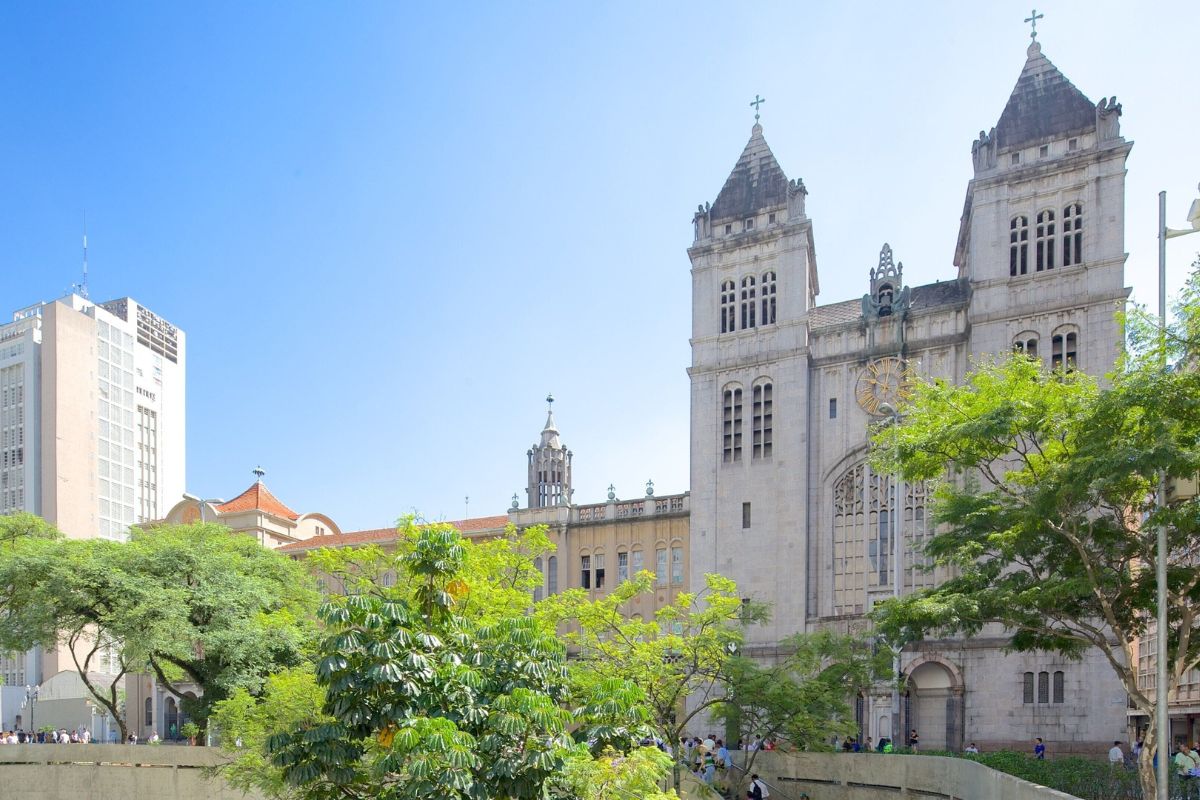
Start Day 1 at São Bento Station. It is the best first anchor in Porto because it puts you close to the old centre, the cathedral, Rua das Flores, and the walk down to Ribeira.
Do not rush out of the station. Step into the main hall and look at the azulejo panels before the crowds build. The tiles depict scenes from Portuguese history and daily life, giving the city a proper opening scene.
From São Bento, walk toward Porto Cathedral. The route is short, but it starts to teach you Porto’s shape. Streets rise and fold. Corners open into views. The cathedral itself is not the most delicate building in the city, but the terrace outside gives you one of the best first looks over the old roofs and the Douro.
After the cathedral, do not go straight to Ribeira yet. Take a slow drop through the old streets. This is where Porto feels least tidy and most real. Walk toward Rua das Flores if you want a gentler route with cafés, shops, and restored façades. Use it as your soft landing before the river.
By late morning, stop for coffee and something small. If you want a classic café pause, look around Rua das Flores or near Largo de São Domingos. Keep it light. Lunch will matter more later. A small pastry, espresso, and water are enough.
From Rua das Flores, continue downhill toward Ribeira. This is where the city narrows, then suddenly opens at the river. Cais da Ribeira is busy, bright, and over-photographed for a reason. The houses stack up behind the waterfront, Gaia sits across the water, and the Luís I Bridge frames the whole view.
Spend time here, but do not make the riverfront your main lunch plan unless you have checked the restaurant properly. Some riverside places sell the view harder than the food. For a quick stop, have a drink or a small plate. Save your best meal for Gaia, Bolhão, Cedofeita, or Matosinhos.
Walk along the river toward the lower deck of the Luís I Bridge. Cross slowly into Gaia. The lower deck gives you a close view of the Douro, the boats, and the riverfront. It also avoids the upper deck’s height if you dislike exposure.
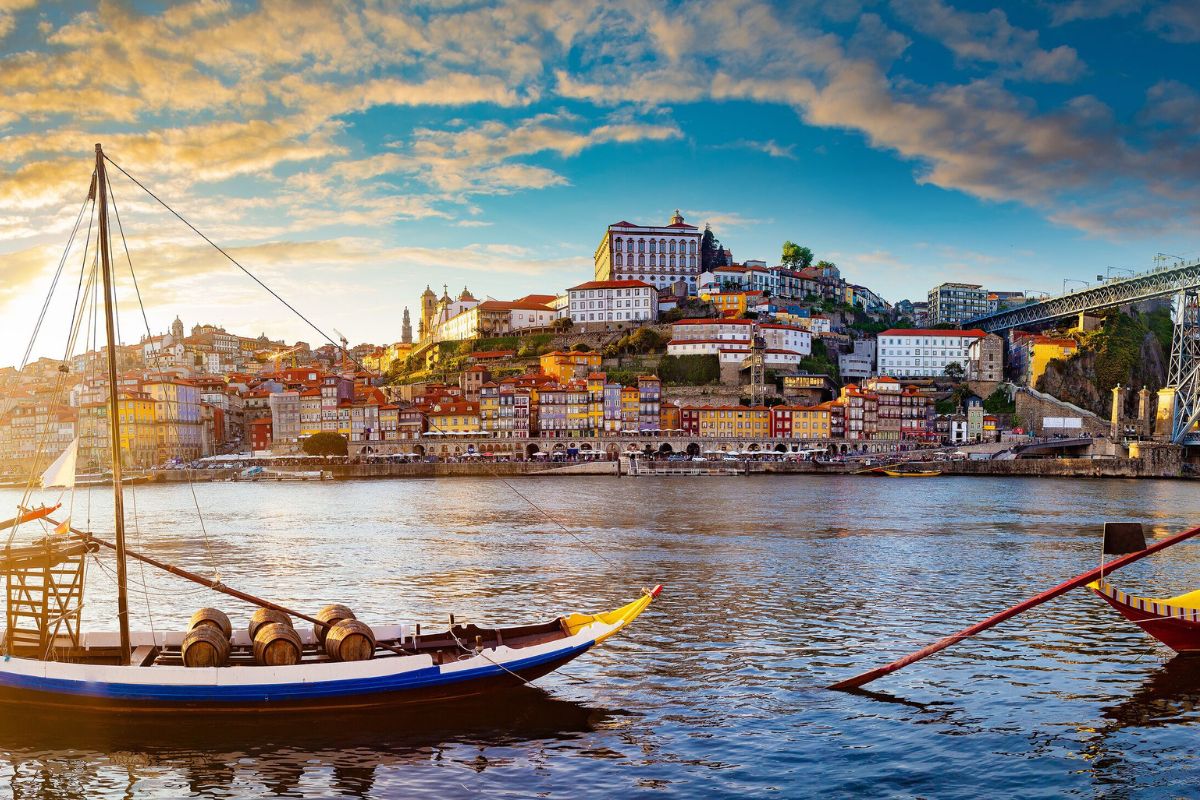
Once in Gaia, turn right and walk the quay. This is where the port wine side of the trip begins. You will see the old port lodge names across the hillside: Taylor’s, Graham’s, Sandeman, Cálem, and others. Do not try to visit three. One good port experience is better than a rushed tasting crawl.
Choose Taylor’s if you want a self-guided cellar visit and a simple, polished introduction to port. It works well for first-timers because you can move at your own pace. Choose Graham’s if you want a more structured lodge visit and do not mind going farther uphill. Choose WOW if the weather is poor or your group wants museums, food, and wine in one place.
For lunch in Gaia, keep it close to your wine plan. If you are doing Taylor’s, eat before or after nearby rather than walking back and forth across the quay.
After the cellar visit, do not return to Porto too early. Gaia is where the late-day light works best. Walk up toward Jardim do Morro or Serra do Pilar before sunset. This is the part of the loop that makes the climb worth it. You look back across the bridge, Ribeira, and the old city.
If your legs are a bit tired, use the cable car from the Gaia riverfront, toward Jardim do Morro. It costs more than walking, but it kind of lets you skip the steepest part of the climb and also gives a different angle on the river, like you get to see it sideways.
At sunset, take a moment to decide where dinner should happen.
For dinner, try not to pick only places with a river view. A better idea is one of these options:
- Have petiscos and wine at Gaia if you want something lighter and more laid-back.
- Head back toward Rua das Flores or Largo de São Domingos if you want to stay central, close to everything.
- Go toward Bolhão or Bonfim if you want better value and fewer tourist menus.
- Try a Francesinha only if you are truly hungry. It is not a light dinner. It is bread, meat, sausage, cheese, sauce, and often fries.
End the night with a short walk, not another major climb.
Day 2: Livraria Lello, Clérigos, tiles, Bolhão, and proper Porto food
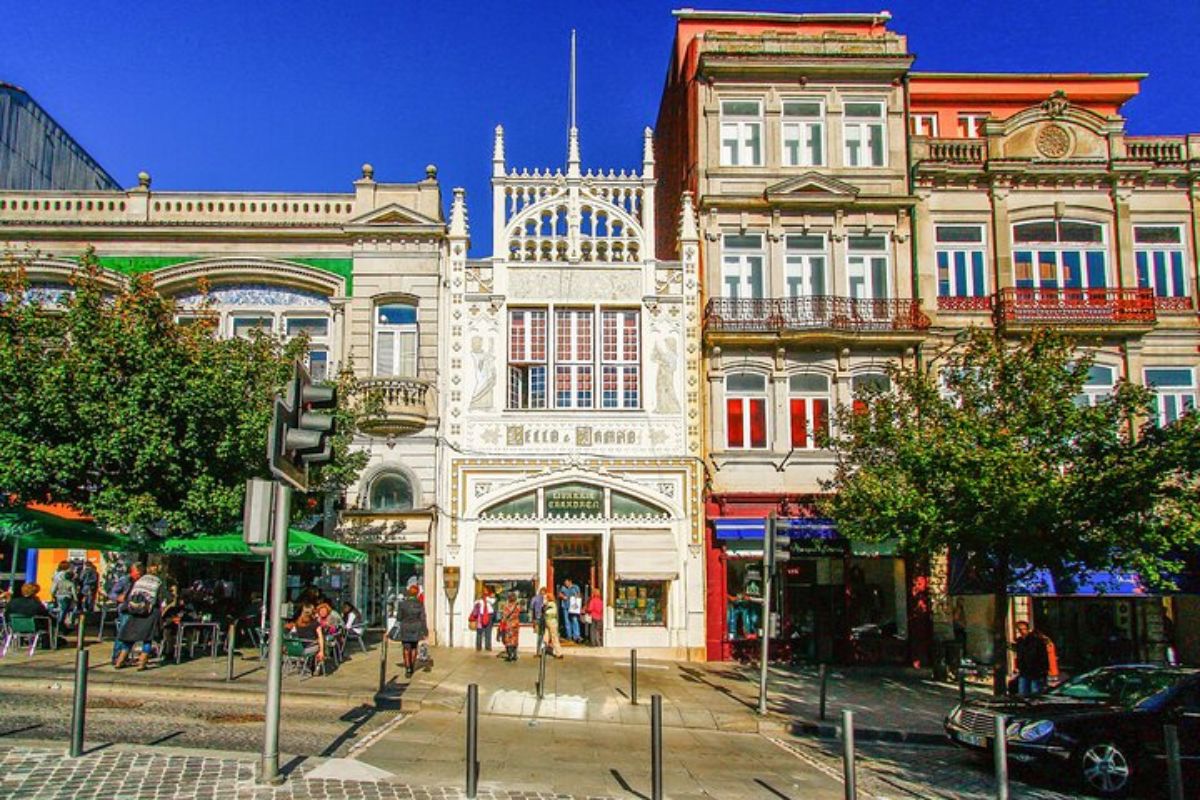
Day 2 should start high again. Do the busy indoor sights first, then loop through tiles, viewpoints, food, and calmer neighborhoods.
Start with Livraria Lello, the building is building is aesthetically pleasing, but the visit often feels crowded. If you love bookshops, stained glass, or staircases, go early. If queues drain you, skip it and spend the time at Clérigos, Bolhão, or Palácio da Bolsa.
Livraria Lello opens from 9:00 am to 7:00 pm. The official site points to lunchtime and late afternoon as lower-pressure periods. That leaves two practical choices: go at the opening or go later, when many visitors are eating.
From Livraria Lello, walk to Igreja do Carmo and Igreja dos Carmelitas. The side wall of Igreja do Carmo is one of Porto’s better tile stops. Keep it quick. Porto has tiles across the center, and some are best seen as you move.
Next, walk to Clérigos Tower. Climb it if the sky is clear. Skip it if the weather is poor or your legs are done. The view matters less in haze or rain.
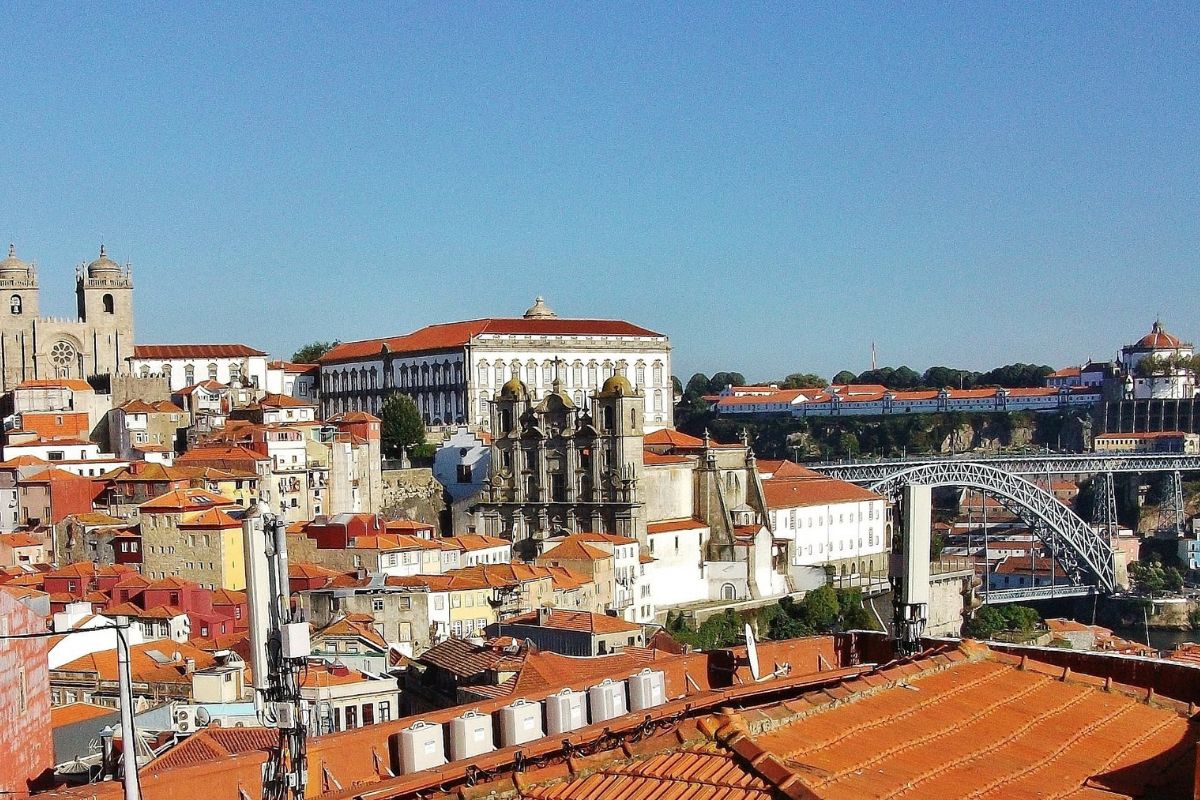
After Clérigos, walk toward Miradouro da Vitória. This viewpoint is rougher around the edges, but it gives you the river, Gaia, rooftops, and the bridge in one frame. It is a useful pause before dropping lower again.
From here, move toward Palácio da Bolsa. This is the best bad-weather stop on the route. The official visit is guided and lasts 30 minutes. The Arabian Hall is the room most people remember, but the building also reflects Porto’s former mercantile power.
For food, do not default to Ribeira because it is nearby. Walk back toward Bolhão if you want better food options. Mercado do Bolhão works well for snacks, and a casual lunch without a long restaurant stop.
In Bolhão, keep it simple: cheese, cured meat, olives, codfish bites, tinned fish, pastries, wine by the glass, or a sandwich. It suits travelers who want several small tastes instead of one heavy meal.
Dinner on Day 2 should be away from the river. For Francesinha, pick a known central place and go hungry. Treat it as a meal.
For seafood, take the metro or a taxi to Matosinhos. Rua Heróis de França is the practical target for grilled fish restaurants.
For a lighter dinner, stay in Cedofeita or Bolhão and order petiscos, soup, cod, or grilled meat. End the day with a drink near Aliados or Cedofeita for an easy return. Do not drag yourself back to Gaia unless you sleep there or missed sunset on Day 1.
Day 3: Choose one outer loop, sea, art, or the Douro
A third day in Porto should not repeat the first two. Leave the city’s center and choose one outer loop. Do not try to do Foz, Serralves, and the Douro Valley on the same day. That turns a good city break into a transport chore.
How to Choose Your Third Day in Porto
| Outer loop | Best for | Main cost | Skip if |
|---|---|---|---|
| Foz and Matosinhos | Sea air and seafood | Extra ride from centre | Weather is poor |
| Serralves and Foz | Art, gardens, slower pace | Museum time and ticket cost | You want only classic sights |
| Douro Valley | Wine country | Full day and early start | You only have two days |
Option 1: Foz and Matosinhos for sea air and seafood
Choose this if you want the Atlantic side of Porto. Start late and move slowly. Take a tram, bus, taxi, or rideshare to Foz do Douro. The old center feels dense and vertical. Foz feels open and windier.
Walk the seafront. This part of the day is about space, not monuments. Stop for coffee near the water, then continue north if the weather suits.
For lunch, push on to Matosinhos. This is the best food reason to leave central Porto. The area is known for seafood and grilled fish, especially around Rua Heróis de França. The smell of charcoal and fish often tells you where to stop before the menu does.
Order simply. Sardines in season, sea bass, bream, octopus, clams, or seafood rice all fit better than another heavy sandwich. After lunch, walk by Matosinhos Beach or return to Porto for a quiet final evening.
This option is best for food lovers, repeat visitors, summer trips, and travelers who need a break from the hills. Skip it if, you only have two days or the weather is poor.
Option 2: Serralves and Foz for art, gardens, and a slower final day
Choose this if you want a calmer break from the old center.
Start at Serralves. Give it real time. The museum, gardens, and park do not reward a rushed stop. Serralves lists a full ticket at €20 and park-only access at €12 on its current visit page. Check the page before booking, because prices and exemptions change.
The museum will suit some travelers more than others. If modern art does not interest you, the gardens might still be enough. The park is the reason many visitors enjoy the stop even when the exhibitions do not appeal to them.
After Serralves, head to Foz for lunch or a late coffee. This creates a clean west-side loop: art first, sea second, then back to the center. It is easier than a full day in the Douro Valley.
Eat something lighter here. Fish, soup, salad, pastries, or a long coffee near the water all make sense. Save your final proper dinner for the center if you want one last old-city night.
This experience is best for couples, art lovers, families, and travelers who want fewer crowds, you know the vibe. Skip it if you only want the classic Porto sights, not that other side.
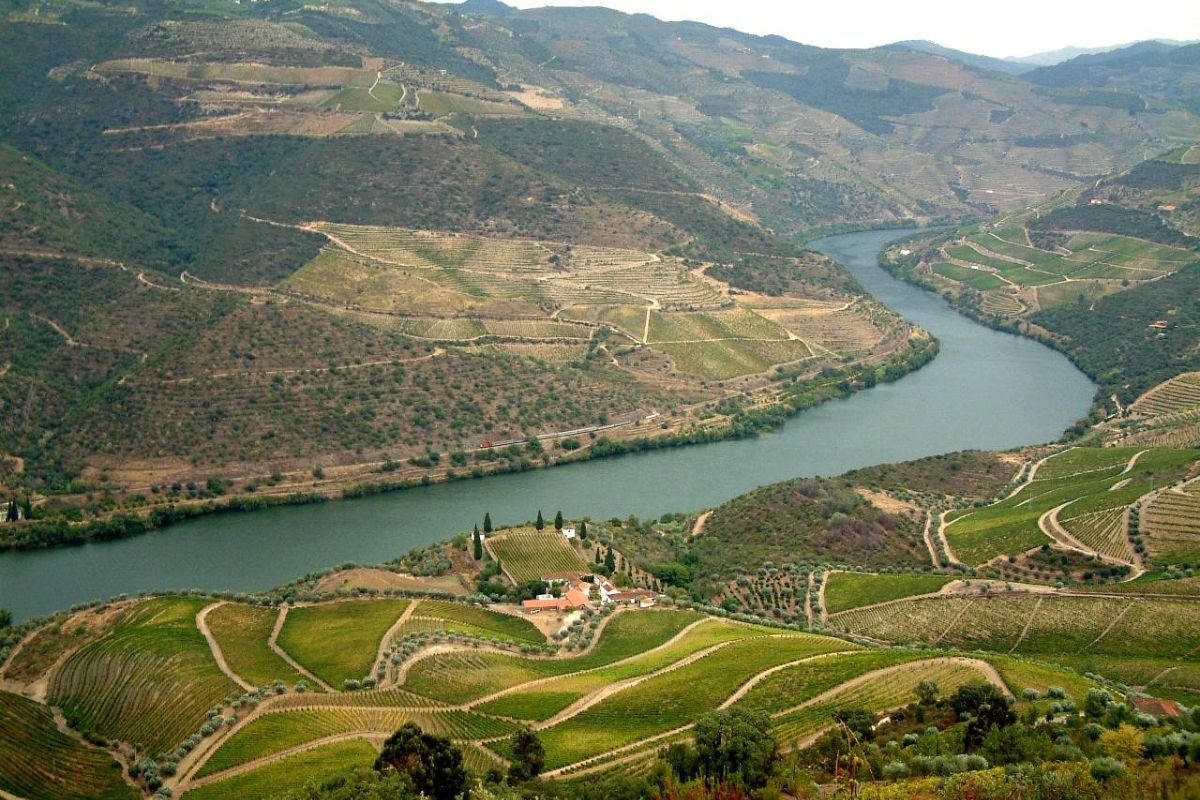
Option 3: Douro Valley day trip if you have roughly three nights, not two.
Pick this only if you have a full day. The Douro is not some casual two hour add on, it really asks for an early start and a calmer mindset.
The simplest independent plan is train-based. Go from Porto toward Peso da Régua or Pinhão, grab lunch somewhere in the valley, pop into a quinta you arranged ahead of time, then go back before nightfall. Pinhão gives a stronger wine-country feel, but it usually takes more time. Régua is easier.
Do not plan a Douro day after a late night in Gaia. Do not schedule it on departure day unless your flight is late and you accept the risk.
If you want the valley without planning, book a small-group day trip with transport, lunch, and winery stops. It costs more, but it removes timetable stress.
Ranked Hotel List for a Porto City Break
Use this list as a practical filter, not just a hotel ranking. The right choice depends on whether you want old-city access, Gaia views, boutique character, family space, spa time, or a reliable central base.
1. PortoBay Flores, best overall for first-timers who want the old city without riverfront stress
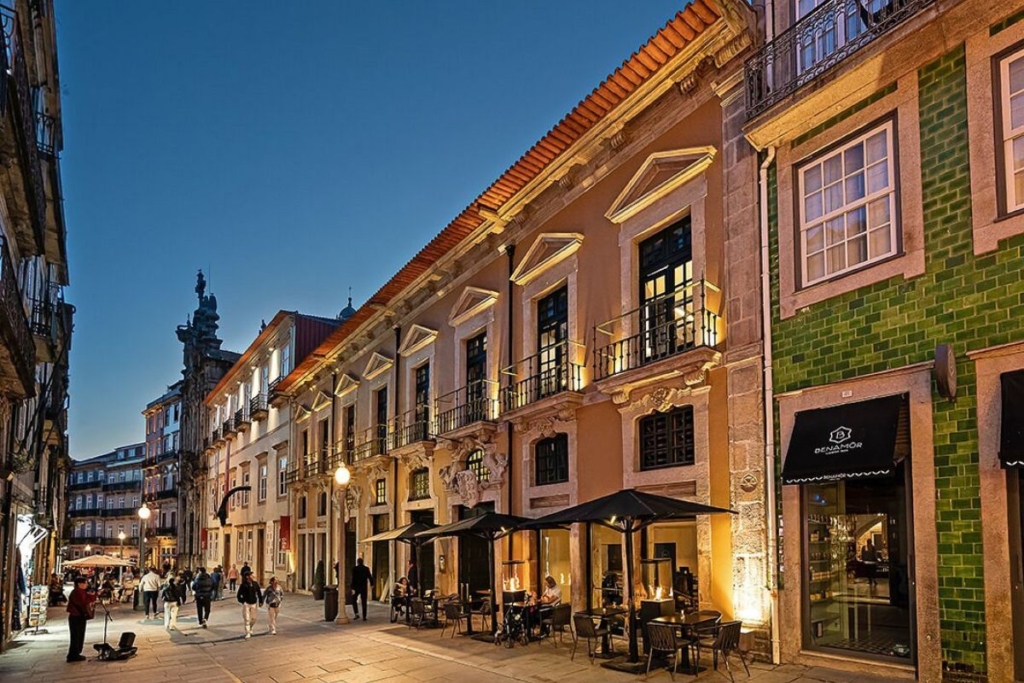
PortoBay Flores is the safest first choice because its location solves Porto’s main short-break problem. You are close to the river, but you are not sleeping inside the loudest riverside lanes. São Bento, Rua das Flores, Clérigos, and Ribeira all sit within the natural walking loop.
The hotel sits on Rua das Flores, one of the most useful streets in the historic center. There are cafés and shops nearby, and the walk links are easy by Porto standards. The hotel has 66 rooms and suites, a restaurant, a bar, a spa, a gym, and a small indoor pool with natural light.
A Classic room in the hotel starts from €265, while a Classic Twin room costs between €304 – €338. The Superior category starts from €296.
Those numbers put PortoBay Flores above the basic city-break tier. The question is whether the location earns it. For many first-timers, yes. You pay more, but you avoid the worst riverfront noise and the weakest long-walk choices.
Do not book it expecting every bedroom to feel like an old palace suite. Some rooms are modern and simpler than the public areas suggest. Room choice matters. If the atmosphere is part of the price, check the exact category before paying.
The Classic room is the sensible entry point if you want the location first. The Classic Twin helps if you need separate beds or space for a third person. The Superior category makes more sense if a small rate increase yields better lighting, size, or floor position.
PortoBay Flores works for first-timers, couples, solo travelers, and anyone who wants a single hotel choice to make the rest of the trip easier. It is weaker if you want full river views from bed or the lowest central rate.
2. The Rebello, best for river views, space, and a slower Gaia stay
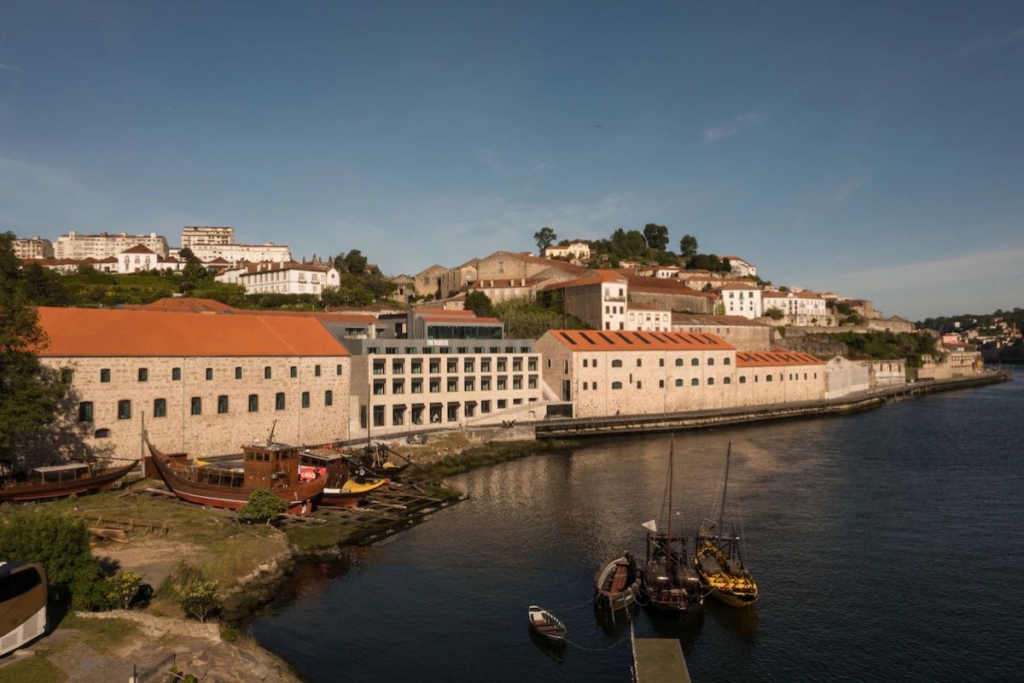
The Rebello is for travelers who want Porto in front of them. That is the reason to stay across the river in Gaia.
The lowest recent one-night rate for two adults sat around €196. Extra costs matter here too: breakfast costs around €25 per adult, the airport shuttle around €35 per vehicle, and parking around €25 per day.
The daily question is the bridge. In good weather, crossing into Porto feels like part of the trip. In the rain, after dinner, or with tired children, it becomes work. The lower deck of the Luís I Bridge keeps Gaia connected to Ribeira, but you still need to factor in the walk.
This is not the hotel for someone who wants São Bento within five minutes. It is better for wine lodges, river light, rooftop drinks, and slower mornings. Gaia also puts WOW, Taylor’s, Graham’s, and Sandeman on your side of the river.
3. Torel Palace Porto, best boutique stay for couples who want character near the center
Torel Palace Porto is a better fit for couples than for travelers who only need a bed near the sights. It has a more personal feel than larger city hotels, and the location keeps you near the old center without placing you in the loudest Ribeira lanes.
You are close enough to walk to São Bento, the cathedral, Ribeira, and the bridge. You remain central, but the hotel does not sit in the busiest riverfront traffic. That balance matters on a short trip.
The official site mentions 24 rooms and suites, plus a restaurant, a pastry shop, and even a swimming pool, and then says Michelin notes the building dates back to 1861. This all works well for birthdays, anniversary trips, and first time visits, where the hotel should feel picked and cared for, kind of like it was selected on purpose.
Recent one-night rates for two adults tend to range from $308 to $363, including taxes and fees, depending on the day you check in. Older travel trade rate ranges have also put the place in a wider band, from about $115 to $459, which sort of shows how those specific dates shift the overall value.
Read that price carefully.
Around the low $300s, Torel Palace becomes a boutique decision, not a simple bed decision. You should want the smaller scale, the central position, and the room character. If the cheapest room feels tight for your needs, compare a higher category against PortoBay Flores or The Rebello before paying.
Torel Palace does not win out on huge rooms, resort facilities, or a riverfront theatre. It wins through a smaller-scale stay near the center.
Based on available feedback and official property information, staff, breakfast, room design, and calm are the main strengths. The useful caution concerns expectation. This is a boutique city hotel, not a resort.
Choose a higher category if space is a concern. Entry rooms feel less rewarding when rates climb.
4. Pestana Vintage Porto is best for the Ribeira riverfront stay.
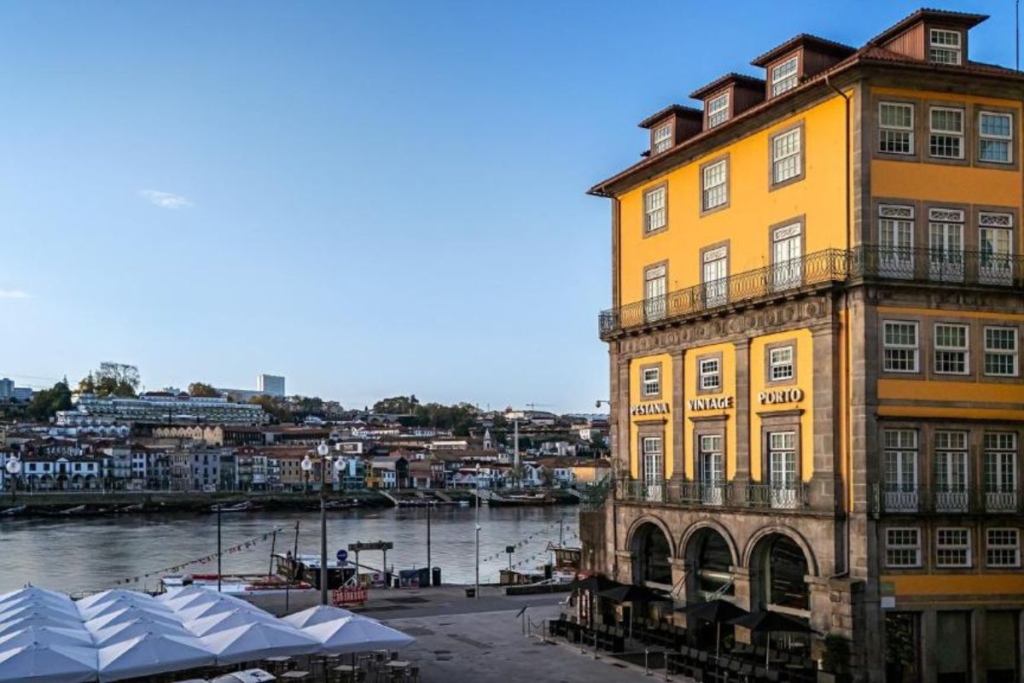
Pestana Vintage Porto suits short stays, river-view seekers, and travelers who care more about atmosphere than metro access. It is weaker for light sleepers, older travelers who dislike climbs, and anyone who wants easy access to taxis at all hours.
Recent room-type rates placed Classic rooms at about $150, Superior rooms at about $190, Standard rooms at about $212, Double rooms at about $274, and Deluxe rooms at about $295. Those prices clearly indicate the booking decision. The lower categories buy Ribeira access. The higher categories make more sense if they secure the river-facing experience you came for.
The setting has force. You step out and meet the quay, the bridge, outdoor tables, and the route across to Gaia. For a one-night or two-night romantic stay, the setting might justify the rate.
It also tests patience. Ribeira is busy during the day and lively at night. Tour groups, restaurant terraces, and river traffic come with the address. Do not book this hotel expecting a quiet local quarter.
The best rooms are those with a riverfront location. A Douro-facing room changes the stay. A back-facing room weakens the value because the point is the setting.
Use this hotel for a special short stay. For a longer Porto Portugal city break, a calmer base higher up may serve you better.
5. Torel Avantgarde, best for design, views, and hotel time
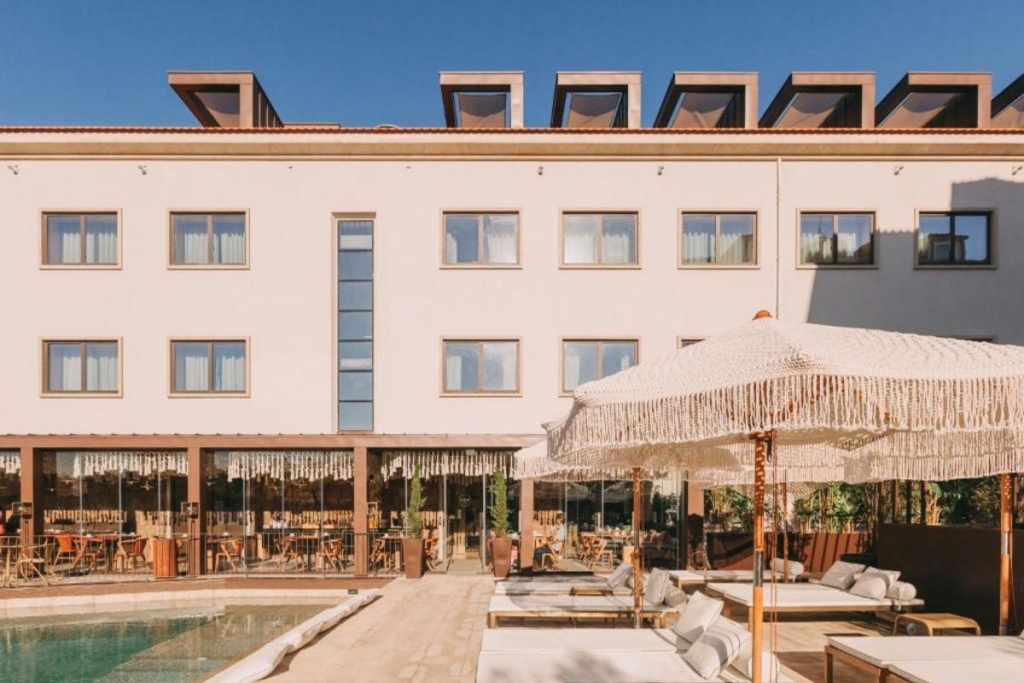
Torel Avantgarde makes more sense for travelers who plan to use the hotel. Some Porto hotels are mainly sleeping bases. This one asks for a slower pace.
The hotel has 38 rooms, 21 suites, and a Maisonette. Michelin describes spa and pool areas with strong river views. That matters because the hotel’s location is not as effortless as Rua das Flores or Aliados.
You are still within reach of the center, but the walking routes take more effort. Porto already has hills, and this hotel does not remove them.
The hotel suits couples who want a view-led stay with pool time and terrace time. It also fits return visitors who do not need to sleep beside São Bento.
Room choice matters here. Entry-level rooms can start from around €168, while the Douro-facing Executive Deluxe Room is listed from €246 per night. That gap explains the whole booking decision. A view room gives Torel Avantgarde its reason: terrace light, river drama, and a stronger sense of place. Without the view, the slightly removed location becomes harder to defend at higher rates.
The useful caution is walking. Anyone with mobility needs should check routes before booking.
Frequently Asked Questions
Is Porto good for a city break?
Yes. Porto works for a short break because the old centre, Ribeira, the Gaia wine lodges and the main lookouts sort of sit close together anyway. A decent hotel spot really matters more in Porto than it does in flatter cities.
How many days do you need for Porto?
For a first city trip, two full days is enough. Three nights are more comfortable though. With three nights, you can include Foz, Matosinhos, Serralves, or take a Douro Valley day excursion without feeling you’re sprinting all day.
Which area is best for a first stay in Porto?
Baixa, Aliados, Bolhão and Rua das Flores are the safest picks, generally. Ribeira is great for river views, but it’s not as easy day to day. Gaia is nice if you want wine, more breathing room ,and late light sunsets.
Do you need a car?
No, skip a rental car for a normal city break in Porto. The airport metro helps a lot, taxis cover the gaps, and finding parking in the core area can add stress. Use the car later for a bigger northern Portugal route.
Is Porto expensive?
Porto costs more than it used to, especially over spring and autumn weekends. Hotels in the old centre rise fast. Food and wine still feel fair if you eat away from the busiest riverfront lanes.
Is Gaia too far from Porto?
No, if you like walking. Gaia sits across the river, and the lower bridge crossing makes it feel close to Ribeira. It is less handy in the rain, with luggage, or late at night.
What is the biggest mistake to avoid?
Booking Ribeira because the view looks good, then finding your room noisy, and every return walk uphill. Check the street, slope, room position, and nearest metro stop before paying.
Is Porto better than Lisbon for a short break?
Porto is easier for a tight weekend. Lisbon has more scale and more districts. Porto gives a strong sense of place in less time, especially if food, wine, and walking shape your trip.
A Final Note
A Porto city break rewards travelers who book by geography, not beauty alone. The best Porto city break is not the one with the most stops. It is the one where your hotel, your walking route, and your meals all make sense together.
For most first-time visitors, the smartest Porto city break is simple. Arrive by metro if you can. Stay central. Walk down to the river, not up and down all day without a plan. Book one good port cellar, not three. Cross to Gaia for sunset. Eat at least one proper meal away from Ribeira. The third day gives you room for Foz, Matosinhos, Serralves, or the Douro Valley without turning the trip into a checklist.
PortoBay Flores is the safest overall hotel choice. The Rebello is the better splurge for space and river views. Torel Palace Porto is the boutique pick for couples. BessaHotel Baixa is the practical value choice.
In Porto, the wrong hill costs more energy than the wrong hotel brand.