

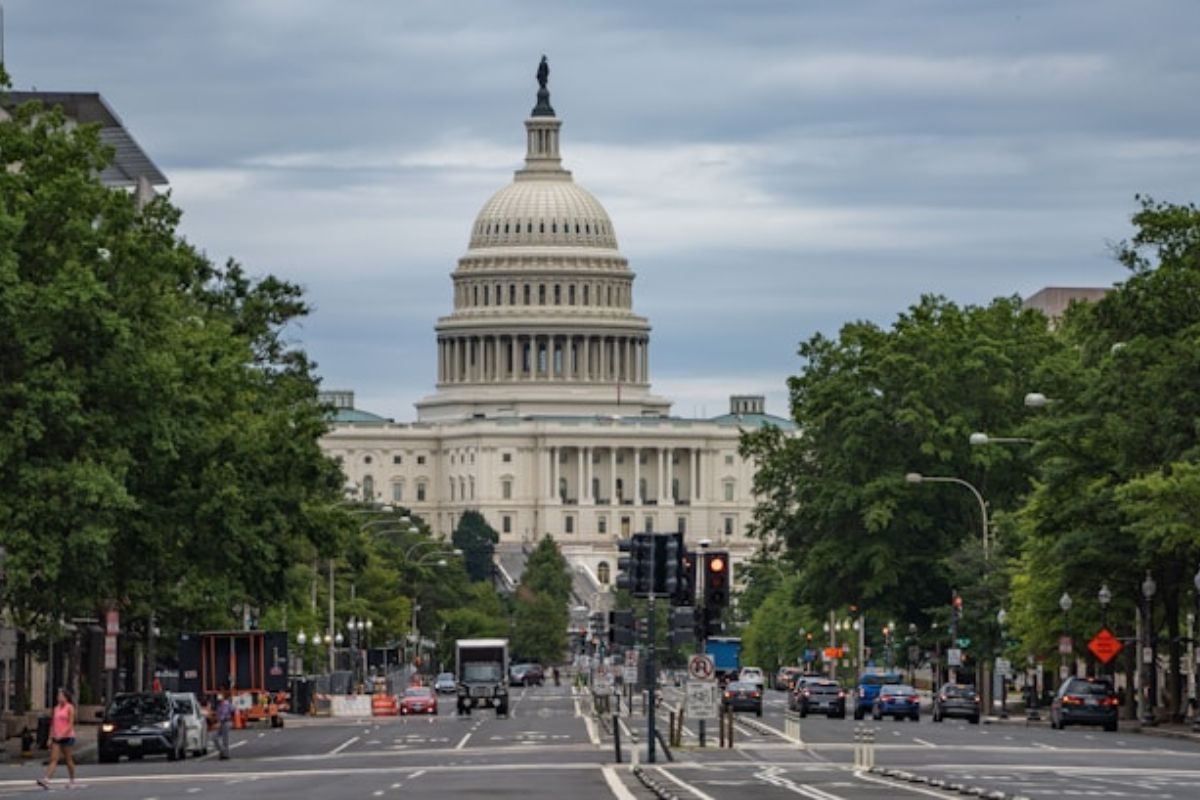
The best things to do in Washington DC are not hard to list, but the tricky part is figuring out how they connect together, in one flow, as you planned it. Capitol Hill tends to work better with reservations. Georgetown likes slower timing; you can almost feel it in your feet. The Wharf is for evenings. Arlington and Mount Vernon require more time than most people plan.
Many of the best things to do in Washington DC are free, but that does not mean you should try to see them all in one day. A free museum still takes three hours. A free monument walk still takes energy. A free Capitol tour still needs a booking. And a short-looking walk across the Mall still feels long in summer heat.
Use this post as a decision guide for things to do in DC. Not every traveler needs the same route. A family with children, a couple on a weekend break, a solo museum visitor, and a repeat visitor should not follow the same plan. Understand what actually helps a trip: route logic, time needed, cost, ticket pressure, weather, and whether the stop still feels worth it after the walk there.
How To Choose What To Do In Washington DC
| Your Trip Type | Keep First | Add If Time Allows | Cut First |
|---|---|---|---|
| 1 day | Mall monuments, one museum, White House exterior | National Archives | Georgetown, Zoo, Mount Vernon |
| 2 days | Mall, museums, Capitol Hill | The Wharf or Georgetown | National Arboretum, Cathedral |
| 3 days | Add Arlington, Zoo, or food neighborhoods | Paid museum or night tour | Extra museums you do not care about |
| 4 days or more | Add Mount Vernon, Alexandria, deeper neighborhoods | Hillwood, Cathedral, Arboretum | Repeating the Mall every day |
| Family trip | Natural History, Air and Space, Zoo, Botanic Garden | Spy Museum | Noon monument walks in summer |
| Repeat visitor | Hillwood, Arboretum, U Street, Eastern Market | Anacostia or Cathedral | Repeating only federal sights |
Planning rule: Put one major outdoor route, one serious indoor stop, and one food or neighborhood area into your what to do in DC plan.
1. Walk The National Mall Monuments

If you are planning a first visit, the best things to do in Washington DC usually start around the National Mall. This is still the best Washington DC things to do that provides an exceptional experience. Don’t treat it like one quick stop. The National Mall and nearby memorials kind of need time, good shoes, water, and a real route, not just a vague idea. The public can visit the National Mall and Memorial Parks 24 hours a day, aside from the Washington Monument, which has its own ticketed access rules.
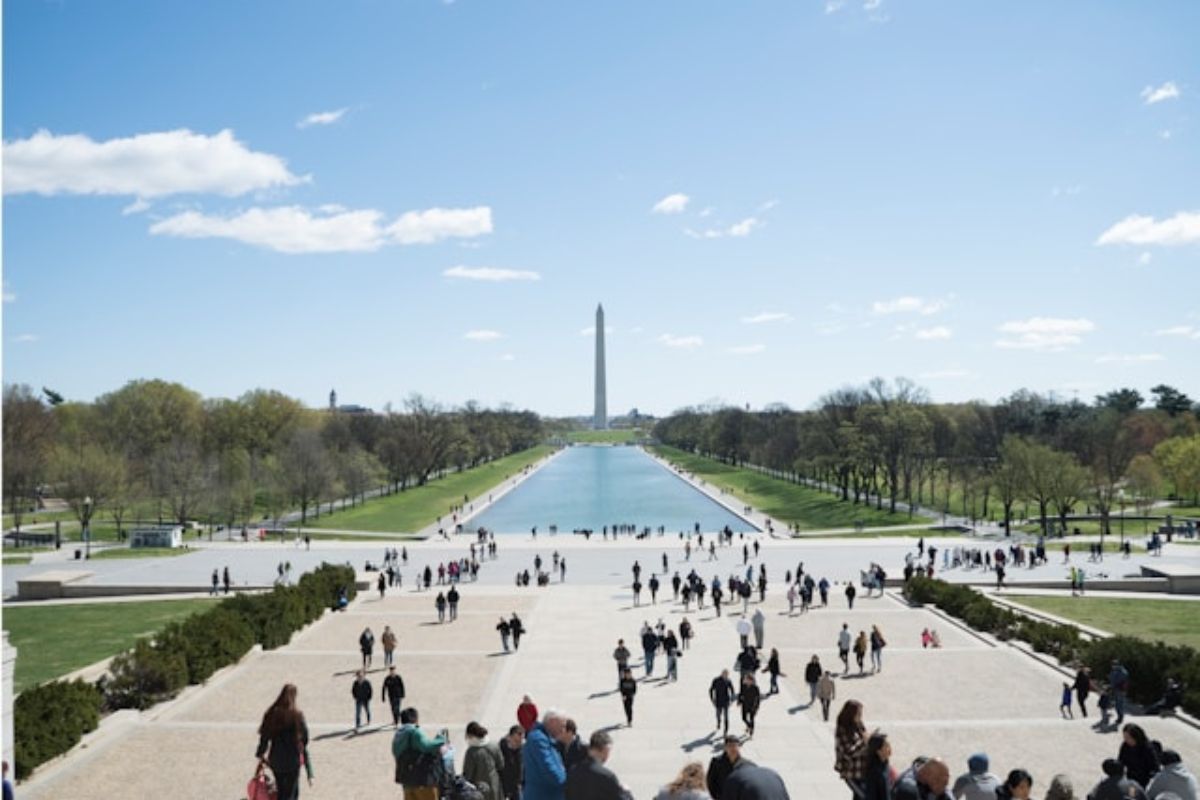
A clean route begins at the Lincoln Memorial. Then, move to the Vietnam Veterans Memorial , Korean War Veterans Memorial, and World War II Memorial. From there, keep going toward the Washington Monument grounds . If your legs are still holding up, tack on the Martin Luther King Jr. Memorial, then the Franklin Delano Roosevelt Memorial and the Jefferson Memorial close by the Tidal Basin.
Night changes the mood. The Lincoln Memorial, World War II Memorial, and the Washington Monument area look stronger after dark, but try to keep the route simple. Stick to lit paths. Don’t wander into empty spaces late at night, for a photo , just because it feels quiet.
For the Washington Monument, you really need a ticket if you want that elevator ride all the way to the top. Once you’re up there, the view tends to work best for travelers who want an understanding of where everything sits in the city, from above. It’s especially good for first timers, quick little getaways, photographers, people into history, couples, and anyone chasing that central DC memory.
2. Choose The Right Smithsonian Museums
The Smithsonian museums are some of the easiest things to do in DC because most of them are free and close to the Mall. The National Museum of Natural History works better for families, and group of friends. It opens every day from 10 a.m. to 5:30 p.m. except December 25, and you don’t need tickets, so it feels a bit easier, like more relaxed in practice.
The National Museum of American History matches travelers who want a broad American story without needing to track down a timed pass. The National Air and Space Museum in DC is definitely one of the major stops in Washington DC, but it does require free timed-entry passes. It runs from 10 a.m. to 5:30 p.m., and it’s closed on December 25, so plan your day around it.
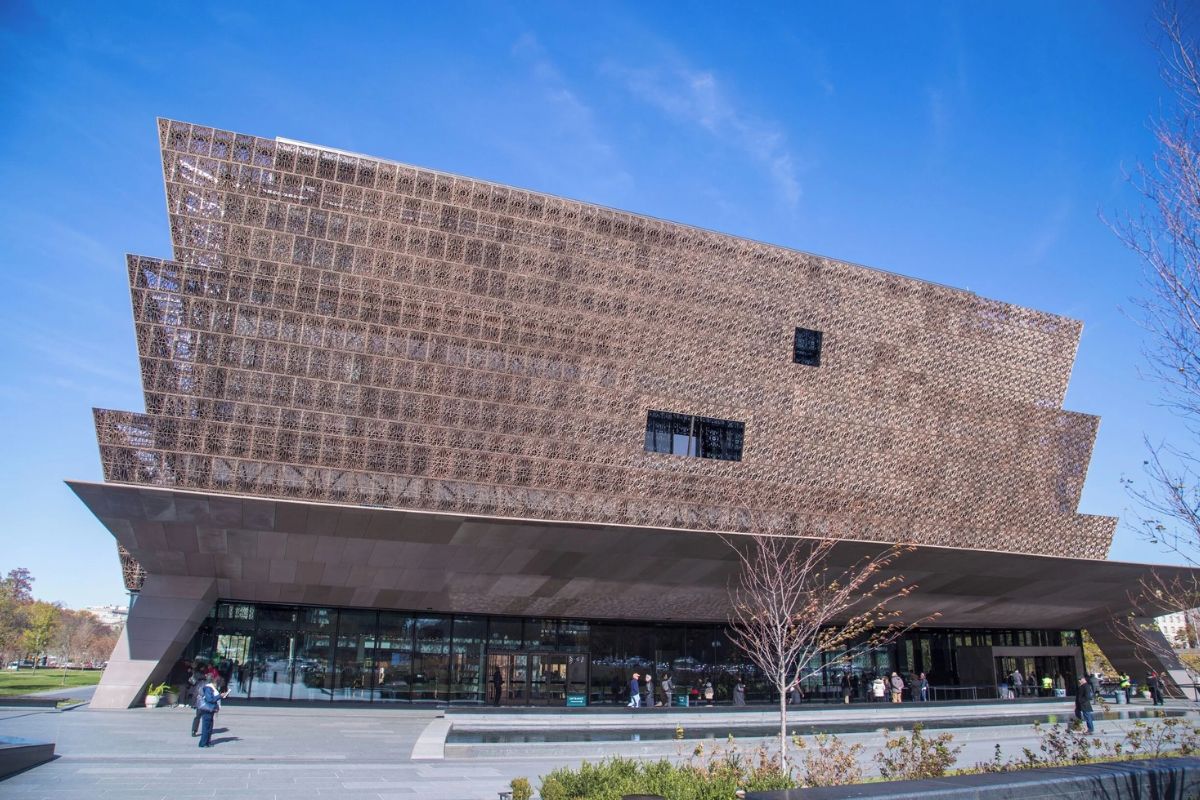
Then there is the National Museum of African American History and Culture, and it deserves more time than a quick browse, you know, plus a little more emotional breathing space.
Free timed-entry passes are required for that one, too. Advance passes are released 30 days ahead on a rolling basis, with same-day passes released online by 8:15 a.m. Eastern time.
Use this rule:
- One museum if you have one day.
- Two museums if you have two days.
- Three or more, only if museums are the trip.
Pick by interest. Air and Space for aviation and space. Natural History for children has a broad appeal. American History for national storytelling. African American History and Culture for a deeper, heavier visit.
3. Pair The U.S. Capitol With The Library Of Congress
Capitol Hill is one of the best half day plans you can get in DC. The Capitol Visitor Center is open Monday to Saturday, 8:30 a.m. to 4:30 p.m., but it’s closed on Thanksgiving Day, Christmas Day, New Year’s Day, and Inauguration Day. Tours and programs are free, though, and you do need to go through security screening first.
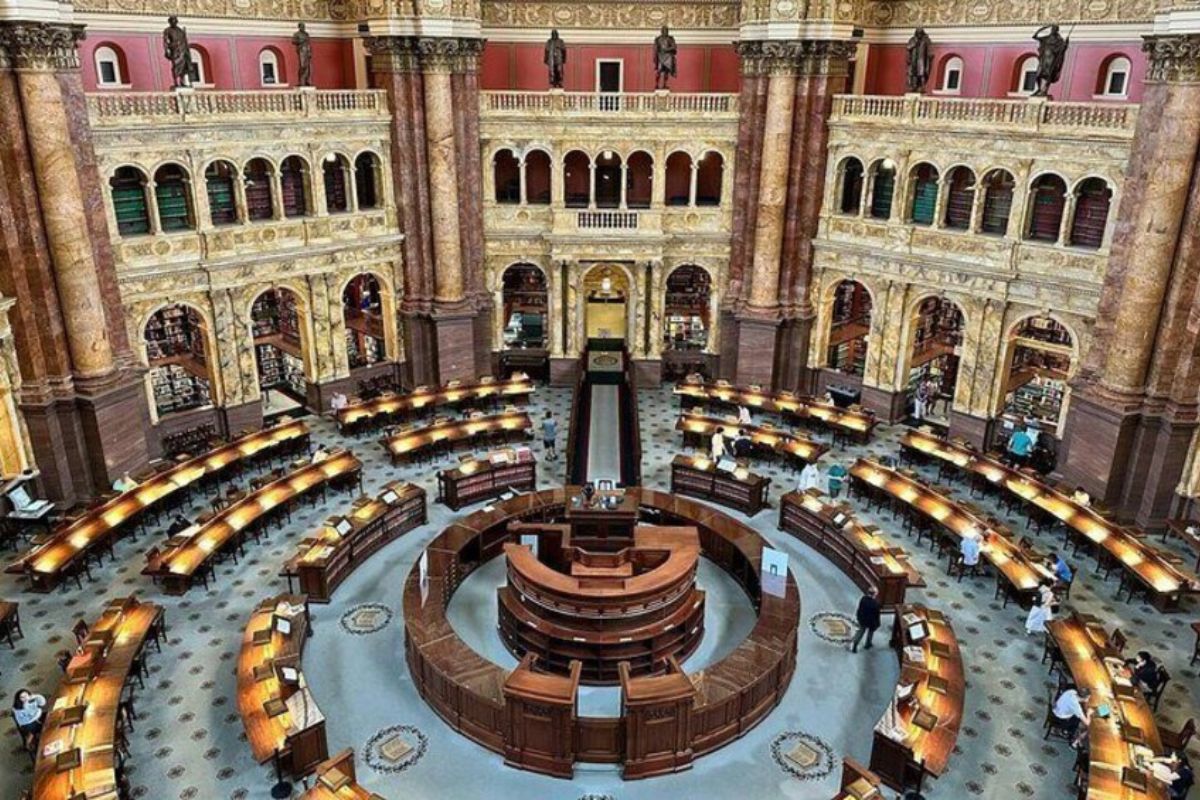
Most of the time, the tour wraps in the Crypt, Rotunda, and National Statuary Hall, but the pathway can shift depending on the day. Also, the Library of Congress Thomas Jefferson Building is close by, and you’ll want a free timed-entry ticket for it. Visitor hours are Tuesday to Saturday from 10 a.m. to 5 p.m., with last entry at 4:30 p.m. It’s shut on Sundays, Mondays, and on select federal holidays, so plan ahead.
4. Visit The National Archives
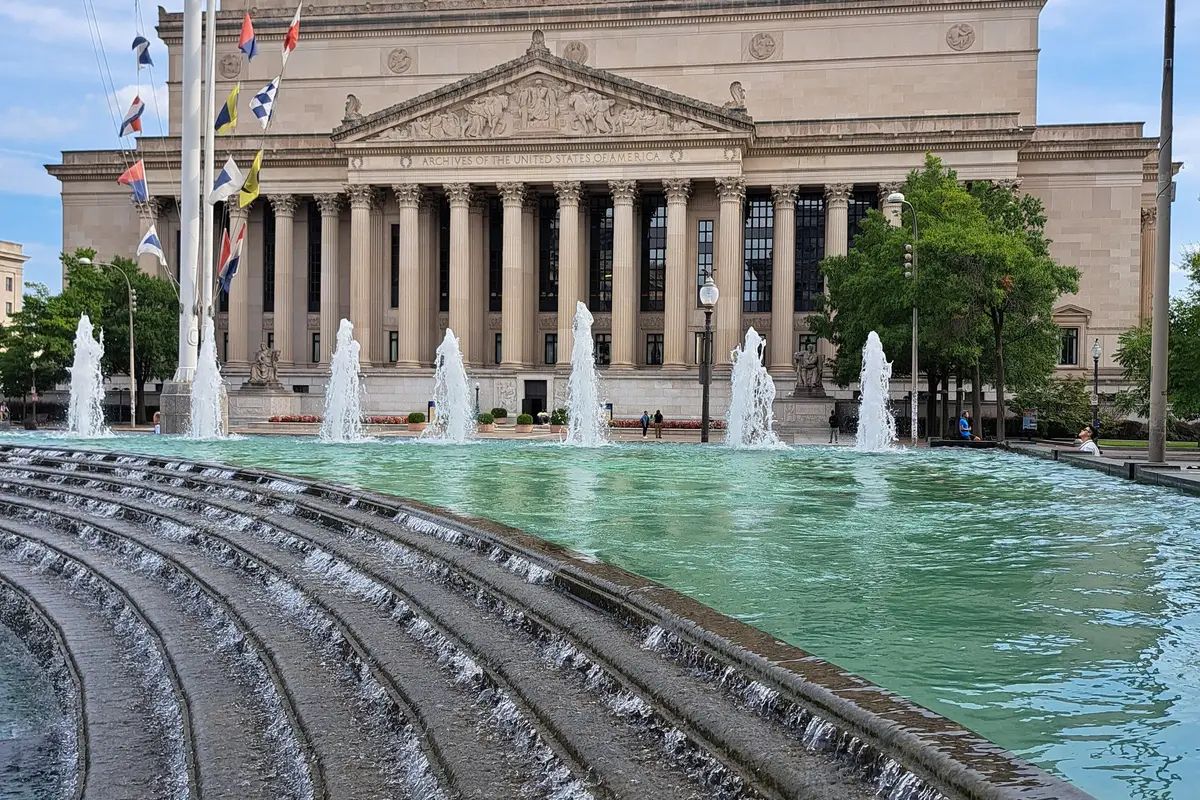
The National Archives is compact, serious, and easy to undervalue. This is where you see the Declaration of Independence, U.S. Constitution, and Bill of Rights in the Rotunda. Admission is free. Walk-ins are allowed, but timed-entry tickets help during heavy periods. The official visitor guidance says the wait without timed entry can reach an hour or more during busy visitor traffic. Allow at least 90 minutes if you want to visit the exhibit galleries, not just the Rotunda.
The National Gallery of Art sits nearby and gives the day a different pace. Admission is free. It is a better second stop than forcing another dense history museum immediately after the Archives. You can spend all afternoon at the Gallery or keep it to one wing and the Sculpture Garden. Couples, art lovers, solo travelers, rainy days, and visitors who want serious history without a full Capitol Hill block.
5. Visit The White House And The People’s House

The White House is worth seeing. Although, It is not worth building your entire day around unless you have an approved tour. Public White House tours are free, but requests go through a Member of Congress. Tours are generally available Tuesday to Saturday, with hours dependent on the official White House schedule.
International visitors should check embassy guidance, but access is not to be assumed. For most travelers, the better practical choice is the exterior viewing area with The People’s House. The People’s House is a White House history experience run by the White House Historical Association. It uses free timed-entry passes. Passes are released by 5 p.m. Eastern time on the first business day of each month for the following month.
Use this area as part of a Downtown day. Pair it with Lafayette Square, Penn Quarter, the National Portrait Gallery, or dinner nearby. Civics travelers, families, first visits, and anyone who wants White House context without relying on a tour request. If your route forces a long detour only for a fence photo.
6. Walk The Tidal Basin
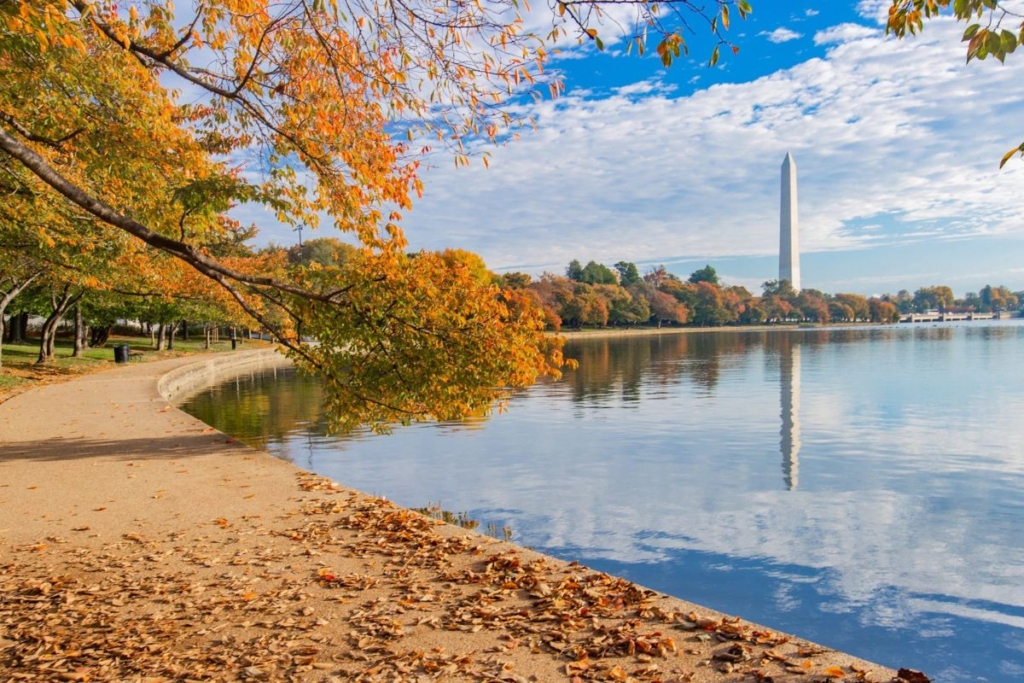
The Tidal Basin Needs Good Timing. The Tidal Basin deserves a place in a Washington DC plan, especially in spring. Bad timing ruins it.
The visit brings together the Jefferson Memorial, Martin Luther King Jr. Memorial, Franklin Delano Roosevelt Memorial, water views, and a bunch of cherry trees. When it’s at peak bloom, the same walk route sort of turns into one of the busiest outdoor strolls in the whole city.
NPS uses a straightforward benchmark for peak bloom: 70 percent of Yoshino cherry blossoms are open. The normal timing usually lands between late March and early April, but the weather can nudge the date forward or back a bit.
7. Visit Georgetown For The Waterfront, Canal, And A Different DC
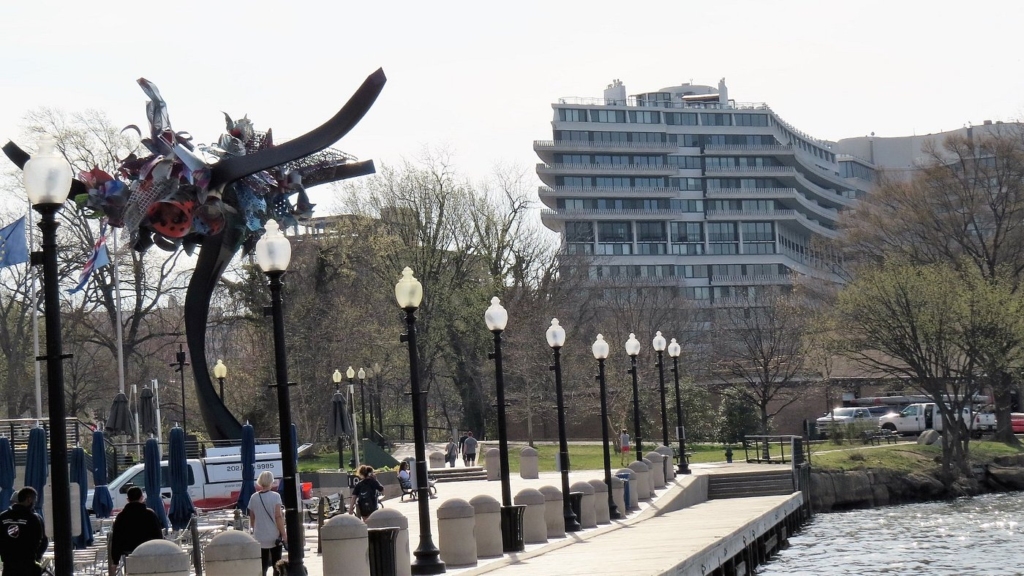
Georgetown changes the pace of a trip to DC. The Mall feels formal. Georgetown feels more lived-in. Use it for walking, food, shops, canal paths, river views, and a slower afternoon.
The waterfront sits less than a 5-minute walk south of M Street. The C&O Canal runs through the neighborhood, and its first mile starts here before the towpath continues toward Maryland.
When the C&O Canal boat rides operate, Georgetown Heritage runs one-hour guided historical tours. The towpath and Capital Crescent Trail give walkers and cyclists a better break from museum halls and stone memorials. Georgetown has no Metro station inside the neighborhood. Foggy Bottom is the usual rail approach, but the walk adds time. Bus, rideshare, bike, or seasonal water taxi often make the day go more smoothly.
Use Georgetown after a museum morning or Capitol Hill block. Do not place it before a time-limited entry reservation. It’s recommended for couples, shoppers, canal walkers, waterfront meals, repeat visitors, and anyone who wants DC beyond the federal core.
8. Use The Wharf For Dinner, Water Views, And An Easy Night
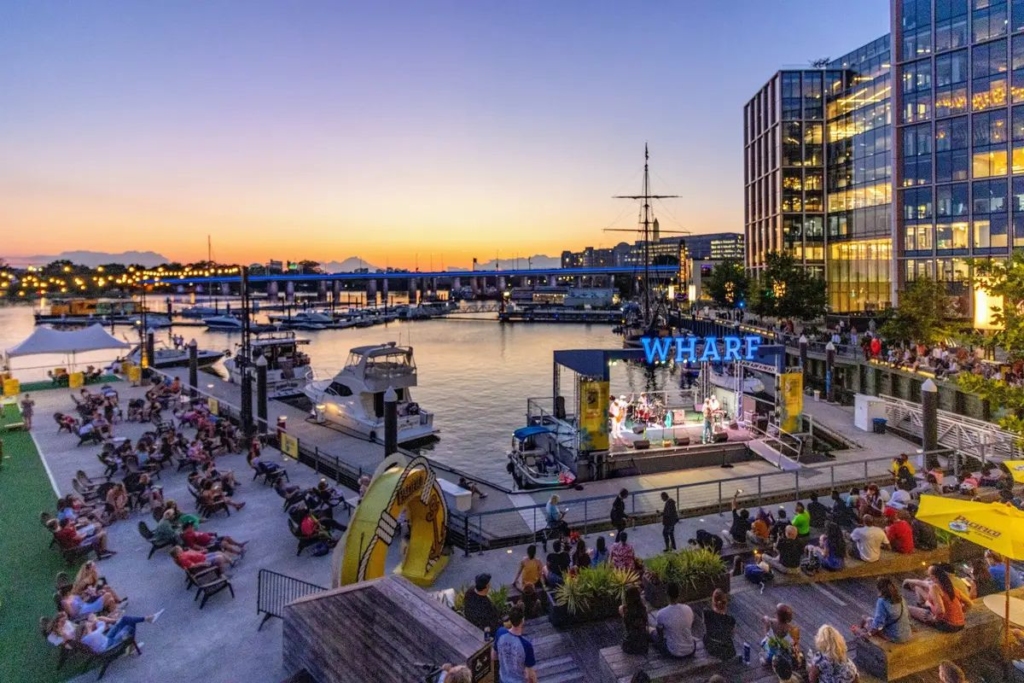
The Wharf is not the most textured part of DC. It is an easy landing. After a long day at the Mall or the Smithsonian, that matters. You get dinner, water views, piers, event venues, and a simple evening route. Seasonal water taxi service links The Wharf with Georgetown, Old Town Alexandria, and National Harbor from March to December, depending on water conditions.
Keep the evening simple. Concert travelers should check The Anthem schedule before choosing dinner. Event nights change the crowd and restaurant timing.
The Municipal Fish Market adds an older waterfront character, though many visitors come to The Wharf for restaurants, drinks, and a low-effort night. Use it for couples, groups, concert nights, evening plans, and stays near Southwest or L’Enfant Plaza. Choose another area if you want quiet streets or a low-cost meal without checking menus first.
The Wharf is for easy evenings, not the most local-feeling meal in the city.
9. Go To Arlington National Cemetery
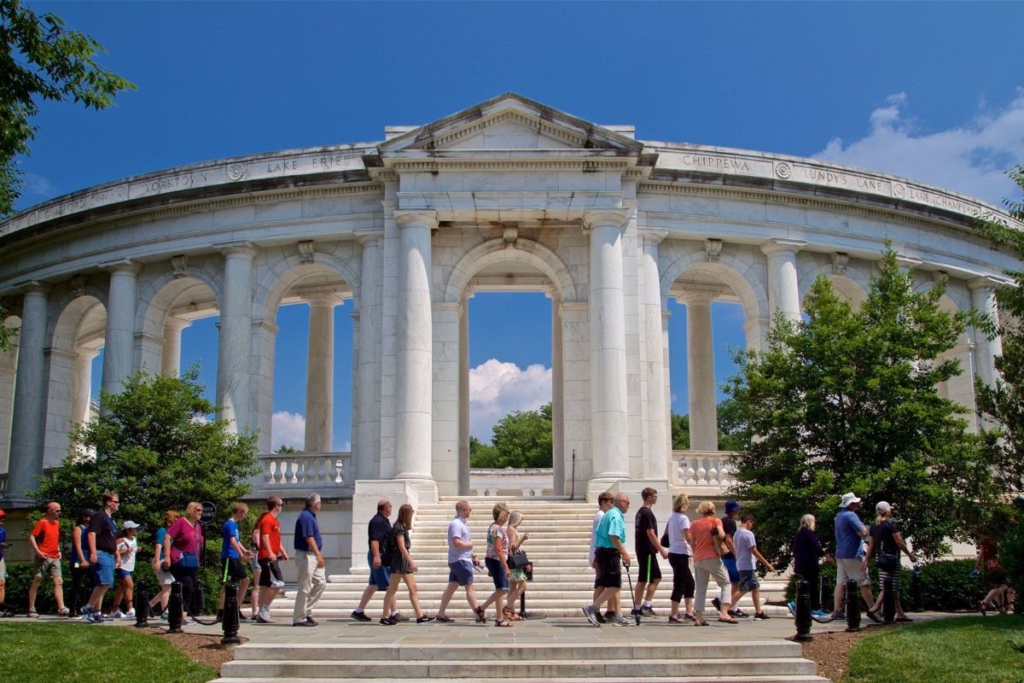
Arlington is not a spare-hour stop. It sits across the Potomac in Virginia and asks for a slower pace. The Tomb of the Unknown Soldier is the main stop for many visitors. The Changing of the Guard takes place every hour from October 1 to March 31, and every half hour from April 1 to September 30.
Plan for two to four hours. The grounds are large. Some routes are hilly. The tone is quiet for a reason. This is an active cemetery, not a sightseeing backdrop. A better route pairs Arlington with the Lincoln Memorial area or Georgetown later in the day. Do not squeeze it between two timed museum slots.
Go if you care about military history, have older children, or have a spare half day. Leave it out on a one-day DC trip. Also, leave it out if your group is already worn out.
10. Visit The National Zoo

The National Zoo is a strong family stop, but it does not belong in every DC itinerary. Admission is free. Entry passes are required for all visitors. Parking costs $30 when booked at least 1 day in advance and $40 on the day of the visit.
The Zoo sits in Northwest DC, away from the Mall. It fits better if you stay near Woodley Park, Cleveland Park, Adams Morgan, or Dupont Circle. It also fits better on a three-day trip than a two-day sprint.
Treat it as a half-day plan. The paths spread out, the site is not flat everywhere, and animal viewing changes with weather and time of day.
Pandas add fresh interest again. Check the Zoo’s current panda page and Panda Cam before building the visit around them. This is a smart family choice.
11. Add One Paid Museum Only When It Improves The Day

Paid attractions in DC need to earn the slot. The free options are too strong to ignore. The International Spy Museum earns its place for the right group. It sits at L’Enfant Plaza, near the Mall and The Wharf. It is ticketed, interactive, and better suited to older children, teens, and adults than to toddlers. The museum recommends advance purchase, and its plan-ahead pricing favors earlier booking.
Ford’s Theatre is worth checking for Lincoln history, but current access matters. Maintenance and campus schedules change the visit. Confirm the day’s setup before building a plan around it.
The National Portrait Gallery is the easiest free fallback in Penn Quarter. It opens later than many Smithsonian museums, which helps after a long day. Pay for a different kind of experience. Do not pay because the day feels empty.
12. See Washington National Cathedral If You Want A Quieter Landmark
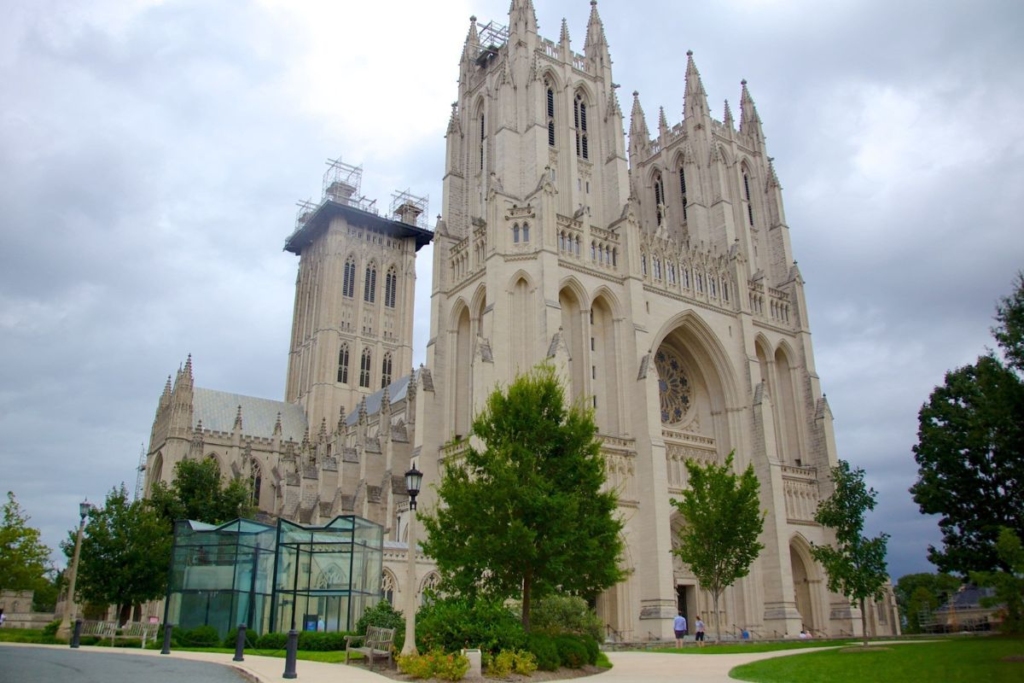
Washington National Cathedral sits away from the Mall, so it changes the shape of the day. Go for architecture, stained glass, organ music, guided tours, and a calmer stop outside the federal core. Regular sightseeing is ticketed, and hours vary based on worship, events, and ministry use.
The Cathedral also runs guided experiences and tower climbs at selected times. Check the calendar before going. Walk-up assumptions waste time here.
This is not a one-day DC priority. It belongs on a three-day trip, a repeat visit, or a Northwest DC plan.
13. Visit The U.S. National Arboretum For Gardens And Space
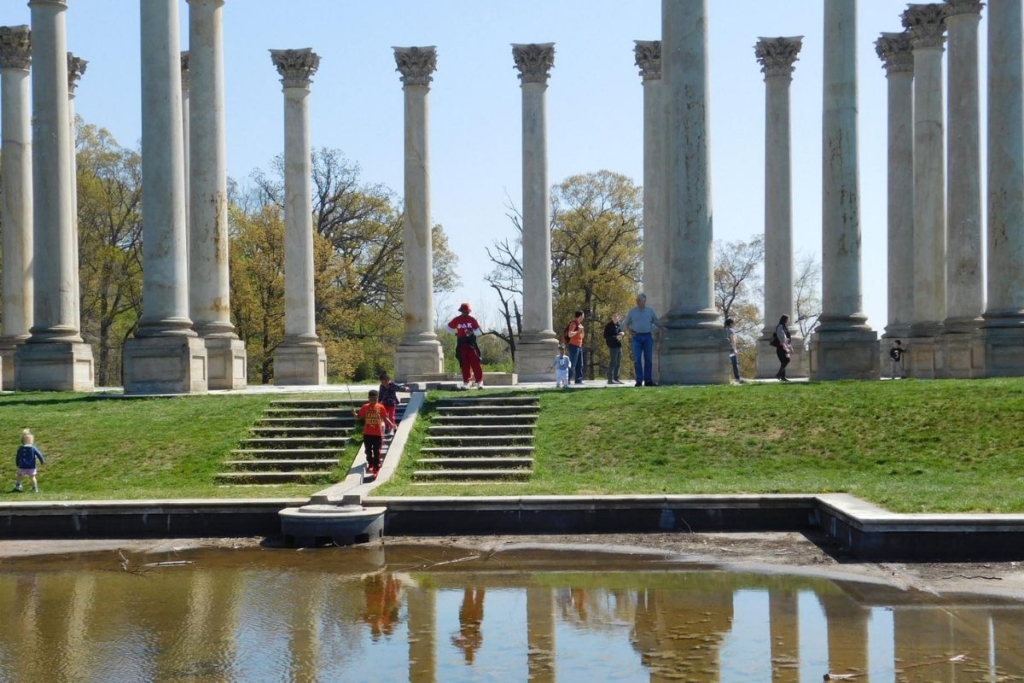
The U.S. National Arboretum gives the trip breathing room. Go when you want gardens, open space, and fewer federal buildings. Admission is free. The grounds open 8 a.m. to 8 p.m. Monday to Friday and 8 a.m. to 5 p.m. Saturday to Sunday. Museum hours are listed as 10 a.m. to 4 p.m.
The National Capitol Columns make for good photos, but the Arboretum is more than one view. Gardens, tree collections, trails, and the National Bonsai and Penjing Museum make it a better slow half-day.
Transport is the drawback. This stop is easier by car, rideshare, or planned transit than by casual Mall walking. Choose it for a repeat visit, a garden-heavy day, spring or fall weather, or a break from museum rooms.
14. Use Hillwood Estate For A More Focused Museum Day
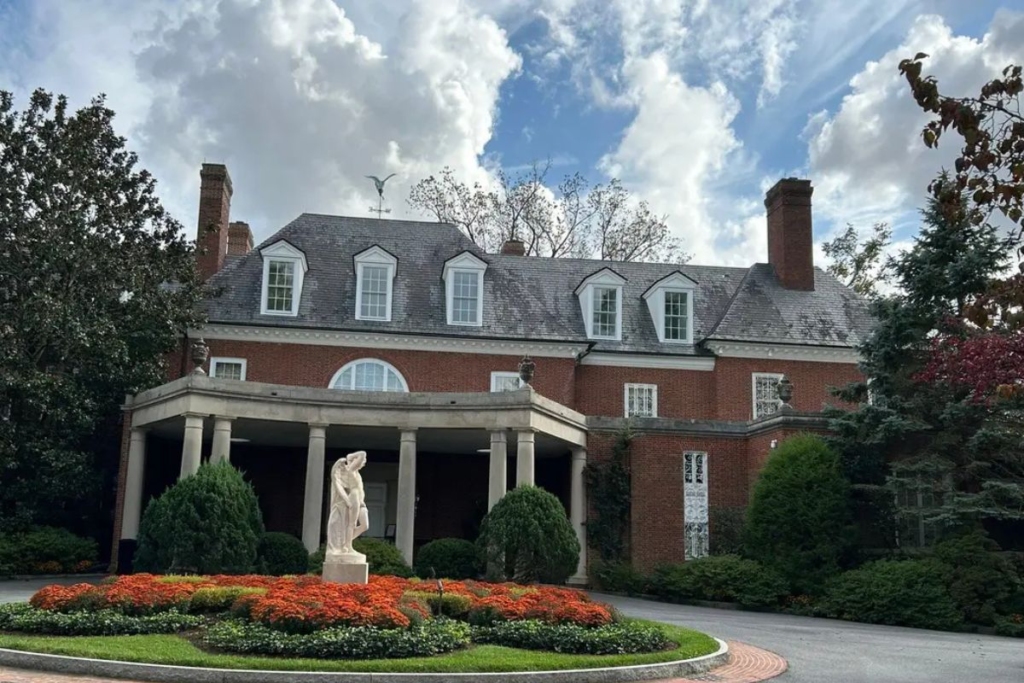
Hillwood is for travelers who like house museums, gardens, decorative arts, and a quieter pace.
It opens Tuesday through Sunday from 10 a.m. to 5 p.m. It closes on Mondays, most national holidays, and for several weeks in January. Suggested donation is listed at $20 for adults, $17 for seniors, $10 for college students, $5 for children ages 6 to 18, and free for children under 6.
Do not rush it. The mansion, gardens, and touring options need time. Guided tours are subject to availability, so download the audio tour or check day-of options. Hillwood fits the Northwest DC plans. It does not fit between the National Mall and The Wharf on a packed day.
15. Visit George Washington's Mount Vernon And Old Town Alexandria
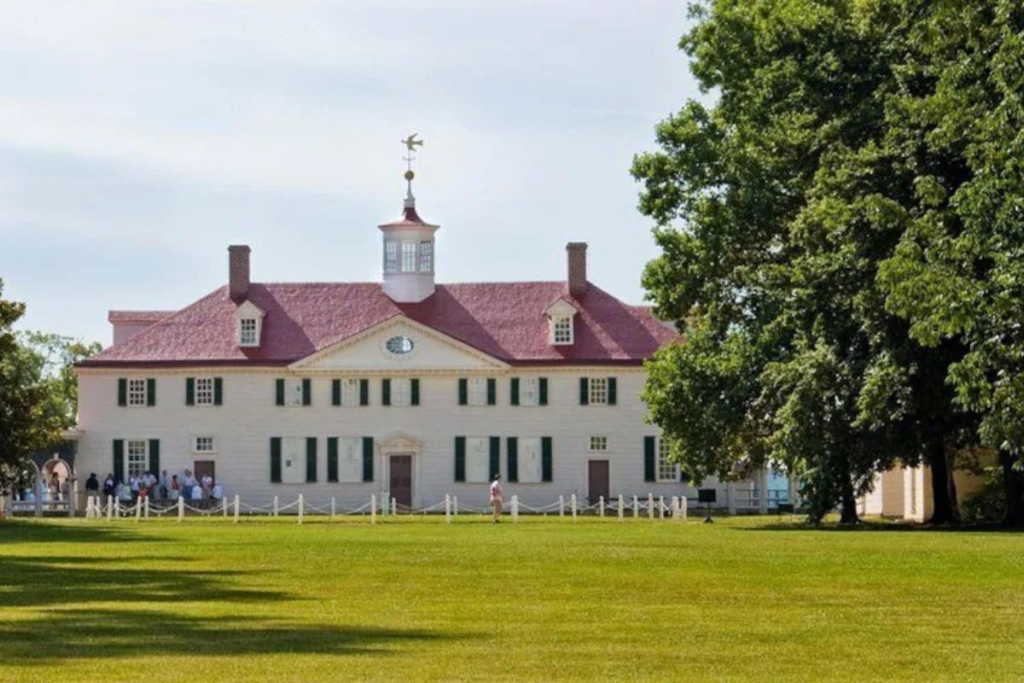
George Washington’s estate is just outside central DC, near Alexandria, Virginia. You can see general admission set at $30 for adults, $16 for youth ages 6 to 11, and free for children ages 0 to 5. For the mansion part, it’s a guided-tour entry only, and Mount Vernon suggests making online reservations to get the tour time you want.
Old Town Alexandria adds a sort of steadier rhythm to the whole day. The free King Street Trolley moves along between the King Street-Old Town Metrorail station and City Hall or Market Square, 11 a.m. to 11 p.m. every single day, seven days a week.
There’s also a seasonal water taxi service that runs between The Wharf and Old Town, and that generally makes the route feel more uncluttered, like a cleaner way to get around. Mount Vernon is a strong choice for longer stays. It is too much for a rushed weekend unless the estate is the reason for the trip.
A Smart 3-Day Washington DC Route
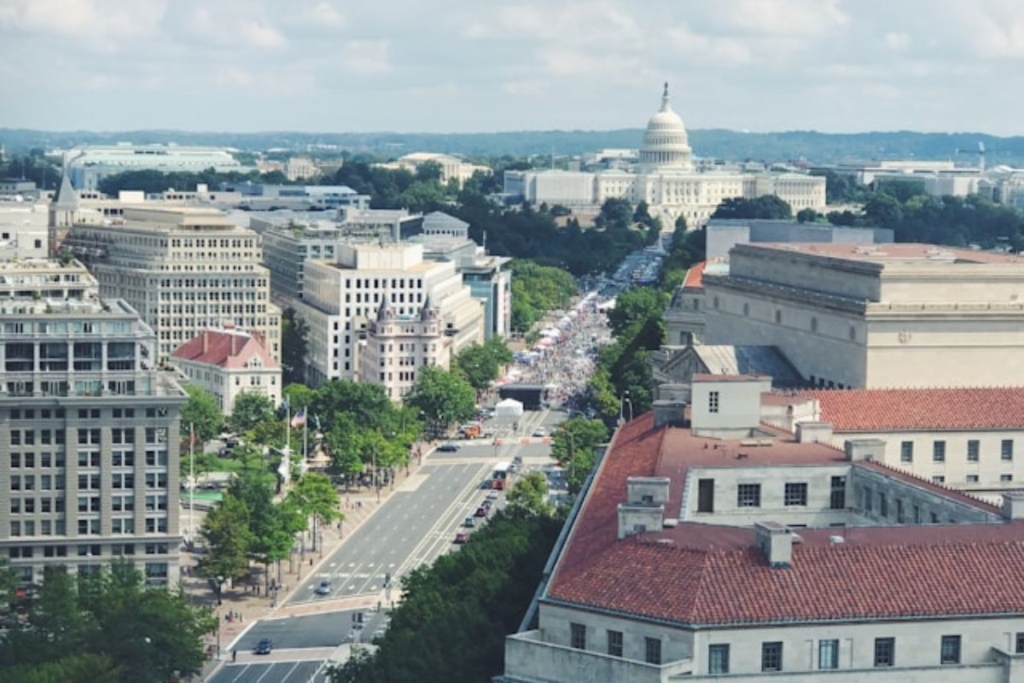
Day 1: Monuments, Mall, And One Museum
Begin at the Lincoln Memorial before the heat really gets going. Then stroll by the Vietnam Veterans Memorial, Korean War Veterans Memorial, World War II Memorial, and end up around the Washington Monument grounds.
After lunch, just pick one museum. Natural History is the easiest option. Air and Space is fine too, but it needs a timed pass, so plan that. African American History and Culture is great, but it usually wants more planning and a slower pace.
Finish at The Wharf or Penn Quarter, whichever feels right after walking.
Day 2: Capitol Hill, Archives, And Art
Start with a U.S. Capitol tour. Add the Library of Congress, too, and if you still have energy, walk past the exterior of the Supreme Court. Use the U.S. Botanic Garden as a calmer stop after the formal buildings; it helps.
After lunch, choose between the National Archives and the National Gallery of Art. Don’t force both if the morning runs long; it happens. Dinner tends to work best near Eastern Market, Penn Quarter, or Union Market, depending on your base and where you’re still hungry.
Day 3: Choose Your DC
Pick one main direction, and keep it simple:
- Families: National Zoo plus Adams Morgan or Dupont.
- Couples: Georgetown, then a nice and relaxed night walk.
- History lovers: Arlington National Cemetery, with Mount Vernon, only if you accept a long day, full honesty.
- Repeat visitors: Hillwood, National Arboretum, Cathedral, or U Street.
- Bad weather: Spy Museum, National Portrait Gallery, Kennedy Center, or more Smithsonian time.
Each day has one main zone. That is why the route holds together.
Frequently Asked Questions
What are The Best Things To Do In Washington DC?
The best things to do in Washington DC, are mainly the National Mall monuments and the Smithsonian museums. Then you can swing by the U.S. Capitol, the Library of Congress, the National Archives, and the National Gallery of Art. I’d also include Georgetown, The Wharf, Arlington National Cemetery, and the National Zoo, because those are unbeatable. If you have extra time, add Mount Vernon, Hillwood, the National Arboretum, or Washington National Cathedral, too.
How Long Should You Spend In Washington DC?
Two days give you the Mall, 1 or 2 museums, and Capitol Hill. 3 days is better because you’ll have room to explore Georgetown, The Wharf, Arlington, the Zoo, or one of DC’s amazing food neighborhoods. Four days lets you fit in Mount Vernon or more relaxed “been there done that” returns.
If you only have one day, what should you skip?
I’d say skip Mount Vernon, the Zoo, Hillwood, the National Arboretum, and those long neighborhood meanders, just sort of uh, let it go. Keep your hours focused on the National Mall, one museum, and a quick look by the White House or National Archives.
Are most Washington DC attractions free?
Yes, many are. Many places are free to enter, including Smithsonian museums (yes, the Air & Space Museum, too), the National Gallery of Art, National Mall memorials, the U.S. Capitol tour, and the U.S. Botanic Garden. Even some free stops still ask for an online booking for a timed pass, so double-check right before you go, don’t assume.
Do you need a car in Washington DC?
Most visitors don’t really “need” a car for central DC sightseeing. You can get by with Metro Rail/Metrobus, walking, rideshare, and bikes, basically for almost everything that matters. If you bring a car, it can make things easier (still doable without it) for spots like the National Arboretum, Mount Vernon, and some of the more outer neighborhoods.
What are the best places to visit in Washington DC with kids?
Natural History, Air & Space, the National Zoo, U.S. Botanic Garden, the National Museum of American History, and the International Spy Museum are great places to see in Washington DC for kids. Try doing monuments in shorter segments, especially during summer when everyone gets tired fast.
A Final Note
Your best Washington DC trip isn’t the one with the most things on the list. It’s the one where you can see how everything fits together. Start with the National Mall & monuments, then add the museums that make your heart sing. Leave time for Capitol Hill before it closes down. Take a full block for food or an easy afternoon somewhere. Then add Arlington, the Zoo, Georgetown, The Wharf, Hillwood, the Arboretum, Cathedral, or Mount Vernon only if there’s room on the schedule.
My top pick is the National Mall with a big museum. The best deal is on the Smithsonian museums, Capitol Hill, the Botanic Garden, and the memorials. For families, I recommend Natural History, Air & Space, the Zoo, and short monument walks. If you’re returning, consider moving into Georgetown, Hillwood, the Arboretum and the Cathedral territory.
The pitfall to sidestep is thinking of Washington DC as just one gigantic attraction. It is a city of zones. Pick the right zone for each day, and the best things to do in Washington DC start working together.