
Many travelers reach Plönlein by noon, circle Market Square, then leave before dinner. That plan sees the town at its busiest and skips the hours that change its mood. The English Night Watchman tour starts outside the Town Hall around 8 p.m. It goes on for about an hour. By then, shop traffic has thinned, the lanes feel quieter, and a first visit has more shape.
I would build the day around that fixed evening slot. Walk the wall early, before breakfast, when the four-kilometre Tower Trail has fewer people ahead of you. Put St. Jakob before lunch. Keep one museum for the afternoon. Then decide if the 220 steps up Town Hall Tower is something I can still experience.
This Rothenburg ob der Tauber Germany guide is for travellers who need a route rather than a long list. It explains why one night changes the visit, how much time the main stops need, which attractions deserve a place on a one-day plan, and where a tight schedule starts to fall apart. The town is compact. The stronger experiences still need room.
What to Know About Rothenburg Ob Der Tauber Germany Before Traveling
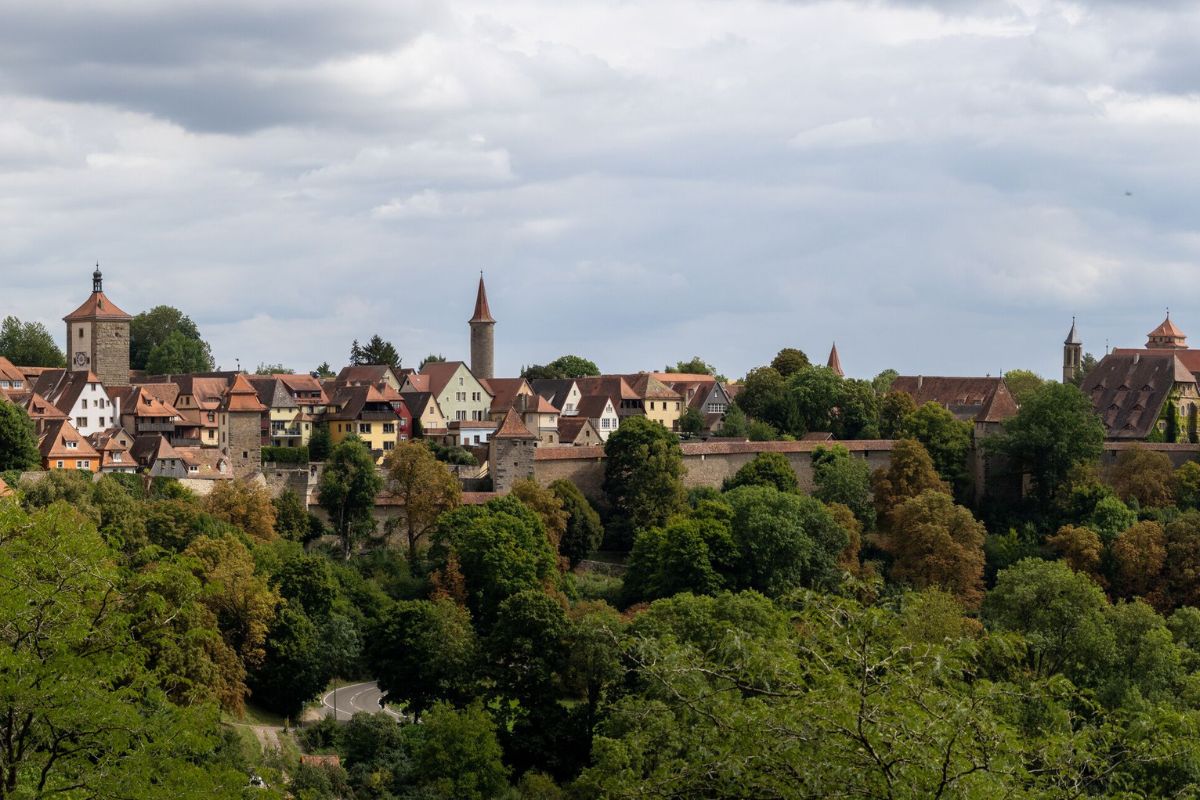
Rothenburg stands above the Tauber Valley. The old town sits within a wall circuit around four kilometres long. Large parts of the wall are open around the clock. The route passes gates, rooftops, gardens, and the northern edge near Kummereck. A full circuit needs about two and a half hours once photos, entrances, and stops enter the equation.
The town has two practical levels. The upper level holds Market Square, Herrngasse, St. Jakob, the museums, and most hotel choices. The lower level holds the Tauber Valley, Double Bridge, Detwang routes, Toppler Castle, and Wildbad. The descent is easy to underestimate. The return is uphill. Save it for a second day, or make it the single active part of a day with no strict rail deadline.
The town’s hill position also changes summer plans. Rothenburg Tourism warns about steep valley paths during hot weather. On a hot day, walk the wall early, use St. Jakob and a museum at midday, then choose Burggarten late in the afternoon. Do not begin a long valley loop at 3 p.m. with little water and thin-soled shoes.
Getting To Rothenburg And Moving Around
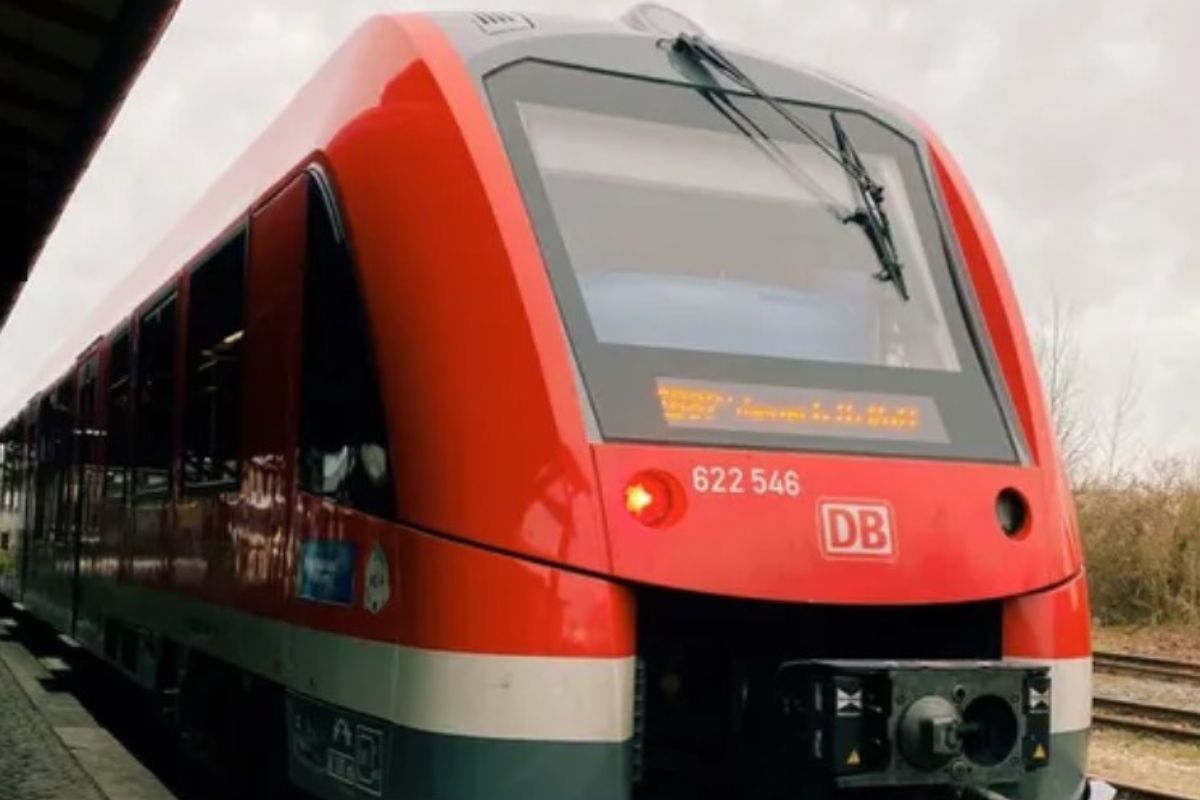
By Train
Rothenburg has its own station. Official arrival guidance routes rail travellers through Würzburg or Ansbach, then on a regional train via Steinach to Rothenburg Ob Der Tauber Germany. The historic old town is walkable from the station, though cobbles make a light bag easier than a heavy wheeled case.
Buy tickets through the DB Navigator app or bahn.de. Search from your starting city to “Rothenburg ob der Tauber”, not Steinach, so the full route appears on one booking. Open each result before paying and check the Steinach transfer. Keep the ticket in DB Navigator, where Deutsche Bahn also sends live journey updates.
For a fixed plan, compare the Super Saver Fare first. It is tied to the selected train and has no standard cancellation. A Flexible Fare costs more but gives more room, where a missed connection would damage the return journey.
For a rail day trip, I would cut the Tauber Valley first. The descent is manageable. The uphill return, station walk, and Steinach connection create the pressure. Keep the wall, St. Jakob, Market Square, and Plönlein. Those give you the stronger version of Rothenburg.
By Car
Rothenburg Tourism leads drivers from the A7, take Exit 108 Rothenburg / Tauber, then it goes on toward the city centre, just like that. Note the old town has a night driving ban between 7 p.m and 6 a.m, but hotels and businesses are still reachable, even when festivals come with extra closing times. Don’t just depend on the satnav by itself after you cross a gate or something like that. It’s better to follow the directions from your hotel that arrived with the booking.
If you’re only visiting during the day, the bigger car parks are P1 Friedrich-Horner-Weg, P2 Nordlinger Strasse, P3 Schweinsdorfer Strasse, P4 Galgentor, and P5 Bezoldweg. Cars and motorcycles pay EUR 1.30 per hour, from 9 a.m to 6 p.m. The official day ticket is EUR 8.
Parking is free overnight outside of those paid hours. P5 has a two-metre height limit. That limit matters for tall vans and roof boxes.
By Romantic Road Coach
The Romantic Road Coach is a seasonal day-trip option, not a year-round transfer. For 2026, it runs on Sundays from April 26 to September 27. Book directly through their official website.
Pick the Frankfurt or Würzburg day trip to Rothenburg, and then make sure you verify the exact departure place and return time before you pay. The present Würzburg trip goes out from the main station at 10:35 a.m., and it comes back from Rothenburg’s Schrannenplatz at 3:55 p.m., so you get about three hours on-site. Think of it like a set coach excursion, not a smooth, flexible way to travel along the route.
Also, don’t organize a hotel arrival check-in or any Night Watchman plan around this coach. Reconfirm the schedule and the stop location before you book, in particular around the start or the end of the operating season.
The Best Things To Do In Rothenburg Ob Der Tauber
This ranking moves from worthwhile extras to the part of the visit that changes the whole trip. Use it as a decision order. The best things to do in things to do in Rothenburg ob der Tauber are not a completion challenge, but experiences that would leave you stunned.
10. Eat Schneeballen on The Go
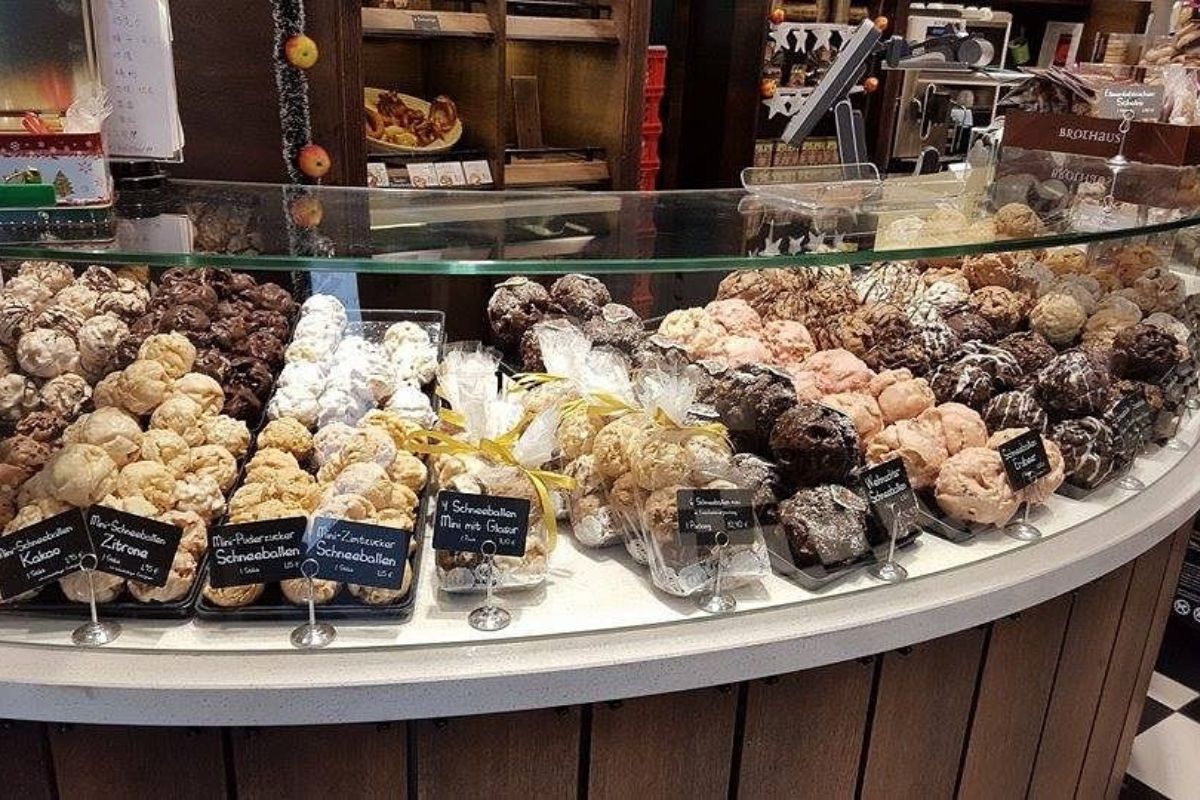
If I were trying to squeeze Rothenburg into one full day, I would sort of treat a Schneeballen as a quick snack stop, not a proper lunch. The pastry is dense, sweet, and it’s basically offered all over the old town in versions that are dusted with sugar, and also the chocolate-covered kind. Get one right after the wall walk, or near the end of the afternoon.
Keep lunch for a proper meal, especially when an evening tour starts at 8 p.m. A first visit needs enough energy for the wall and a night walk.
9. Visit The German Christmas Museum
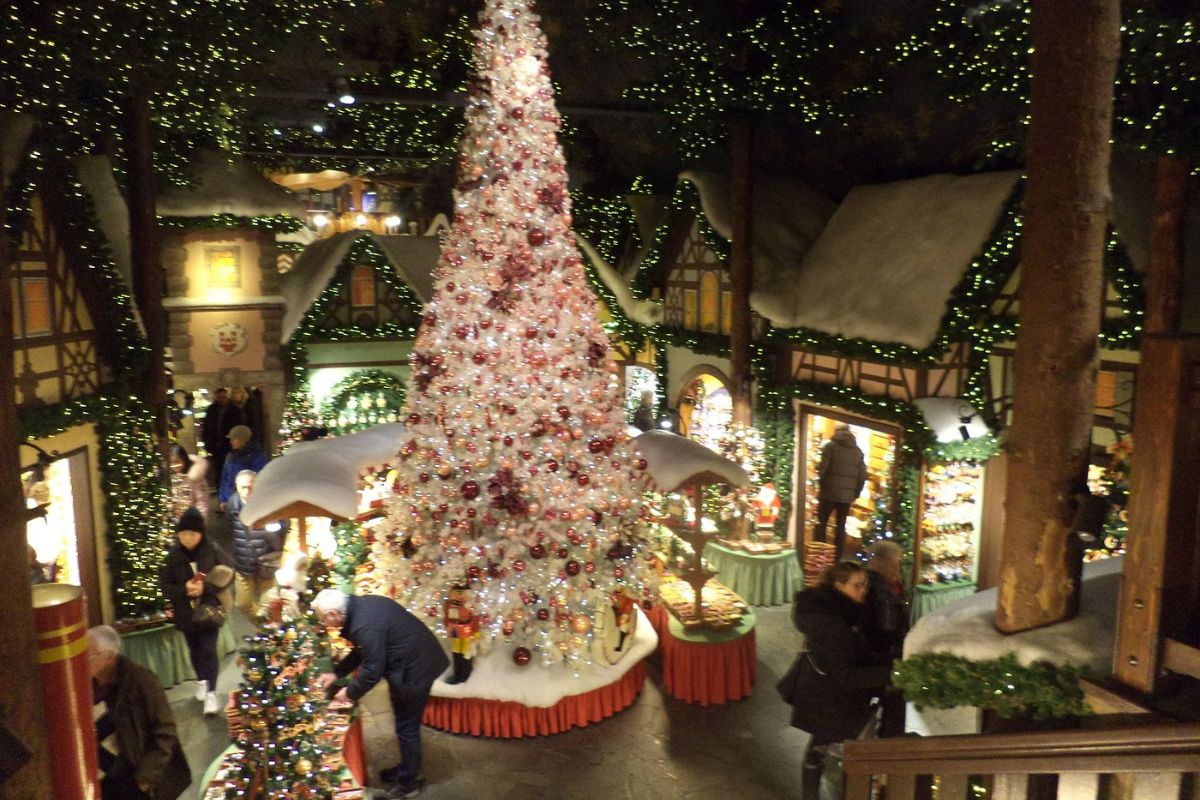
The German Christmas Museum is at Herrngasse 1, right beside the year-round Käthe Wohlfahrt Christmas village It’s more of a calm little stop. I would spend about an hour on this location, it’s not a half-day stop.
Use it when the weather is rainy, when summer heat gets too strong, or as a child-friendly reset between St. Jakob and Market Square. If the day is dry, I would save it, until after the wall, St. Jakob and Burggarten.
The museum has daily hours from 11 a.m. to 4 p.m. Adult admission is EUR 5. A family ticket costs EUR 11 for two adults with children under 14. The museum also mentions that barrier-free access is unavailable.
Do not send a stroller or wheelchair route through this stop without checking alternatives first. Skip it when Christmas objects are not your group’s interest.
8. Go Through Spital Quarter And Spital Gate
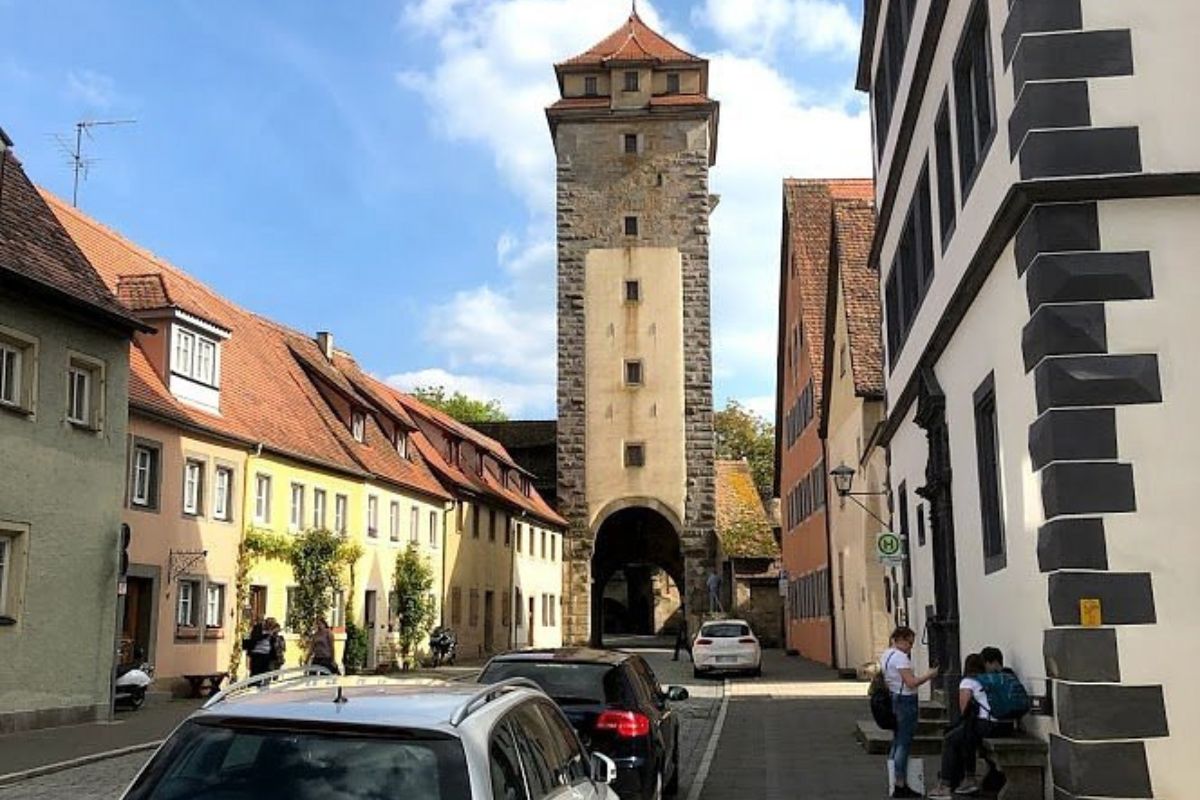
Spital Quarter is more useful than a quick walk through Plönlein. It shows how Rothenburg’s south side connects gates, wall sections, defensive spaces, and the route down to the Tauber. Start at Plönlein, walk south through Spitalgasse, then continue toward Spitaltor.
Spitaltor is the newest and most powerful structure in the old fortifications. Its Latin inscription reads, Peace to those who enter, salvation to those who leave.
Spend 20 to 30 minutes here during a one-night stay. Do not add a long valley descent from this point on a departure day. The gate works best as a wall-side extension after Plönlein.
7. Use Plönlein As A Route Marker, Not The Whole Visit
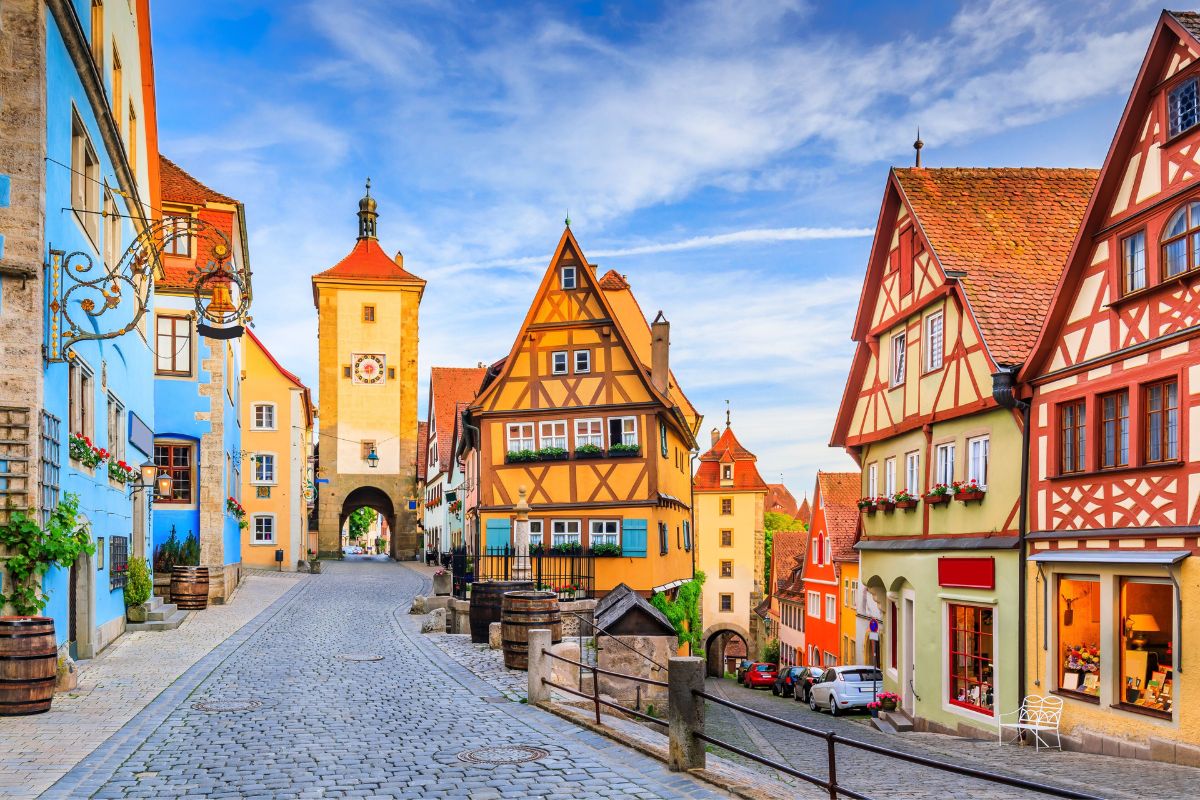
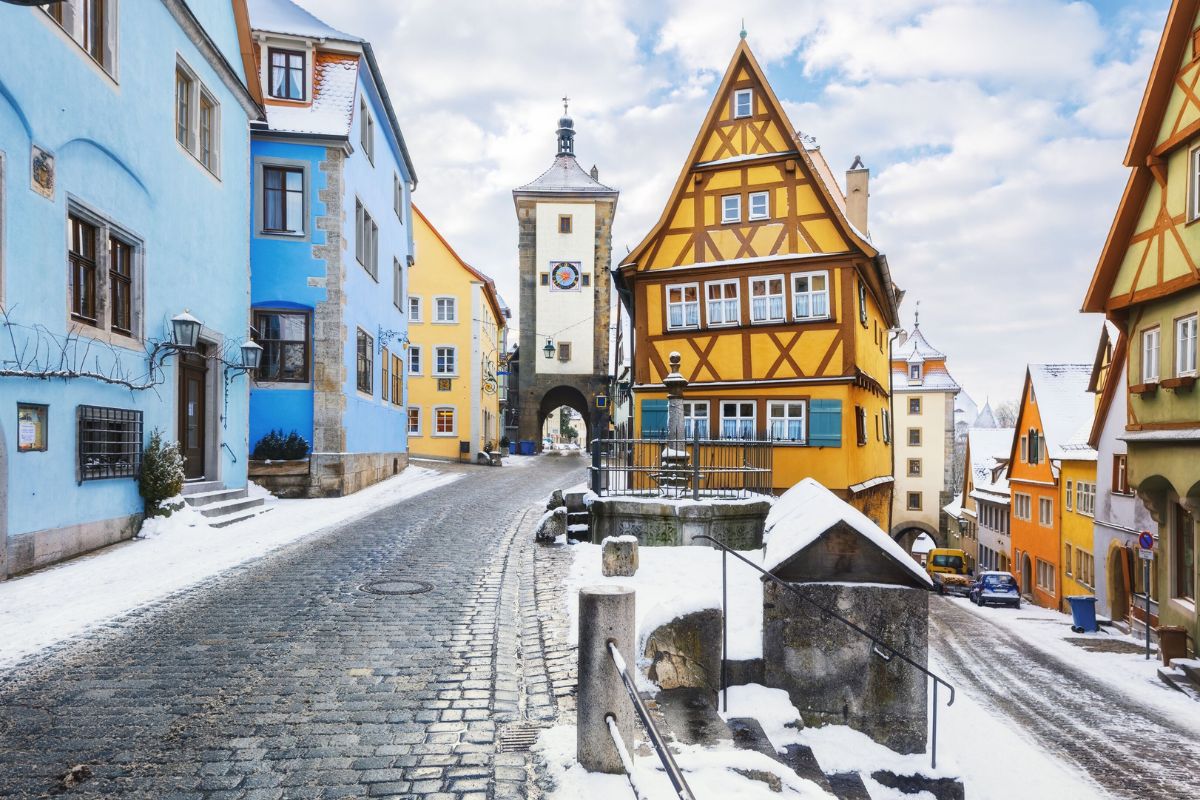
Plönlein is a small square with a fountain. Its famous view combines the yellow half-timbered building, the fountain, Siebersturm to one side, and Kobolzeller Gate to the other.
Give it twenty minutes during a short day. Then choose a direction. Turn north toward Market Square through Obere Schmiedgasse. Turn south toward Spital Quarter. Continue down through Kobolzeller Gate only when the Tauber Valley belongs in the plan. This logic stops Plönlein from turning into a dead-end photo stop.
For photographers, pair Plonlein with the wall and Town Hall Tower. Those three locations give the street-level frame, defensive rooftop angle, and broader town view. One Plönlein photo without the rest of the route tells only part of Rothenburg’s story.
6. Climb Town Hall Tower
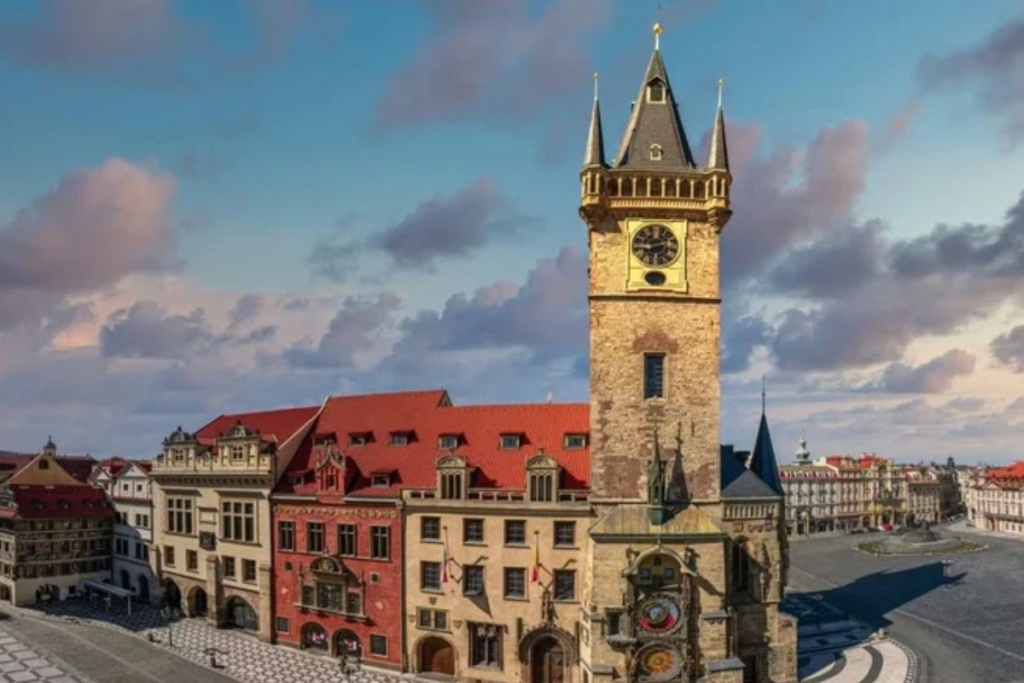
Town Hall Tower takes 220 steps to reach the viewing platform. The climb is the deal. The view gives a useful reading of the town’s map: Herrngasse to the west, St. Jakob close to the north, Spital Quarter toward the south, and the surrounding terrain beyond the roofs.
The official 2026 schedule lists daily hours from 9:30 a.m. to 12:30 p.m., then 1 p.m. to 5 p.m. Winter access drops to weekends, noon to 3 p.m. During the Reiterlesmarkt, hours extend later. Payment is on the tower, cash only. Adult entry is EUR 4. The tower is a reward for a person comfortable with the physical drill.
5. Treat St. Jakob As A Major Stop
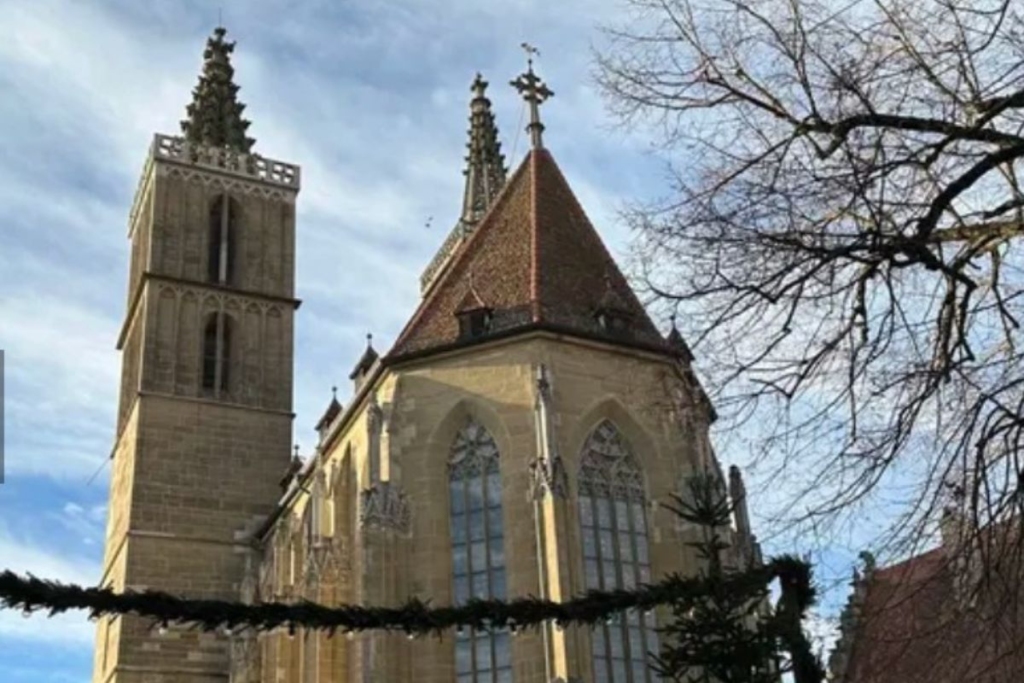
Construction began in 1311 and ended in 1484. Inside, Tilman Riemenschneider’s Holy Blood Altarpiece dates from around 1500, while Friedrich Herlin’s Twelve Apostles Altar includes an early image of Rothenburg’s Market Square. Give the church at least 40 minutes.
I would put it before lunch, especially in winter, when reduced hours leave less room for delay. A souvenir stop is easier to cut than this. The Holy Blood Altar by Tilman Riemenschneider is the reason many visitors enter. The building deserves a longer look than the altar alone.
Give St. Jakob 45 minutes on a short day. Give it 90 minutes when religious art, pilgrimage history, or late-medieval civic life shape the trip.
Opening hours change sharply by season. April through September runs from 10 a.m. to 6 p.m. October and December run from 10 a.m. to 5 p.m. January through March and November run from 11 a.m. to 2 p.m. Admission listed for public church tours is EUR 3.50 per person, while special services and church operations alter access.
4. Walk Burggarten Before You Commit To The Valley
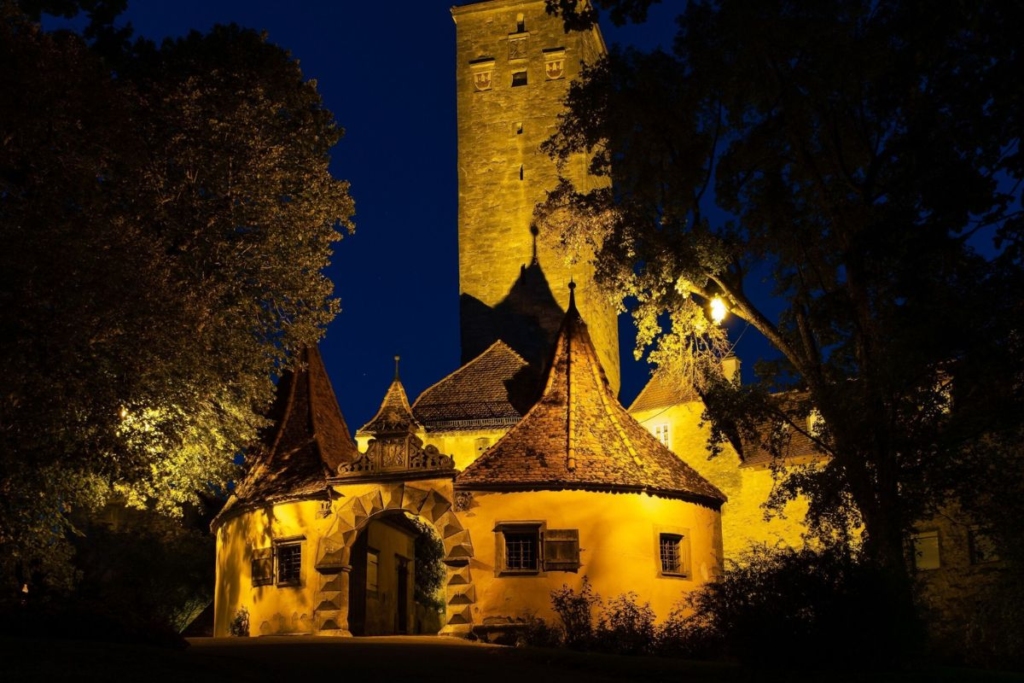
Burggarten sits behind Burgtor on the former castle site. It gives the town a quieter surface than the commercial lanes. Use it after Market Square or St. Jakob. The garden looks north toward Detwang and south toward the hospital district, Kobolzell Church, vineyards, and Double Bridge.
The wall is usually open 24 hours a day. The exception is Saturday evening during the Imperial City Festival.
The valley walk adds real value on a second day. It also comes with a steep climb back. I would skip it on a short visit, in midday heat, or before a fixed train departure. Burggarten gives enough of the landscape without turning the day into a race uphill.
3. Take The Tauber Valley And Double Bridge On Day Two
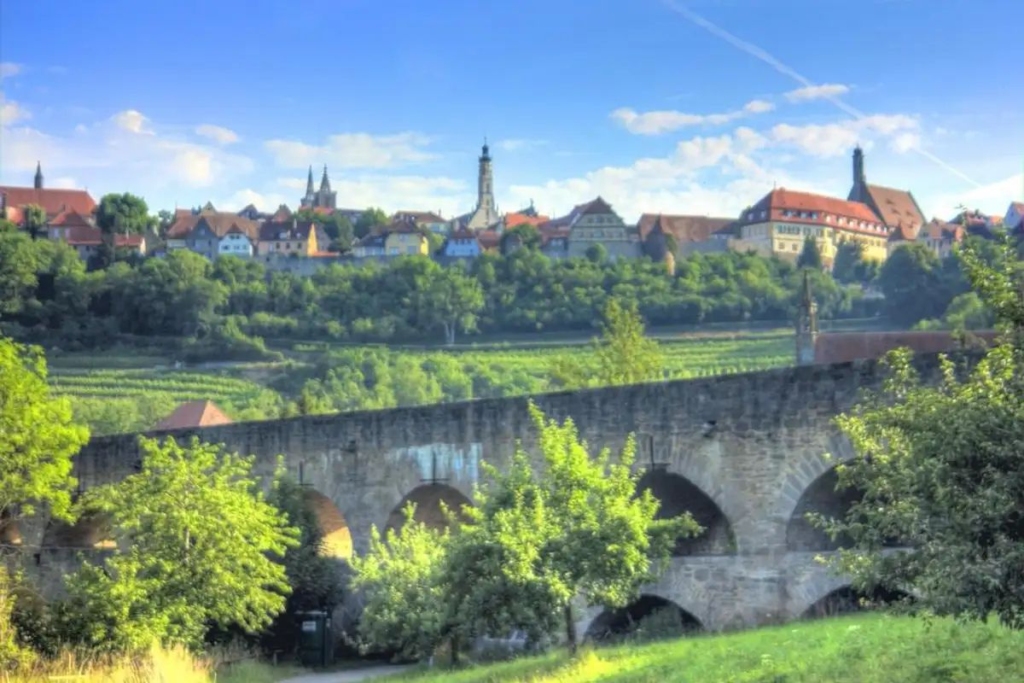
The Double Bridge lies below the town on Taubertalweg. It gives a lower view of Rothenburg’s skyline and links into a wider signposted walking network. There are 13 circular hiking routes starting and ending at Market Square, with more than 170 kilometres across the system.
For a short but meaningful valley extension, choose the W1 Detwanger Weg. The official route is 3.5 kilometres and takes about 1.5 hours. It runs through the old town, down into the Tauber and Schandtauber valleys, past 15 mills, then returns uphill. The route is paved in parts and ties into churches with works by Riemenschneider.
Toppler Castle sits at Taubertalweg 100. The building dates to 1388 and is on private property. Rothenburg’s official listing says short visits need advance contact, then waiting at the property entrance for the owner. Do not add it as a guaranteed drop-in attraction. Treat it as a booking-dependent extra.
2. Pick One Museum
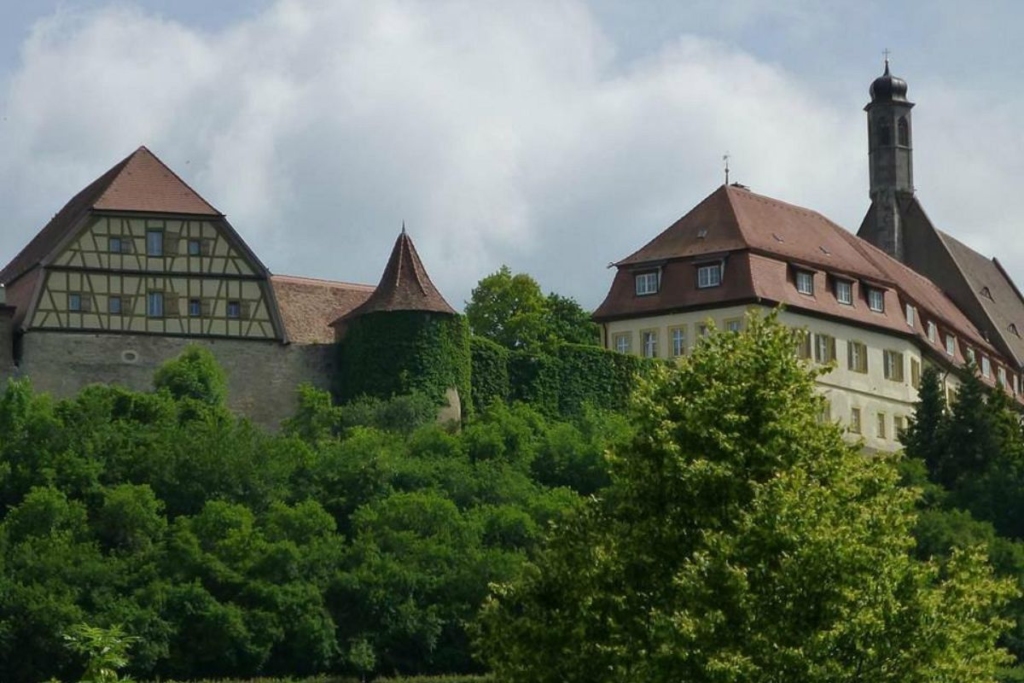
A one-day plan for what to do in Rothenburg Germany needs one museum at most. The Rothenburg Museum and the Medieval Crime and Justice Museum serve different visitors. Do not buy both tickets on a one-day visit unless rain removes the outdoor route. Pick one based on the question you want answered.
Choose the Rothenburg Museum for the city itself. The museum occupies a former Dominican convent at Klosterhof 5. Its collections span eight centuries, including the convent kitchen, cloister, Jewish cultural material, arms, crafts, furnishings, and the exhibition called Rothenburger Weg.
The museum’s own schedule lists daily from 2 p.m. to 5 p.m. January 12 through March 27, daily 10 a.m. to 6 p.m. March 28 through October 31, then daily 10 a.m. to 4 p.m. November 1 through January 11, it closes December 24 and 31. Adult entry is EUR 4.
Pick the Medieval Crime and Justice Museum for law, punishment, policing, legal culture, and all those unsettling bits of pre-modern justice. You’ll find it at Burggasse 3 to 5. Adult entry costs EUR 10.50, and it also includes special exhibitions.
The Crime Museum fits adults and older children with a clear interest in legal history. Skip it for children who react badly to material about punishment, torture, and execution. The museum gives a broader town story with more varied rooms and a better fit for a mixed-age history visit.
1. Stay Overnight For The Wall And English Night Watchman
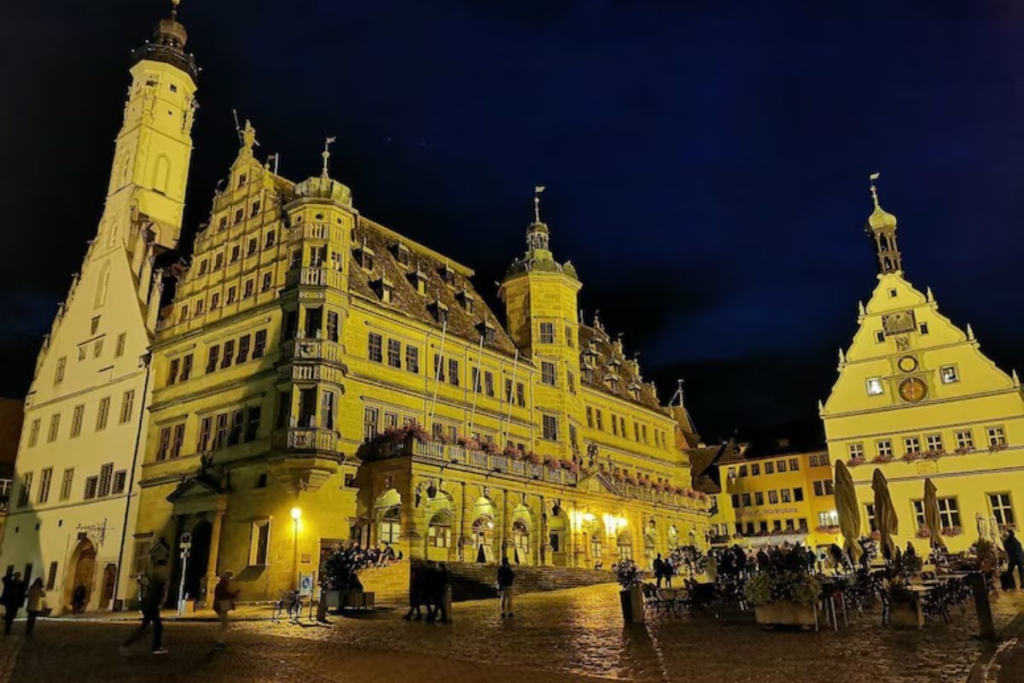
If I were protecting one part of a Rothenburg stay from a tight schedule, this would be it. Walk an early section before breakfast if you only have a day. If you are staying overnight, take the full route first, then you can stay in town for the English Night Watchman tour, which meets outside Town Hall at 8 p.m. on the scheduled dates and runs for about an hour, give or take.
This is the best experience, because it changes the whole structure of the visit. The city wall is open around the clock. The public English Night Watchman tour happens at Market Square right in front of Town Hall at 8 p.m., it lasts roughly 60 minutes, and it costs EUR 9 cash for adults. Kids under 12 can join for free.
English tours are only on Saturdays from January 10 until March 28, 2026, then they run daily from March 29, except December 24 through 26 and also December 31.
Walk the wall before breakfast. Rothenburg Tourism says the morning carries less activity on the wall. Start from a convenient entrance near your hotel. Do not feel pressure to complete all four kilometres. A shorter section near Rodertor, Kummereck, Klingentor, or Spital Quarter still gives the covered parapets, gates, rooftops, and valley glimpses.
Then keep the evening free. Eat before the meeting time. Bring cash. Meet at Town Hall with time to spare. The tour leaves no room for a late dinner booking across town. A hotel inside the walls is most useful here because the return after the tour is a short walk rather than a drive or station run.
This is the main answer to what to do in Rothenburg ob der Tauber, so give Rothenburg an evening and an early morning.
A One-Day Rothenburg Ob Der Tauber Itinerary
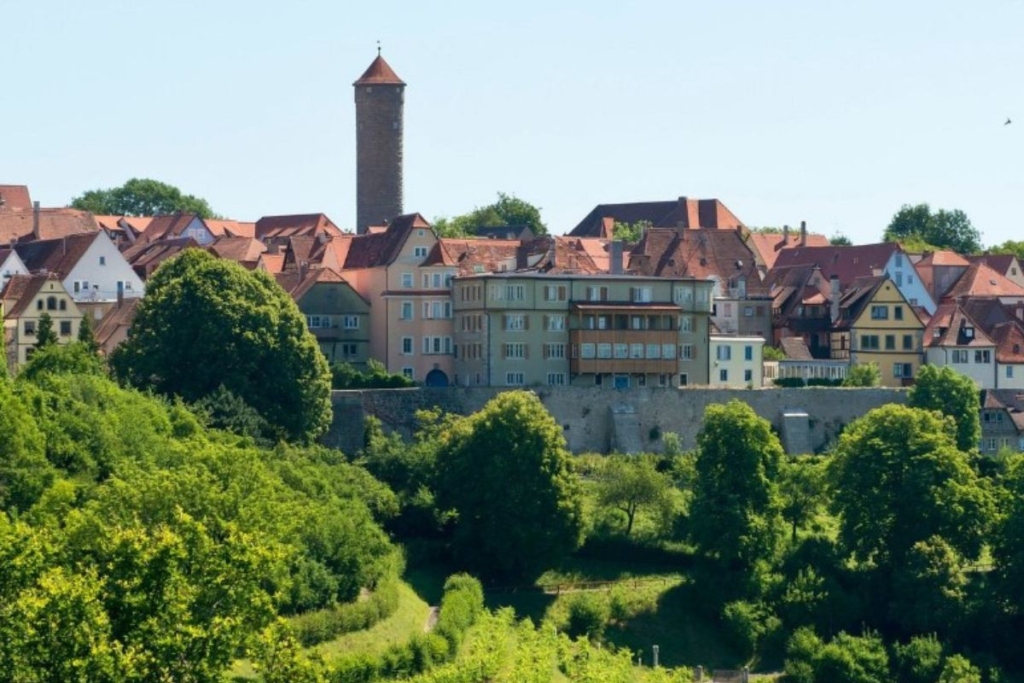
This route assumes an overnight stay or a full day with no early train departure. Day trippers should remove the final evening step and reduce the wall to one segment.
| Time Block | Route | Why This Order Holds |
|---|---|---|
| 8:00 to 10:00 | City wall from a nearby gate | Wall access is open, and tourism guidance places it in the quieter morning window. |
| 10:15 to 11:30 | St. Jakob | Protects church hours, especially outside summer. |
| 11:45 to 13:30 | One museum | Crime Museum or RothenburgMuseum, never both on a tight day. |
| 13:30 to 14:30 | Lunch near the old-town core | Keeps the later walking route intact. |
| 14:30 to 16:30 | Burggarten, Herrngasse, Market Square | Connects the west edge, central lane, and town hall. |
| 16:30 to 17:30 | Town Hall Tower if open, then Plönlein | Tower hours shape this slot. |
| 19:00 to 20:00 | Early dinner and cash check | Protects the public English Night Watchman meeting. |
| 20:00 to 21:00 | English Night Watchman | Adds the evening layer that day trips miss. |
Do not squeeze Tauber Valley into this route. Do not reserve a long lunch. Do not buy both museum tickets. The plan works because it respects open hours and protects the evening.
For a rail day trip, use this edited version: wall section, St. Jakob, Market Square, Plonlein, one museum or Town Hall Tower. Leave Burggarten for a short pause only. Skip the valley and Night Watchman. Aim for an exit through the gate that lines up with the station walk.
A Two-Day Rothenburg Itinerary
Day One: The Upper Town And Evening
Most Rothenburg things to do fit into one full day, but an overnight stay gives you quieter streets after dinner. Day one follows the one-day route. City wall early. St. Jakob. One museum. Burggarten. Market Square. Plonlein. Night Watchman. Do not add the valley. Stop while the core route still feels useful.
Day Two: Valley, Detwang, And The Museum You Skipped
Start at Burggarten or Spital Quarter. Take W1 Detwanger Weg for the 3.5-kilometre, roughly 1.5-hour loop, or build a slower valley walk through the Double Bridge area. Return uphill before the hot part of a summer day. Use the museum you skipped on day one after lunch.
A two-day stay also opens room for an official English public city tour. The public city tour lasts around 90 minutes. Foreign-language adult price is EUR 9 cash.
If the valley does not appeal, use day two for the Rothenburg Museum, the Christmas Museum, a shorter wall segment on the opposite side of town, and slow time in Herrngasse and the Monastery Courtyard. This is a better use of a second day than repeating Plönlein at different hours.
Where To Stay In Rothenburg Ob Der Tauber
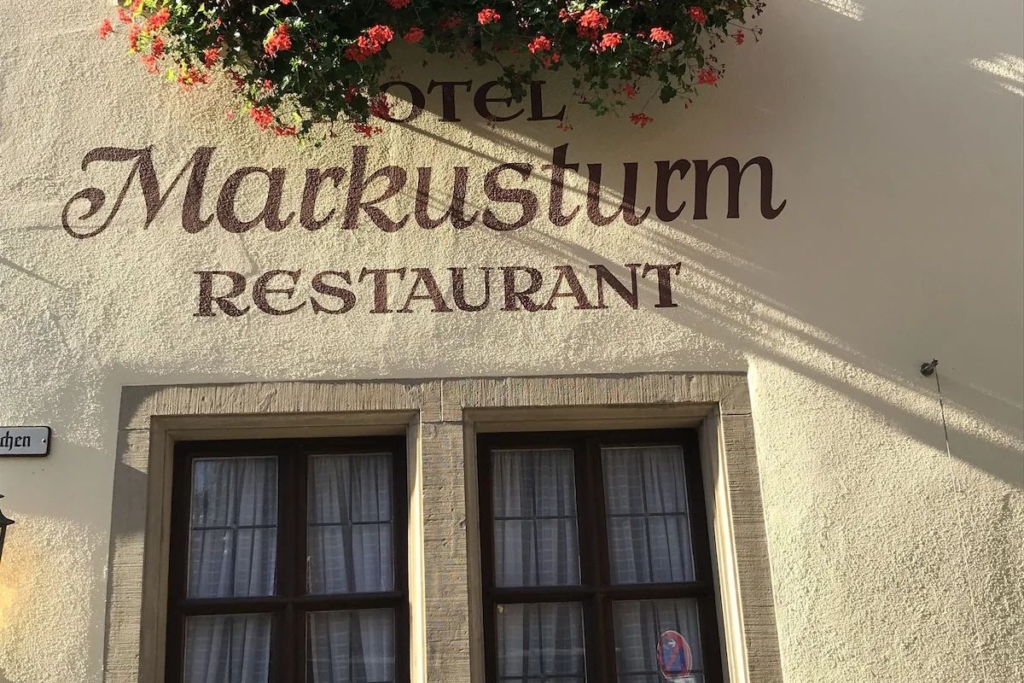
Where to stay in Rothenburg ob der Tauber is a logistics decision. Historic streets are good for the evening. Garages and private lots solve the driver problem. A lift matters more than an antique beam when luggage, knees, or strollers enter the trip. The right Rothenburg hotel keeps the old town close. For travellers planning a Mallorca stay next, our guide to where to stay in Mallorca compares the island by beach access, transfer time, and weather conditions.
Best Overall For A Historic One-Night Stay: Romantik Hotel Markusturm
Romantik Hotel Markusturm suits travelers who want a true old-town address and are comfortable with historic building limits. The hotel has a private guest car park 190 metres away. Staff states that luggage help is available during check-in hours, because the building has no elevator. The hotel also has a bicycle garage in Goldene Ringgasse.
Book this for a car-light couple stay, a short rail stay, or a first visit built around the Night Watchman. Ask for lower-floor access when stairs matter. Skip this choice if lift access, a room beside the car, or step-free movement controls the booking.
Best For Drivers Inside The Walls: Hotel Altes Brauhaus
Hotel Altes Brauhaus is the direct answer for a driver who wants an inside-wall stay without a parking gamble. The hotel lists 20 underground spaces within the hotel and 17 outdoor spaces. A lift runs from the underground garage to the lobby. Electric vehicle charging is available for a fee.
Reserve the parking space with the room. Do not assume the garage is included or that an outside spot will stay open. This hotel fits a Romantic Road drive, a family with luggage, and anyone who values arriving once and walking for the rest of the stay.
Best For Simple Vehicle Access: Hotel Rappen
Hotel Rappen sits beside the old town rather than deep inside it. The hotel describes itself as one minute from a gate and five minutes from the centre on foot. It lists 90 free spaces behind the property, subject to availability, plus lockable bicycle garages and EV charging.
The tradeoff is clear. You lose the full inside-wall setting after dark. You gain a parking position that does not require a maze of lanes or a separate luggage walk. For a one-night road trip, that trade is often sensible.
Best For A Central Rail Arrival: Hotel Eisenhut
Hotel Eisenhut sits in the old town and is located around 12 minutes from the train station on foot. The hotel has a limited number of paid spaces nearby, with a reservation required, plus an EV charging station. Its own arrival directions explain an old-town driving route through Wurzburger Tor.
Choose it for a central stay with a light bag and a rail arrival. Driver bookings should include a confirmed parking reservation. A hotel with limited spaces near the old town is not the same as a hotel with a guaranteed garage.
Best For St. Jakob, Families, And Extra Space: Reichskuchenmeister
Reichskuchenmeister stands in the central old town, facing St. Jakob. Its Standard, Superior, and Deluxe rooms are split between the main building and Viktoriahaus annexe. Superior rooms are more spacious and some suit children. Junior suites have a sleeping area plus a separate living area. Four holiday apartments sit 200 metres from the main building beside the city wall and suit two to four people.
Choose this property when St. Jakob and a central church-side base matter, or when a family needs more room than a standard historic double. Ask which building holds the booked room. The main building and annexe location affect the stay.
Where To Avoid Staying If Driving Matters: Hotel Gotisches Haus
Hotel Gotisches Haus is an old-town Herrngasse address, though its official guest information says it has no private parking. Guests are permitted to stop to load or unload. Public parking nearby has no advance reservations. The hotel lists an old-town permit at EUR 30 for 24 hours under current information, subject to event exceptions.
This is not an argument against the hotel. It is a booking warning. A traveler using rail or a taxi sees a central historic base. A traveler arriving by car sees a luggage stop, then a public parking plan.
Practical Safety And Planning Warnings
Wear shoes with grip. Wall stairs, wet cobbles, narrow gateways, and valley paths are easier in shoes with tread.
Do not drive through the old-town core after 7 p.m. without hotel directions. Rothenburg lists a 7 p.m. to 6 a.m. night driving ban in the core area, with hotels and businesses still reachable. Festival closures add further limits. Park first, then walk.
Do not take the full valley loop after a late lunch in high heat. Rothenburg Tourism warns about steep paths in hot weather. Bring water. Use shade in Burggarten. Keep the valley for a morning or a cooler day.
Do not treat an old-town hotel as an automatic no-car solution. Historic buildings often bring stairs, distant car parks, small access lanes, or load-and-unload restrictions.
Frequently Asked Questions
Is One Day Enough For Rothenburg Ob Der Tauber Germany?
One full day covers a wall section, St. Jakob, Market Square, Plönlein, one museum, and Town Hall Tower when its opening hours fit. One overnight adds the English Night Watchman and an early wall route. Two days add the Tauber Valley without cutting the old town short.
Do You Need A Car In Rothenburg Ob Der Tauber?
No. The old town is walkable after arrival. A car helps with a wider Romantic Road route and the nearby countryside. Train travelers reach Rothenburg through Steinach and walk from the station. Drivers need a car park or hotel parking plan before entering the walls.
What Should You Skip On A Short Visit?
Skip the Tauber Valley, a second museum, and a long lunch. Keep the wall, St. Jakob, Market Square, Plönlein, and either a museum or Town Hall Tower.
What Are The Best Things To Do In Rothenburg Germany, After Dark?
Join the English Night Watchman tour, then walk Market Square, Herrngasse, and the nearby lanes on the return to the hotel. The public English tour meets outside Town Hall at 8 p.m., lasts about 60 minutes, and requires cash payment.
Where To Stay In Rothenburg Ob Der Tauber For A First Visit?
Stay inside the walls when the trip includes the Night Watchman and an early wall walk. Romantik Hotel Markusturm is comfortable for travelers with stairs. Hotel Altes Brauhaus fits drivers who want a garage and lift access. Hotel Rappen fits drivers who prefer easy parking outside the dense lanes.
Are The Best Hotels In Rothenburg Ob Der Tauber Inside The Walls?
Inside-wall hotels win for the evening feel and easy access to the early wall route. Outside-edge hotels win for parking. The better choice depends on the arrival method, luggage, stairs, and how late the night tour runs.
Is Rothenburg Good In Winter?
Yes, for museums, St. Jakob, Christmas market, travel, and short outdoor walks. Winter cuts opening windows. Town Hall Tower runs weekends only from January through March and in November. St. Jakob drops to 11 a.m. to 2 p.m. during January through March and November. Use museums as the main route in wet or icy weather.
Is Rothenburg Expensive?
The free locations such as the City walls, Plönlein, Burggarten, Market Square, and most old-town walking provide premium experiences. Paid costs rise when a traveler adds multiple museums, a tower climb, a tour, parking, and an inside-wall hotel. Choose one museum and one evening experience rather than paying for every listed stop.
Final Planning Rule
Rothenburg rewards an overnight stay, especially on a first visit. I would book one night inside or near the wall, then build the stay around two quieter windows: the early wall walk and the hours after dinner. Put St. Jakob before lunch. Keep one museum for the afternoon. Take the Night Watchman tour at 8 p.m. when the schedule fits. Save the Tauber Valley for a second day rather than forcing it into a packed arrival afternoon.
The biggest mistake is treating Rothenburg as a photo stop between larger cities. Plönlein deserves the photograph, though it should not decide the trip. Give the town one evening and one early morning. That is when the route starts to make sense.