

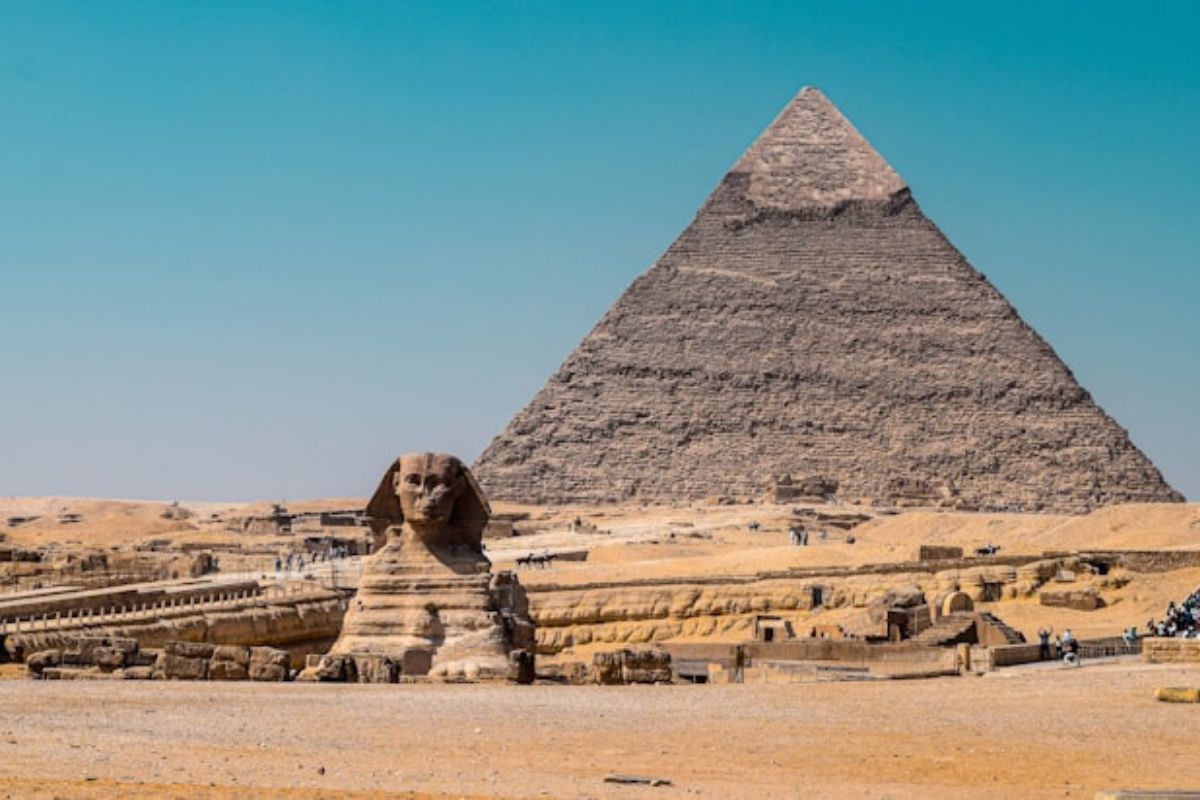
From the Pyramids of Giza and the Great Wall of China to the ruins of Machu Picchu and Petra, the world’s most famous historical places share one thing in common: they demand a smart game plan to visit.
A famous monument is not always a good trip. That is the part many travelers miss. A place can show up on every “historical highlights” list and still feel rushed, slightly overpriced, too hot, too crowded, or just poorly timed. The photo gives you the vibe, like what the landmark looks like, but the route, honestly, tells you if the day even works.
Machu Picchu still needs the right ticket before the train even matters. Petra needs shoes and time, not just a camera. The Taj Mahal needs a Friday check before you lock in the hotel. The Acropolis needs a heat plan in summer. Rome needs the ticket order because the Colosseum, the Forum, the Pantheon, churches, and museums all fight for the same limited daylight.
So this guide puts 15 famous historical places in a ranking, with one traveler question behind it: which place deserves your attention first?
15. Stonehenge, England
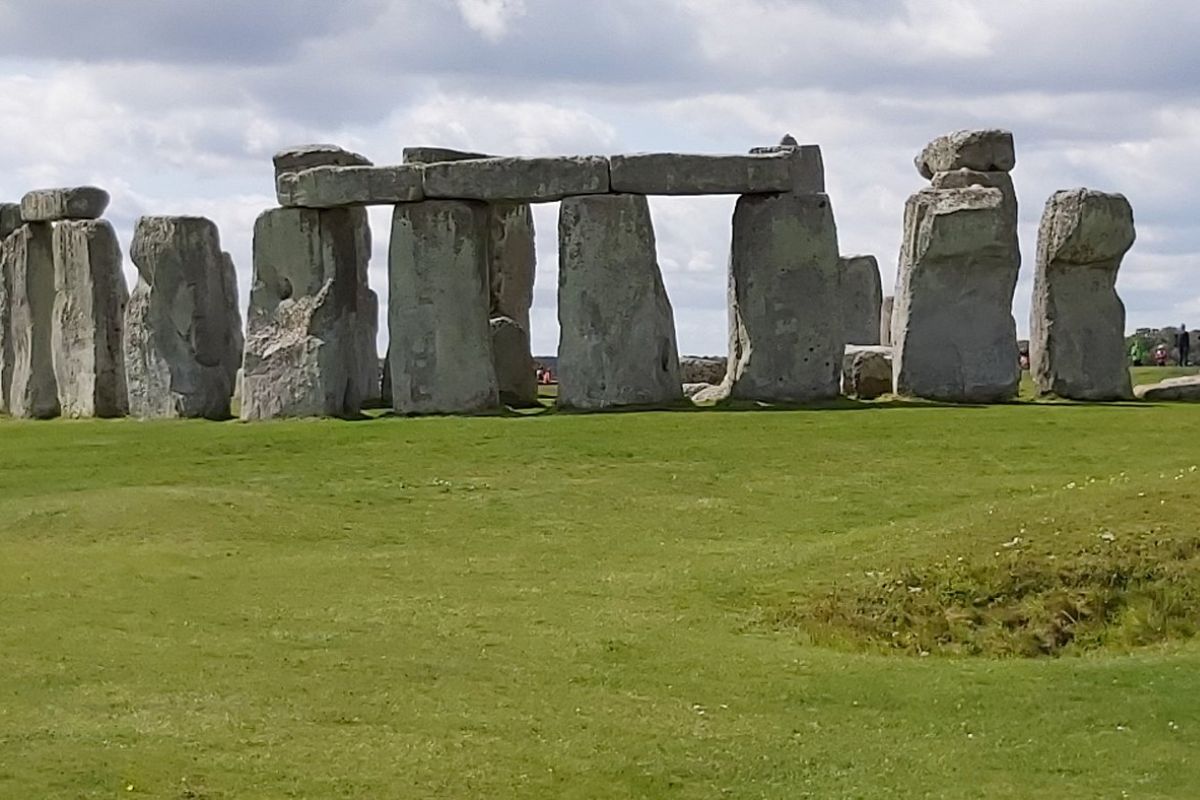
Stonehenge is the most architecturally developed prehistoric stone circle on Earth, while Avebury is the largest. The broader Wiltshire context really matters because these famous historical places were never meant to be treated as a standalone photo stop, just like that.
English Heritage sells timed tickets and states that advance booking saves against the gate price. The standard visit takes you through the visitor center, exhibition, shuttle or walking route, and the stone circle viewing path. The normal ticket does not mean walking freely among the stones. For closer access, the Stone Circle Experience uses a separate managed format.
Stonehenge suits families, London first-timers, and travelers who want a clean prehistoric stop. If your dream is to touch the stones at noon on a standard ticket, reset the plan before booking.
14. Rapa Nui National Park, Chile
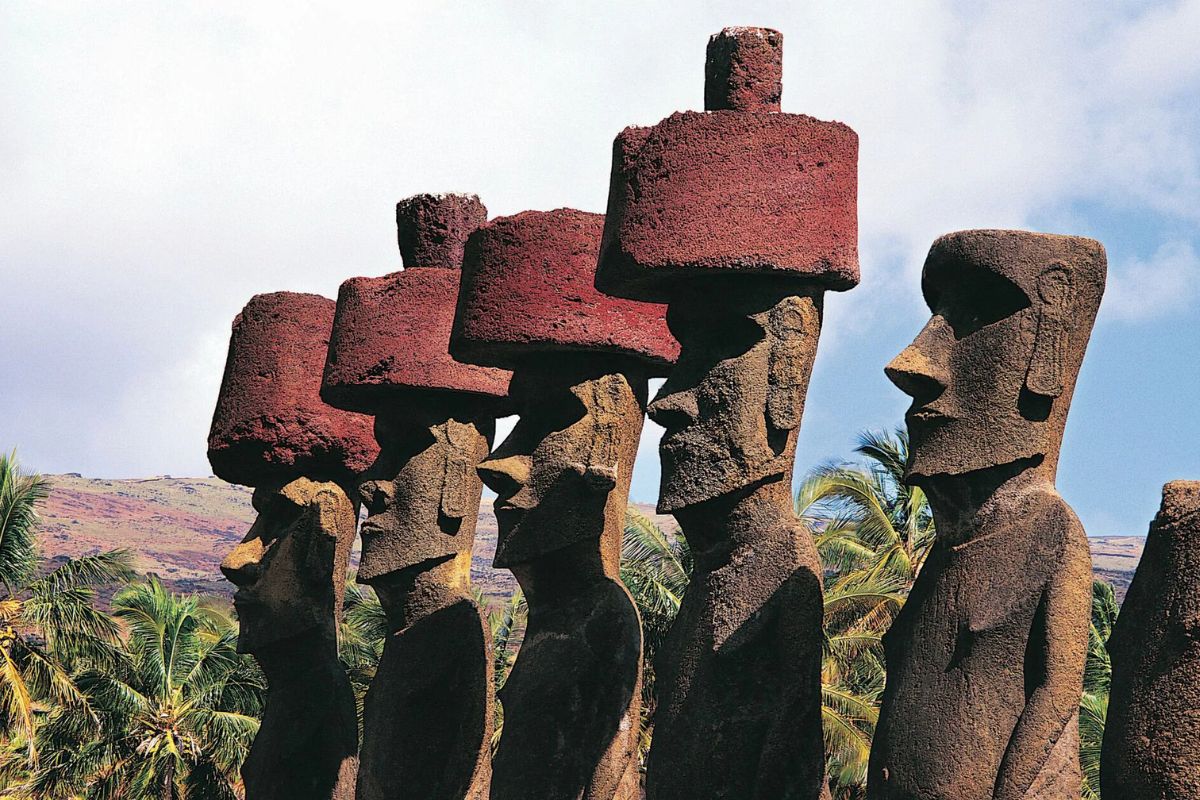
Rapa Nui is not a casual add-on. The monolithic human statues make the island one of the most famous locations in world archaeology, but distance controls the experience. Flights, lodging, food costs, weather, and guide rules all sit there as a kind of buffer between you and the stone figures.
There are two rules that matter before you travel to this location. Visitors need a park ticket, and entry to the national park requires a Ma’u Henua-accredited guide. That alone changes the whole mood of the trip to these iconic historical places. For the best route, I’d use Hanga Roa as the starting point, then add guided visits to Rano Raraku, Ahu Tongariki, Anakena, Orongo, Tahai, and Ahu Akivi.
Three nights is the minimum I’d recommend. Two nights can be fine on paper, but remote travel deserves more slack than a city break.
Rapa Nui tends to click for archaeology readers, Pacific culture travelers, and for folks whose budget is flexible enough to accept the distance. If your schedule is already tight, skip it. A hurried Rapa Nui visit winds up costing too much for too little actual time on the ground.
13. Historic Monuments Of Ancient Kyoto, Japan
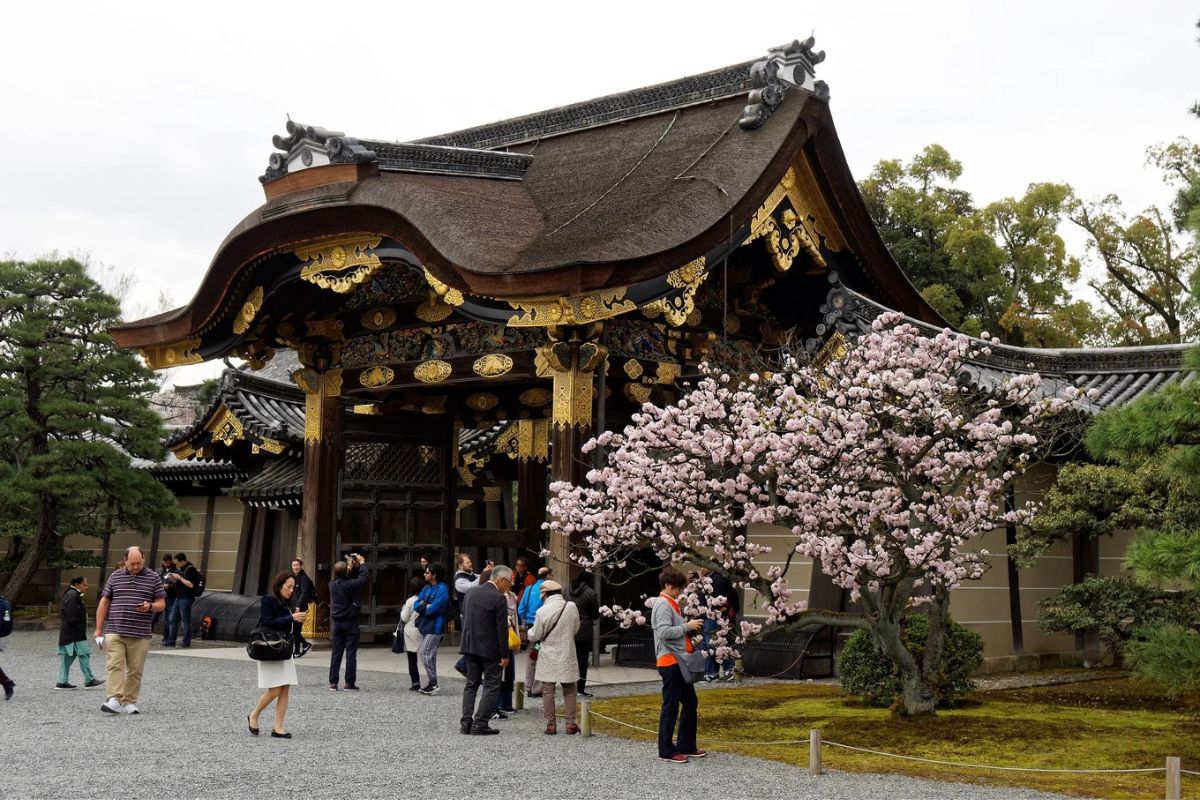
The property covers 17 component parts across Kyoto, Uji, and Otsu. That spread really matters. A first-timer who tries to jump from Kiyomizu-dera to Kinkaku-ji, then to Arashiyama, then to Fushimi Inari all in one day, would be stuck in traffic and won’t be able to absorb the city.
Kyoto needs a zone plan, not a “hit everything fast” plan. Use Higashiyama for Kiyomizu-dera, the older approach streets, and Gion. Use the northwest area for Kinkaku-ji, Ryoan-ji, and the temple circuits nearby.
Use Nijo Castle when political architecture is the theme you care about. Then use Uji for Byodoin, plus a calmer half-day out of the main tourist press. It stands out as one of the most historic cities in the world for those who slow down.
That early hour is useful because the lanes below the temple slow down once tour groups arrive. Kyoto’s transport also shapes the day. Buses fill fast around headline sights, and taxis get less useful when traffic builds near temple districts.
Kyoto fits travelers for three days or more. It also suits families who prefer shorter site blocks and regular food breaks. Stay near Kyoto Station for transport, or Higashiyama for walking access to the east-side temples.
12. Forbidden City, Beijing, China
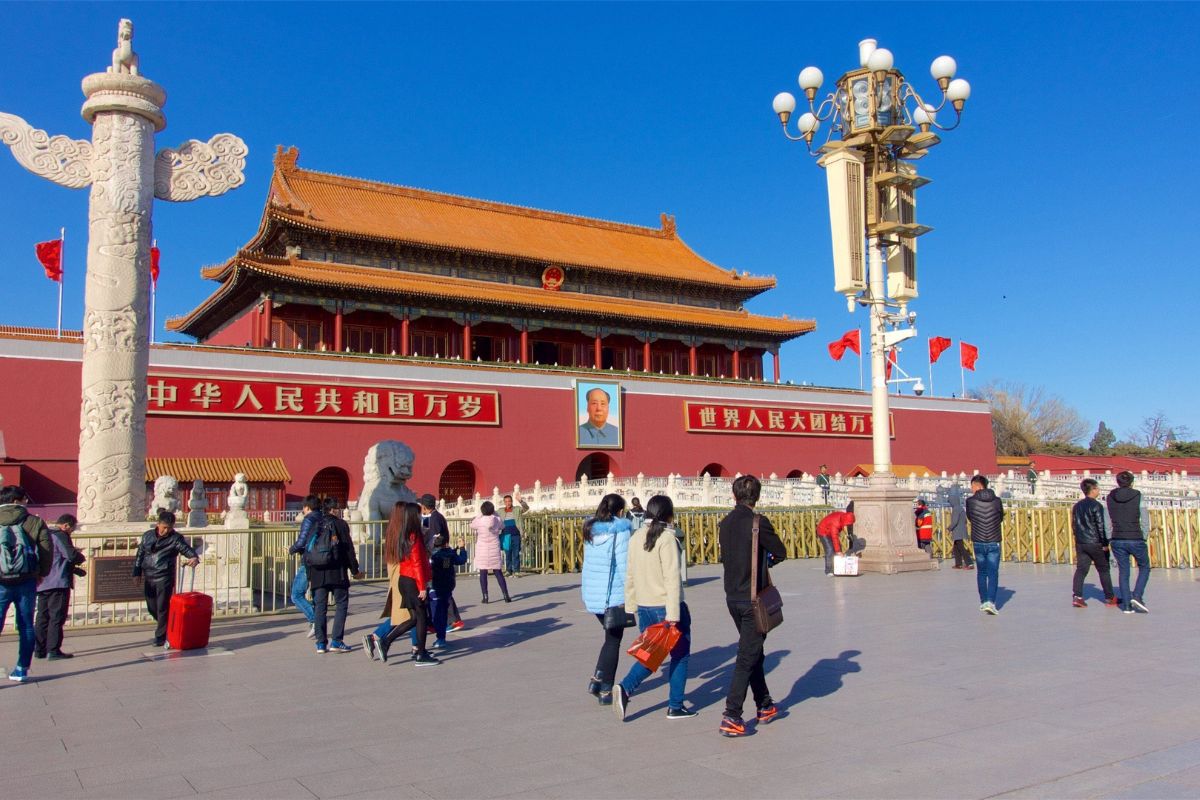
The Forbidden City feels almost too easy because the route is straight forward. You go in through the south gate, out through the north gate. Then you start seeing the courtyards, one after another.
The Beijing site, now the Palace Museum, is where most travelers mean go when they visit the Forbidden City. It is among the most well-known famous historical buildings on earth.
Ticketing deserves more attention than people expect. Beijing’s official visitor information says the Palace Museum closes on Mondays except statutory holidays, and it does not sell same-day tickets. Visitors should purchase in advance.
Plan something firm: keep to the Tiananmen area, the Forbidden City, and Jingshan Park together. Jingshan then gives you the overhead view back across the palace roofs. Don’t stack too many add-ons after the palace, because you’ll run out of daylight.
If you want to understand imperial ceremony beyond palace walls, it remains one of the premier historical places in the world to observe dynastic layout.
Stay in Dongcheng, in Wangfujing, or somewhere near a dependable subway line. A hotel far from the center costs you time twice, once in the morning, and again when the palace day ends.
11. Historic Areas Of Istanbul, Turkiye
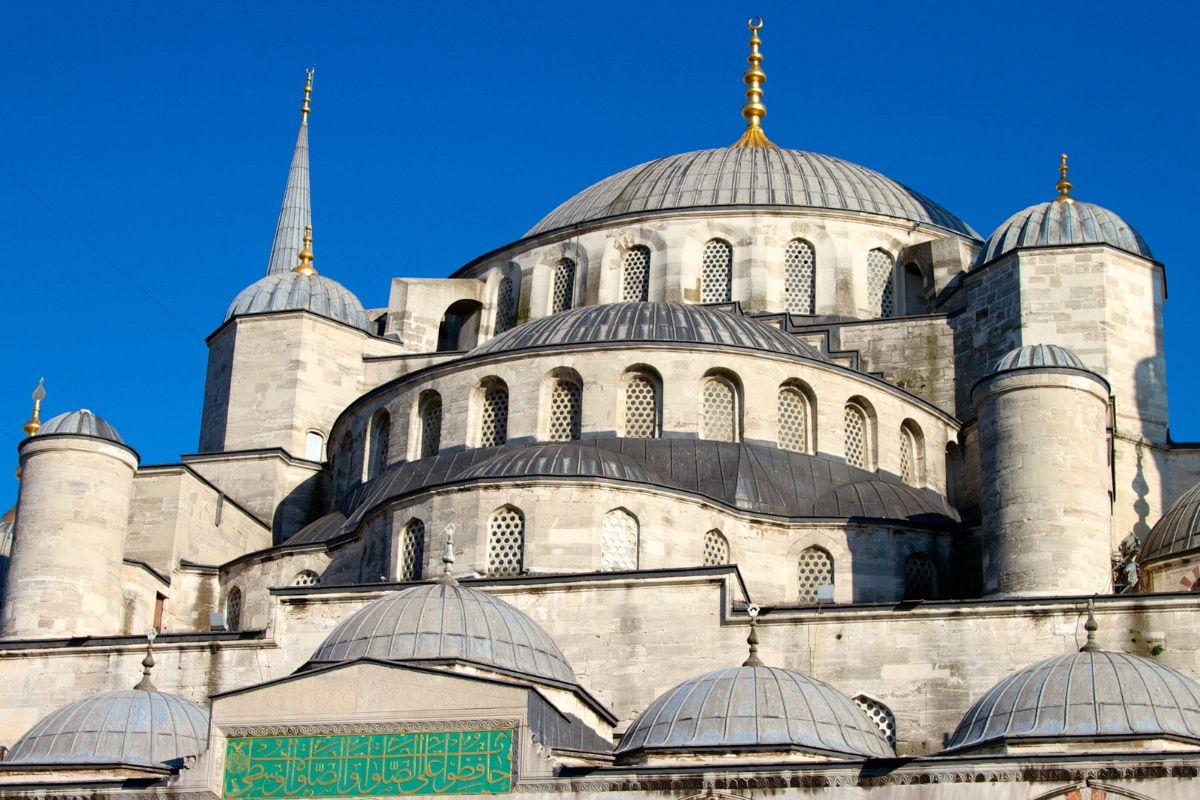
Many first-time visitors stop at Hagia Sophia and the Blue Mosque because it feels more practicable. A more organized trip follows the old city as a layered place, with Byzantine, Ottoman, religious, and civic spaces pressed close together, securing its rank among the most historic cities in the world.
Start in Sultanahmet early. Hagia Sophia, the Blue Mosque, Topkapi Palace, Basilica Cistern, and the Hippodrome area sit close enough for a heavy walking day. It is easily one of the top historical places to visit in the world.
Access rules matter because Hagia Sophia is an active mosque. Visitor areas, prayer closures, Friday access, and ticketed zones have changed in recent years. Check the current official or museum authority page before building the day around entry.
A cruise-style rush through Sultanahmet turns one of the most historic cities in the world into a queue. First-timers often sleep in Sultanahmet for easy morning access.
Karakoy or Galata make more sense if ferries, restaurants, and evening movement matter more. Wherever you stay, tram access beats a nice hotel pick.
10. Acropolis Of Athens, Greece
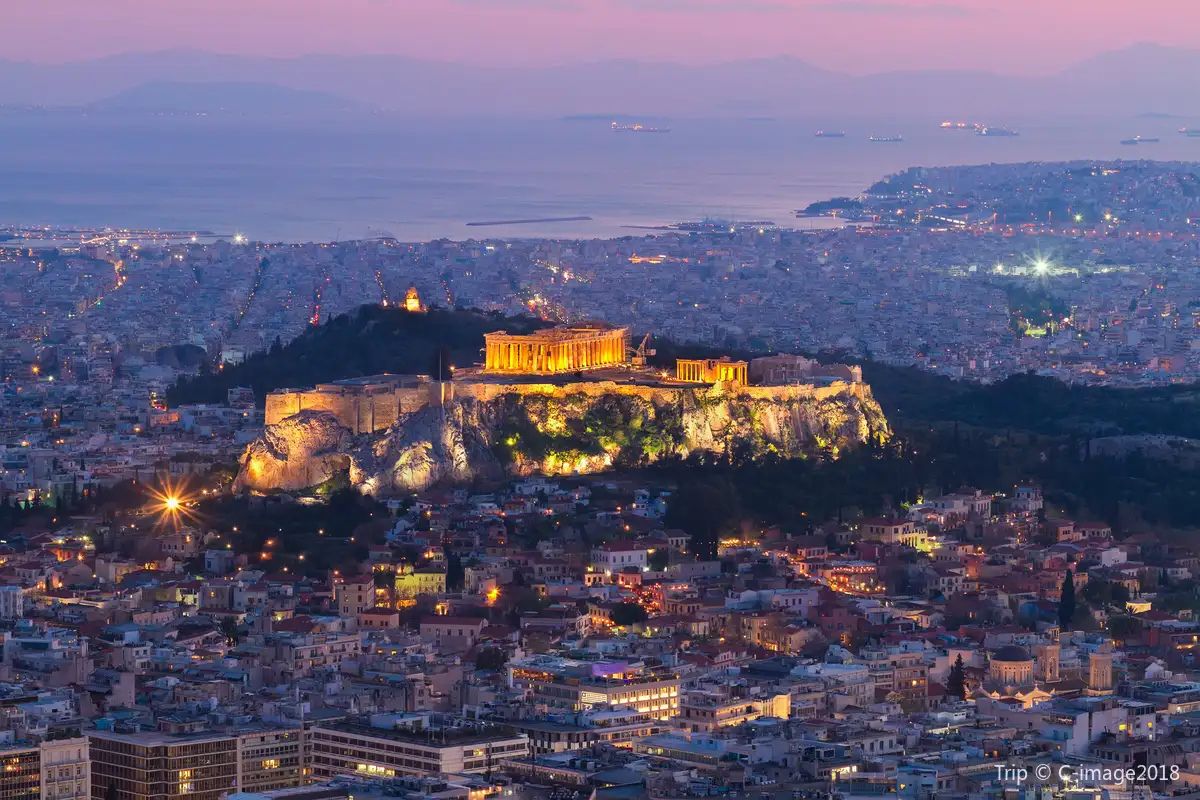
In cooler months, the hill works at a comfortable pace. In July or August, midday feels like poor planning. The roads are exposed, the stone reflects the heat, and the shade is limited, especially near the main monuments.
The Acropolis is a major symbol of classical Greek civilization. For the traveler, it feels compact but still intense: Propylaea, Parthenon, Erechtheion, scattered temple remains, slopes, and city perspectives from the rock. The Acropolis Museum gives you context after the climb, yet it’s run with separate ticketing and separate hours, so it’s not all one smooth thing.
The official Greek e-ticket platform manages archaeological site tickets. The Acropolis Museum, on the other hand, publishes its own opening times. So don’t assume one ticket covers both the hill and the museum.
I’d keep the day simple. Hill first, museum second, then Plaka or Monastiraki later. If the heat feels high, pick the earliest entry you can, or go later so the light turns softer. Bring water, wear shoes with a solid grip, and give yourself extra time for the descent, because the stone near your feet can get slick.
Athens is one of the easier cities for first-time travelers who want to explore ancient places in the world without all those complicated remote logistics.
9. Chichen Itza, Mexico
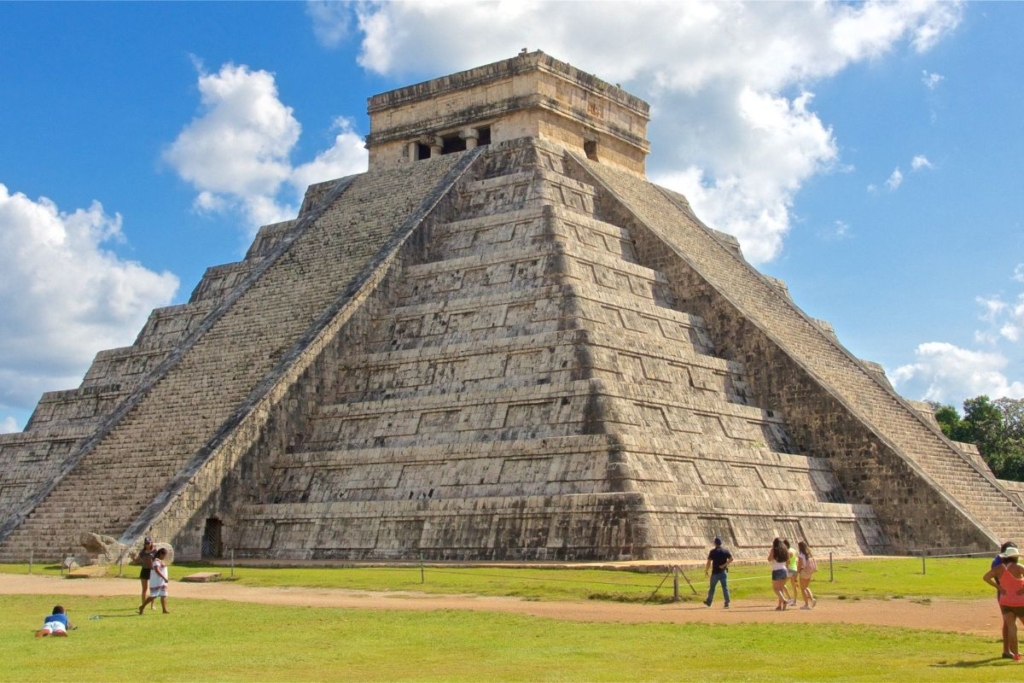
This site is one of the great Maya centers in the Yucatan Peninsula, built over almost 1,000 years. El Castillo takes the spotlight, but the Great Ball Court, the Temple of the Warriors, El Caracol, and the Sacred Cenote make the visit feel way bigger than just one single pyramid.
The timing issue is pretty predictable. A lot of visitors travel from Cancun, Playa del Carmen, or Tulum. That means long road time and a hotter, busier arrival. Valladolid makes the day easier. Merida works for a wider Yucatan route. Cancun works, but only if you accept the coach-day feel.
The site has limited shade in the areas most visitors want to see. A hat, water, and an early start matter more than a long breakfast. Chichen Itza suits families and road-trippers, but young children struggle if the plan lands in peak heat. Pair it with Valladolid, a cenote stop, or Merida. Without a pairing, the day can feel like a long transfer for a short visit to these legendary historical places.
8. Great Wall Of China, Near Beijing
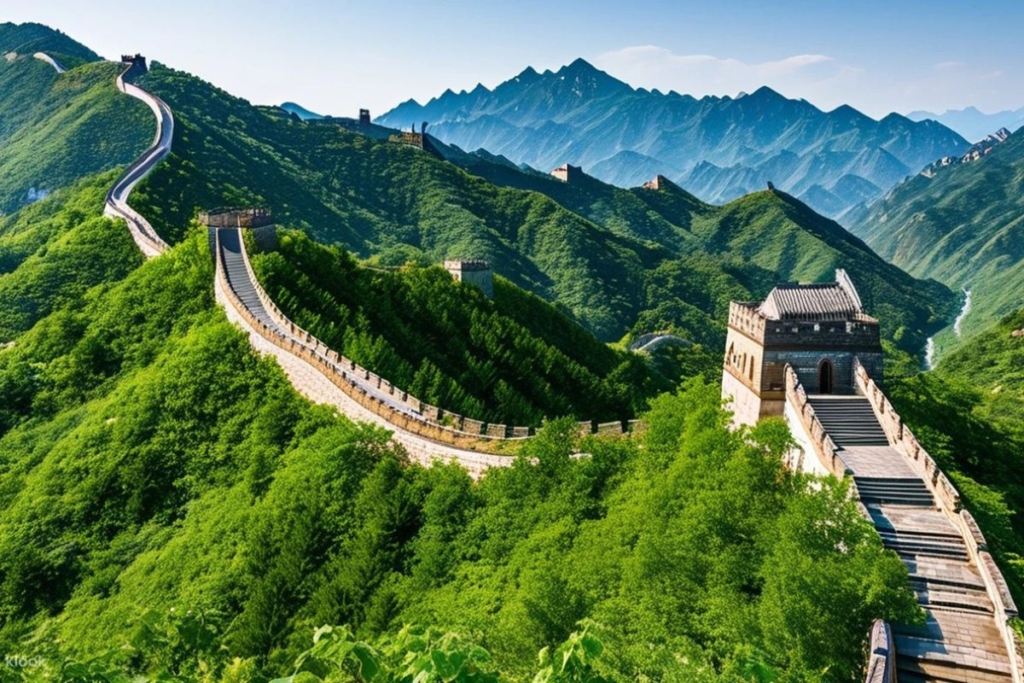
Do not book the entire Great Wall, it’s better to pick a section. The Great Wall stretches across northern China and was built over many centuries. That scale is the reason the site is famous, but it also creates the planning problem.
Badaling is the best-known and easiest for many visitors, which also means more crowd pressure. Mutianyu balances restored walls, mountain settings, and manageable access. It’s peak season hours are from March 16 to November 15, with opening at 7:30 and ticket sales cutoffs later in the day.
Jinshanling suits stronger walkers and photographers. It needs more planning and usually works better with a guide. Loose stone, steep drops, closed access, and unclear paths create real risk.
A Beijing base near subway access is enough for Mutianyu or Badaling. If sunrise or a quieter hiking section matters, stay closer to the wall for one night. Spring and autumn give the cleanest wall experience.
7. Old City Of Jerusalem And Its Walls
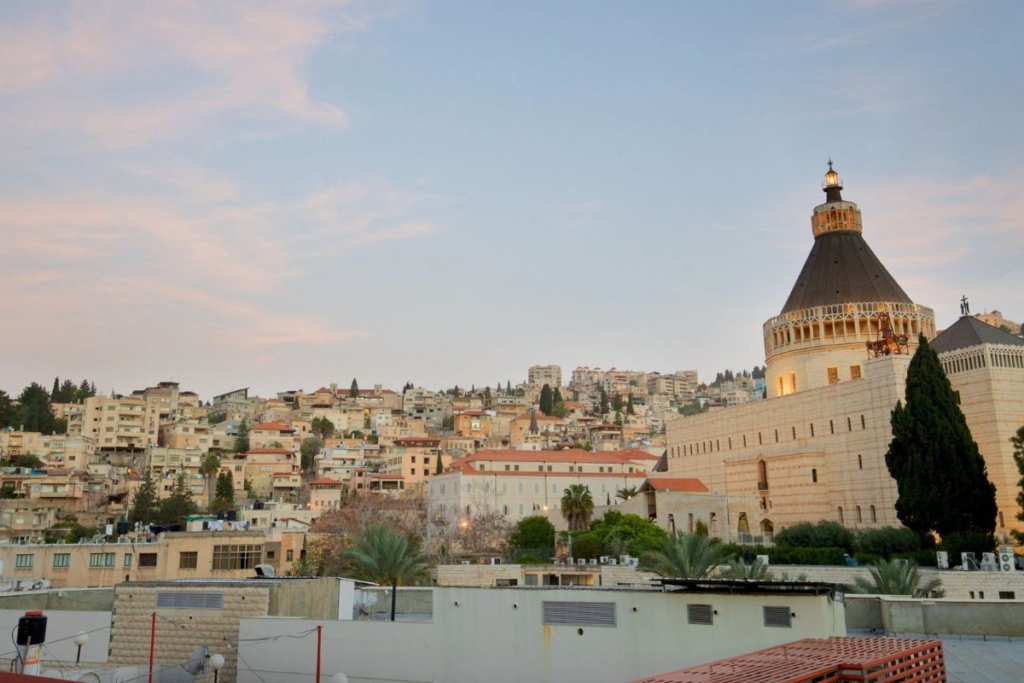
Jerusalem should not be planned from a travel list alone. Its place in this ranking comes from historical weight. The Old City Is a place with hundreds of historic monuments and deep importance for Judaism, Christianity, and Islam. The Western Wall, Church of the Holy Sepulchre, Dome of the Rock, Via Dolorosa, old gates, quarters, and markets sit inside a tight urban area where faith, politics, security, and daily life meet.
That also means safety advice comes first. Before booking, check your government’s current travel guidance and your insurance terms. The UK FCDO and U.S. State Department update Israel, West Bank, and Gaza advice as conditions change.
The Old City works best with a licensed guide if religious context, access rules, or political boundaries matter to you. Dress modestly for holy sites. Carry ID. Expect security checks. Build the day around early movement.
When conditions are suitable, one to two days gives a better frame than a half-day rush through these deeply significant historical places to visit in the world. Stay near reliable transport in West Jerusalem or close to the Old City.
6. Colosseum And Historic Centre Of Rome, Italy
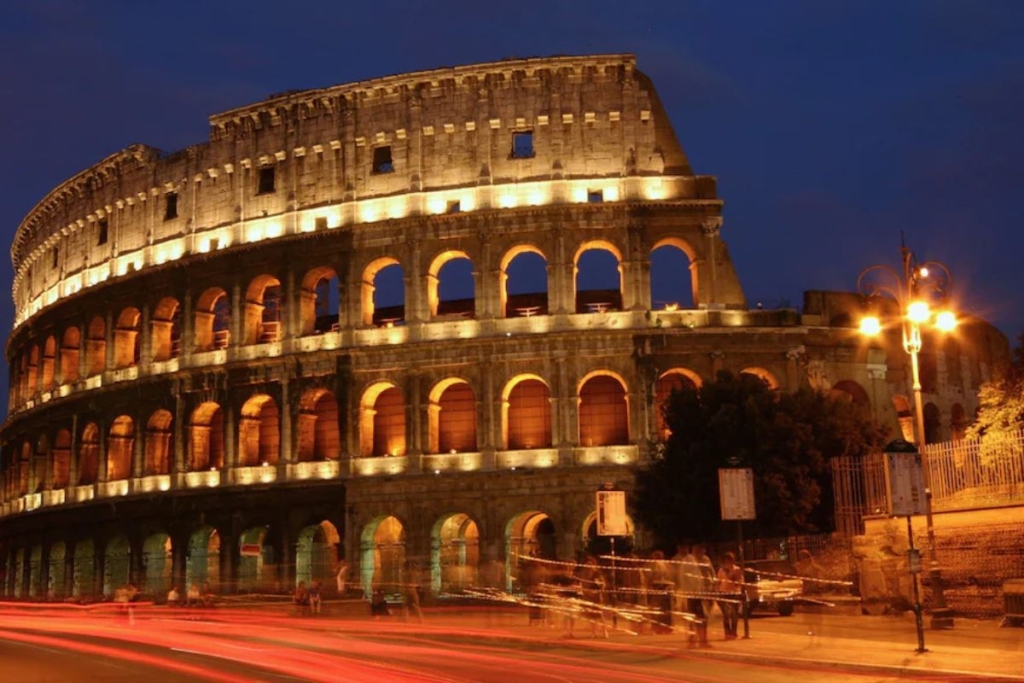
Rome is the best answer for travelers who want a historic city rather than one lone monument, and it works. The Forum, Palatine Hill, the Pantheon, Trajan’s Column, churches, piazzas, and papal Rome come together as a tight historic route.
A first Rome day should be arranged around the Colosseum. It opens by 8:30 a.m. and 9:00 a.m. for the Roman Forum and Palatine area. The standard 24-hour Colosseum, Roman Forum, and Palatine ticket has an official full fare listed at 18 euros.
Full Experience tickets cost more and cover added areas depending on the ticket type. Do not treat the Forum as filler after the Colosseum. The Forum and Palatine explain the city better than a quick arena photo. Book the timed entry first, then protect enough hours for the archaeological area.
The main reason people skip Rome during peak summer is because of the heat and that constant crowd pressure. If July or August is your only window, then start early.
5. Taj Mahal, Agra, India
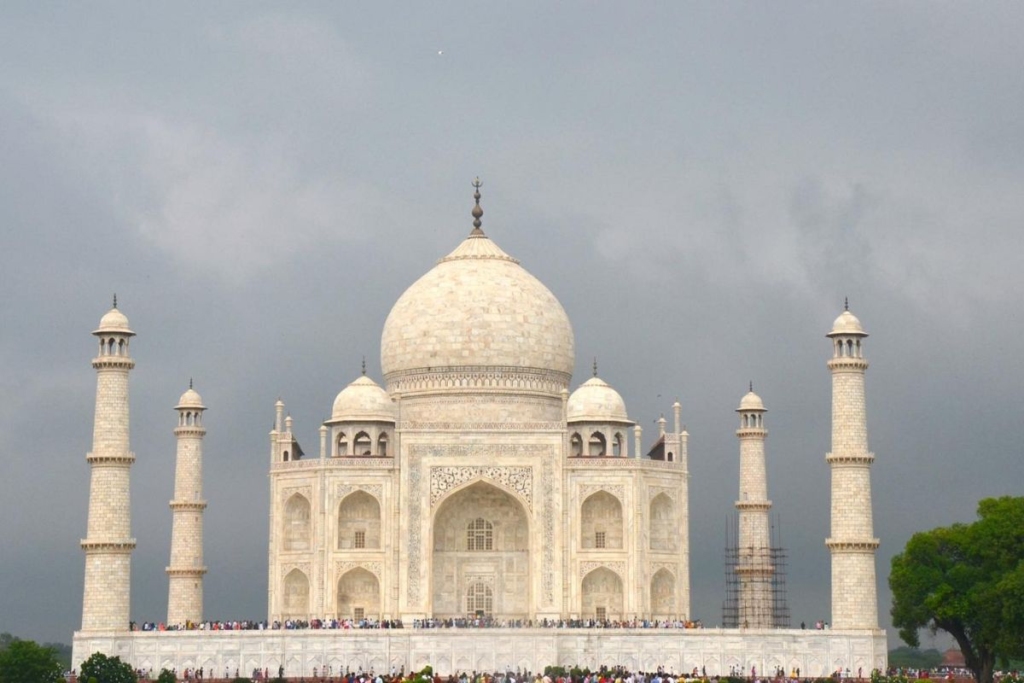
The Taj Mahal is one of those really rare famous historic places that somehow matches the idea you carry around in your head, but still asks for careful timing. Taj opens 30 minutes before sunrise, and it closes 30 minutes before sunset on standard days. It is closed on Fridays for public viewing.
The Taj Mahal Is a white marble mausoleum, which the Mughal emperor Shah Jahan built as a remembrance for Mumtaz Mahal.
You go through entry gates, security checks, and shoe covers, then you deal with photo crowds, garden paths, a marble platform, and finally the main mausoleum.
Sleep in Agra if this is one of your main historical places to visit in the world. Sunrise becomes realistic, and you avoid turning the Taj into a same-day transport test from Delhi. Pair the visit with the Agra Fort.
Add Mehtab Bagh across the Yamuna if the sky is clear enough for a softer late-day view. The Taj suits first-time India travelers, architecture readers, couples, and families.
It is less suitable for travelers who hate early starts but still want the calmest light. In that case, go late afternoon instead of joining the hottest midday flow.
4. Petra, Jordan
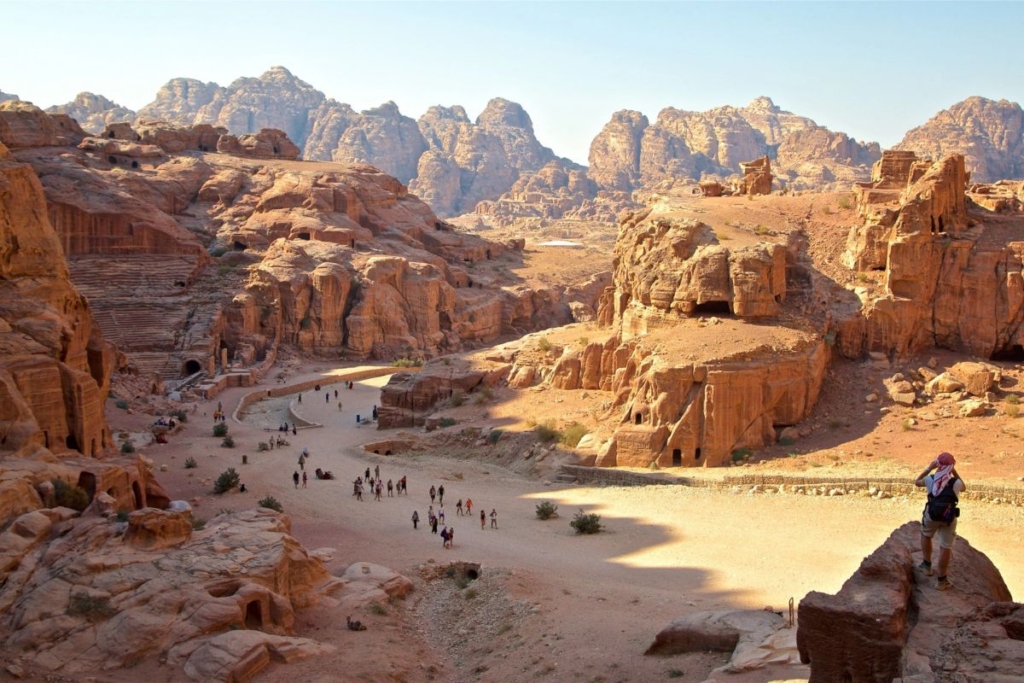
The Petra is a Nabataean caravan city between the Red Sea and the Dead Sea, half-built and half-carved into rock. That detail explains why Petra feels different from many famous historical sites. The city seems to come out of the cliffs, then keeps unfolding as the path rises and opens.
The Petra site has seasonal opening hours. Go early from Wadi Musa, if that first hour actually counts. Stay near the visitor center because once you’re moving, you don’t really want extra detours.
Shoes with grip are basically non-negotiable because the path has stone, sand, slopes, and uneven steps. Summer heat can turn a casual stroll into a long ordeal.
Rain is also a big deal, since the narrow canyon zones can bring flash flood risk, so if weather shifts follow the local directions immediately.
For time planning, one day gives the key highlights. Two days make Petra feel more like a living place, not just a to-do list.
3. Angkor Wat And Angkor Archaeological Park, Cambodia
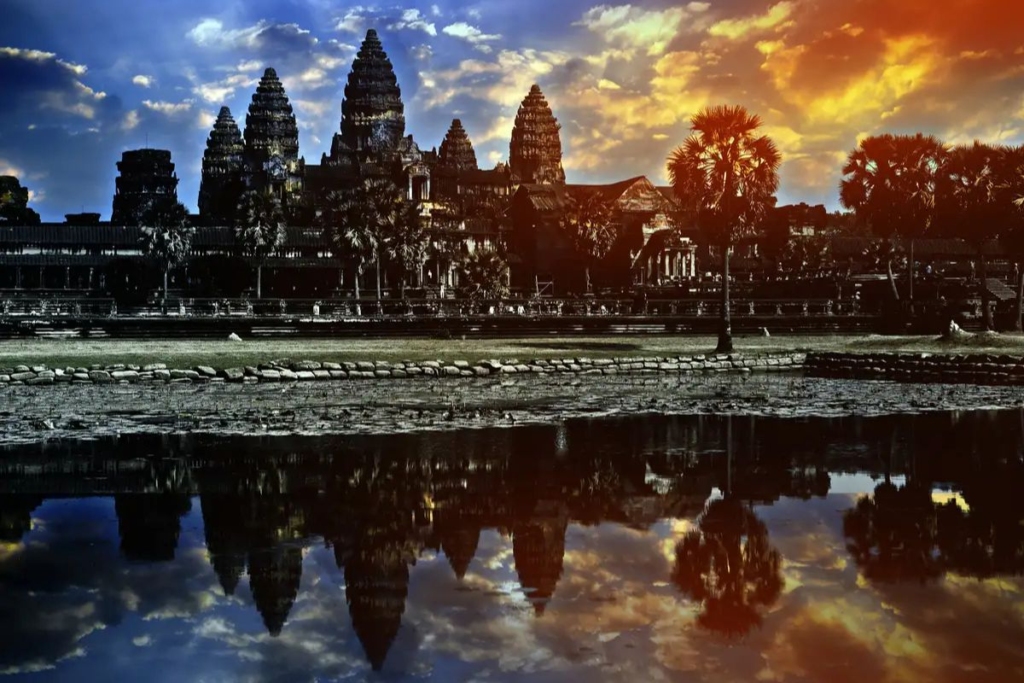
Angkor Wat is the headline landmark, but the archaeological park is way wider, and there’s more to the story than one perfect view. The Angkor is one of Southeast Asia’s most important archaeological sites, spread across about 400 square kilometers, including forested spaces. Angkor Wat, Angkor Thom, Bayon, Ta Prohm, and a lot of other remains all belong to the same broader narrative; it’s all connected.
You can get a 1-day, 3-day, and 7-day pass for the Angkor Temples Park. The current listed rates come in at 37 dollars for one day, 62 dollars for three days, and 72 dollars for seven days. For most first-time visitors, the 3-day pass feels like the sweet spot.
Siem Reap is the base. Stay close enough to restaurants and early pickups, because temple days begin before breakfast if you chase sunrise. Resorts farther out feel calmer, but late returns become a drag.
The route matters. Many visitors visit Angkor Wat sunrise, then follow the same small circuit toward Bayon and Ta Prohm. That creates crowd waves. A guide or driver who knows timing helps you reverse parts of the day, add quieter temples, and avoid the worst heat.
Angkor suits travelers who want ancient places in the world with time to move slowly.
2. Machu Picchu, Peru
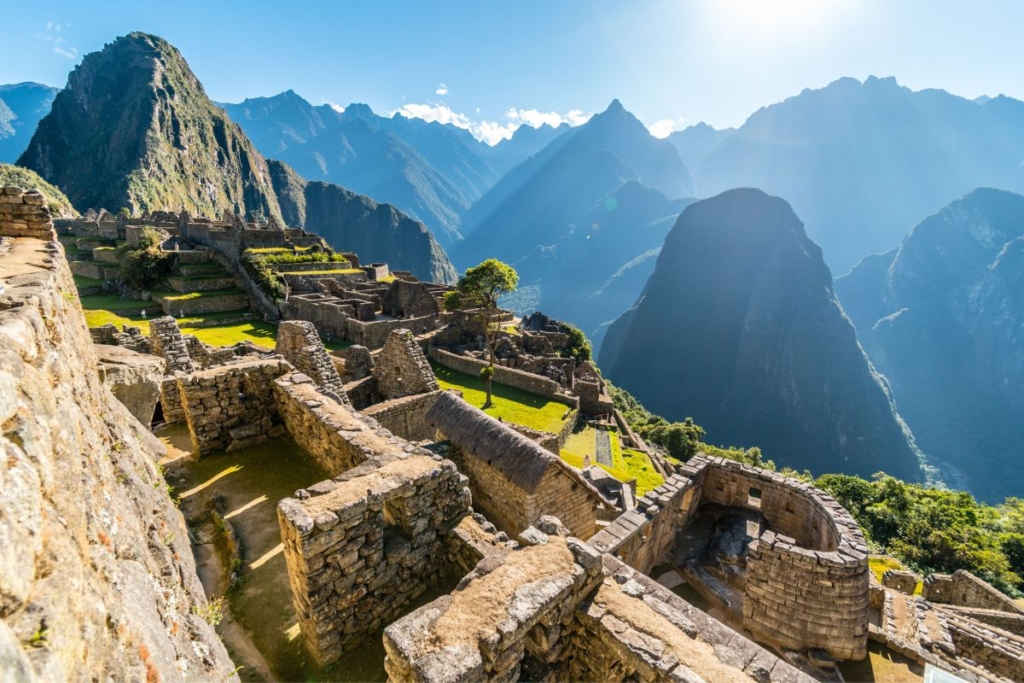
The Historic Sanctuary of Machu Picchu is a major Inca site set at 2,430 meters above sea level in a tropical mountain forest. The setting does much of the emotional work, but the current visitor system decides what each traveler sees.
Current access uses set circuits and routes. That means two travelers with different tickets may leave with different views, different walking routes, and different levels of site access.
The common route runs from Cusco or the Sacred Valley, then it goes over to Aguas Calientes, and after that, you travel up toward the ruins by bus. If you can do an overnight in Aguas Calientes, it really helps with stress, especially if you’re aiming for an early entry time.
Also, the Sacred Valley works as a better pre-Machu Picchu base than many people think, partly because Cusco sits higher and altitude can catch you before you even reach the ruins.
Machu Picchu fits travelers who can plan ahead early. It fits rail travelers too, hikers, photographers, and basically anyone who wants a celebrated historical place where the whole journey feels like part of the payoff.
1. Pyramids Of Giza And The Great Sphinx, Egypt
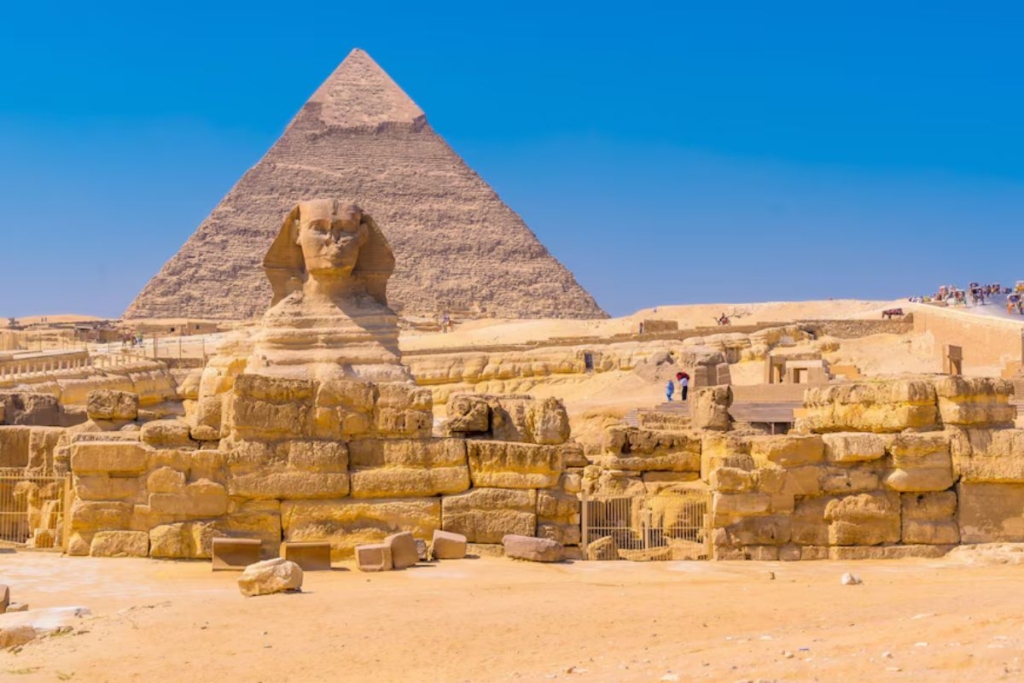
The Pyramids of Giza are the strongest overall choice for the most famous historical places across the world. They earn the top spot because they bring together age, immense scale, long survival, worldwide recognition, and practical access. Many ancient sites require remote travel. Giza sits beside Cairo, yet still holds the weight of the Old Kingdom in open desert light.
Egypt’s official monument pages cover the Giza Plateau and ticketing. The Grand Egyptian Museum ticket site also matters now, because many travelers will pair the museum with the plateau.
The planning issue is not whether Giza is worth it. The issue is how to protect the day. Go early. Heat rises fast, and shade is limited across the plateau. Decide before arrival whether you want general entry only, pyramid interior access, a guide, a panoramic viewpoint stop, or a museum pairing.
If you wait until the gate area to make every decision, drivers, vendors, ticket choices, and heat all compete for attention.
A strong first Giza plan looks like this:
- Start early at the plateau.
- See the Great Pyramid area before the day crowds build.
- Move toward the Sphinx.
- Use the panoramic viewpoint if weather and transport allow.
- Pair with the Grand Egyptian Museum only if you still have energy.
- Save Saqqara and Dahshur for a second ancient Egypt day if possible.
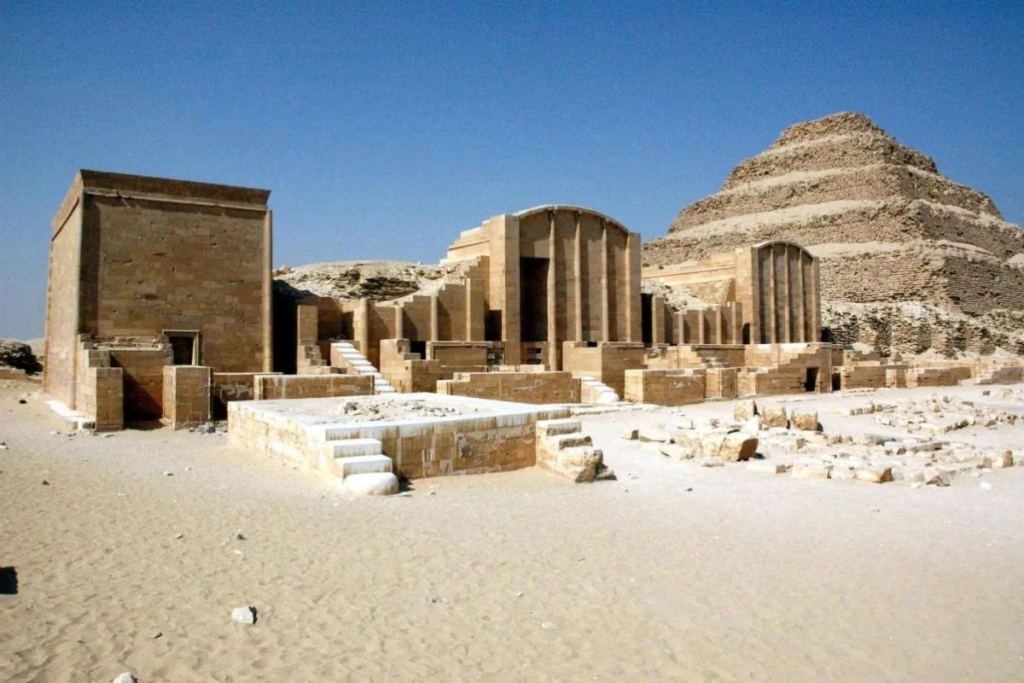
Do not cram every pyramid field into one tired day. Saqqara deserves its own time because the Step Pyramid of Djoser kind of helps Giza make more sense, in a way. Dahshur also shifts the story, especially for visitors who want pyramid development beyond those famous three.
Hotels with a Giza view work well if you’re chasing sunrise or sunset close to the plateau. Central Cairo tends to fit better for restaurants, museums, and smoother city movement. And if the Grand Egyptian Museum is high on your list, then staying on the Giza side can reduce transfer stress quite a bit.
This is the best first pick because even if someone has no deep history background, they still get the scale instantly the moment the pyramids appear in view. The site is famous for the right reason.
Cost And Timing Check
| Place | Ticket Reality | Time To Allow |
|---|---|---|
| Stonehenge | Timed ticket, closer stone access costs more | 2 to 3 hours |
| Rapa Nui | Park ticket and accredited guide required | 3 to 4 days |
| Kyoto | Many temple and site tickets, paid separately | 3 days or more |
| Forbidden City | Advance purchase needed, no same-day tickets noted by Beijing visitor page | Half day |
| Istanbul | Some mosque access affected by prayer times and visitor zones | 2 to 3 days |
| Acropolis | Site ticket and museum ticket are separate | Half day |
| Chichen Itza | Federal and state fee elements apply | Half day |
| Great Wall | Section choice changes cost, route, and effort | Half day to full day |
| Jerusalem | Safety advice and access checks come first | 1 to 2 days |
| Rome | Colosseum ticket controls the core route | 2 to 4 days |
| Taj Mahal | Main mausoleum needs extra ticket | Half day to full day |
| Petra | Day tickets, Jordan Pass, separate Petra by Night ticket | 1 to 2 days |
| Angkor | 1-day, 3-day, or 7-day pass | 2 to 3 days |
| Machu Picchu | Timed circuit ticket controls route | 1 to 2 site days |
| Pyramids of Giza | General entry plus possible extra tickets | Half day to full day |
How To Choose The Right Historical Places In The World
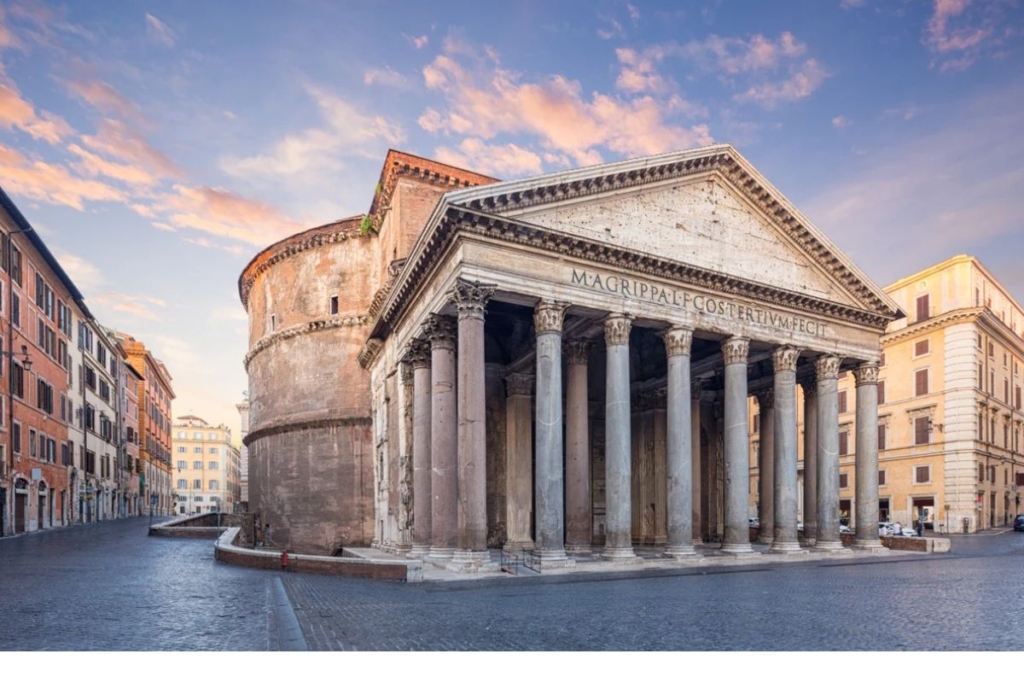
For a first world history trip, I’d put the Pyramids of Giza, Rome, Athens, the Taj Mahal, and the Great Wall up near the top. They bring strong recognition, plus they are practical to reach, which makes it easier on the planning.
If you build the journey around one main site, Machu Picchu, Petra, and Angkor Wat tend to give the trip a clearer shape. You don’t just show up, glance around, and leave. The road, rail, temple route, or canyon walk becomes part of the whole experience, even if it feels like it is smaller in advance, somehow.
For families, the simpler picks are Stonehenge, the Colosseum, the Acropolis, the Taj Mahal, the Forbidden City, and the Pyramids of Giza.
For students, the best “learning trips” usually include Rome, Athens, Jerusalem, Istanbul, Cairo, and Giza, Beijing and Kyoto. Those places tie together architecture, religion, empire, trade, ceremony, and the daily rhythm of city life.
For photographers, the strongest visual payoff tends to show up at Machu Picchu, Petra, Angkor Wat, the Taj Mahal, Rapa Nui, and the Pyramids of Giza. Still, the best light often means starting early, or coming back late, so don’t plan it all like it’s a fast stop.
For short trips, choose Rome, Athens, Istanbul, Beijing, Agra, or London, plus Stonehenge. Delay Machu Picchu, Rapa Nui, and Angkor if your timeline is too compressed. Once these famous historical sites get shoved into leftover days, their value drops fast, kind of quietly.
Frequently Asked Questions
What are the most famous historical places in the world?
When people talk about world heritage, it usually somehow leads to places like the Pyramids of Giza, Machu Picchu, Angkor Wat, Petra, the Taj Mahal, the Colosseum, the Great Wall of China, Chichen Itza, the Acropolis, Jerusalem Old City, Istanbul’s historic areas, the Forbidden City, Kyoto’s historic monuments, Rapa Nui National Park, and Stonehenge.
Which one historical place is the most famous ?
I’d go with the Pyramids of Giza; it seems like the strongest single answer. They mix extreme age, massive global recognition, ancient architecture that still holds up, and they’re easy to reach from Cairo.
Which historic city gives the best first trip ?
Rome is the best first historic city option. The Colosseum, Roman Forum, Palatine Hill, Pantheon, plus churches and piazzas, and even the Vatican area, create a dense route with less friction than places that are more remote.
Which famous historical sites need advance booking ?
Machu Picchu, the Colosseum, Angkor Wat, Stonehenge, the Acropolis, the Forbidden City, Petra, and Rapa Nui all tend to require advance checks. Machu Picchu feels the most sensitive, because the circuit you follow changes what you actually see.
Which ancient places are easiest to visit?
The Colosseum, Acropolis, Taj Mahal, Stonehenge, Forbidden City, and Pyramids of Giza are easier overall than Machu Picchu, Rapa Nui, Petra, or Angkor. Easy doesn’t mean effortless, though. Tickets, heat, crowds, and occasional closures still matter.
Is Petra worth visiting for one day?
Petra is worth doing in one day, but only if you start early and walk past the Treasury. Two days are better, because a rushed same-day hop from Amman kind of drains the experience, and you notice it fast.
Is Angkor Wat worth visiting for one day?
One day works for the headline sites, but three days gives you a better experience. Angkor is more like a park system, not just one temple, so it kind of demands breathing room.
What is the biggest mistake when planning famous historical sites?
The biggest mistake is booking hotels and flights before checking the site rules. Ticket systems closures, safety advice, and seasonal hours change the whole trip, and suddenly everything feels off.
A Final Note
The best historical trip kind of starts with picking the right place, not just the loudest, most famous one.
The best recommendation for famous historic site is the Pyramids of Giza. If you want the best historic city for a first trip, choose Rome.
If the journey matters almost as much as the old stones, choose Machu Picchu. If you have enough days for the wider temple park, choose Angkor Wat. If you want a site that feels rewarding step by step, pick Petra because it really pays off when you keep moving past the famous first view.
Don’t try to chase all 15 at once; it rarely turns out kindly. Pick the place that fits your time, your season, your ticket patience, and your travel style. Then build the trip around it, not around random ideas.