
If I were booking Switzerland again for the first time, I would not begin with a mountain ticket. I would treat weather flexibility as part of the booking plan, not a last-minute rescue. Reserve the mountain bases first. Leave enough nights around the Jungfrau Region or Zermatt for a second morning. Then buy the summit ticket when the forecast agrees.
The strongest overall decision is not a summit ticket. It is a proper stay in the Jungfrau Region. Lauterbrunnen, Wengen, Mürren, and Grindelwald give you a deeper pool of mountain days, rain backups, and no-car connections than any single attraction.
Jungfraujoch ranks high for glacier scenery and altitude. Gornergrat ranks higher for a Matterhorn-focused trip. Mount Rigi gives the best value from Lucerne. The GoldenPass route turns a transfer day into one of the best things to do in Switzerland. Do not pay for every summit. Pick the one that answers your own trip.
Getting To Switzerland And Moving Around The Country
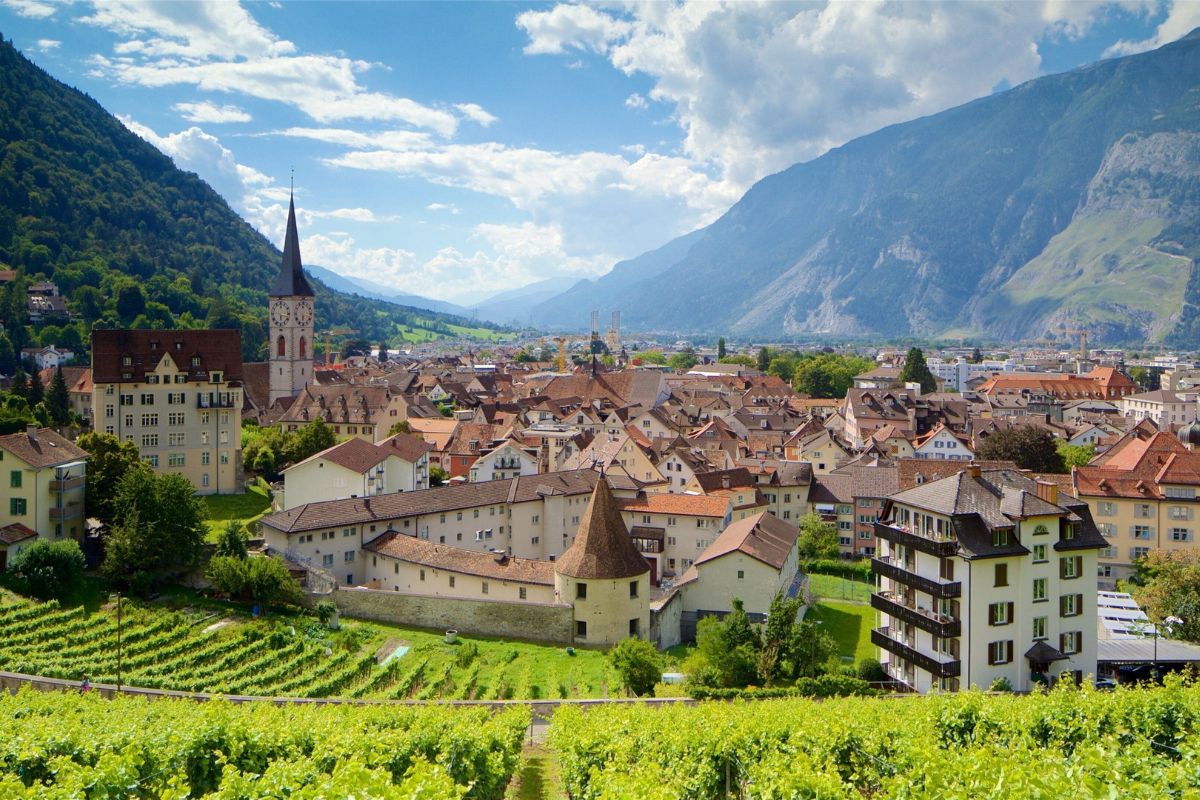
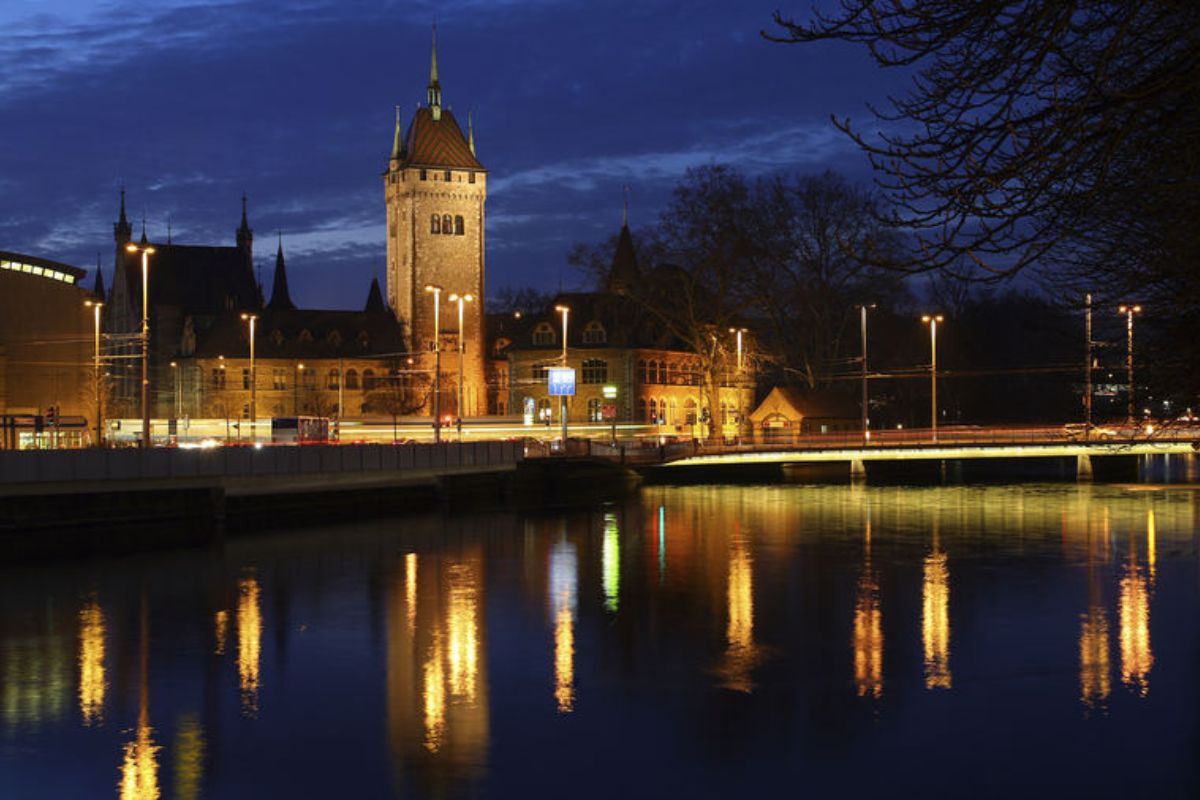
A Swiss trip begins with an airport choice. Zurich Airport is the best way in for Lucerne, the Jungfrau Region, and eastern Switzerland.
Geneva Airport works well for Lake Geneva, Montreux, Lausanne, and then there is a southbound line that will eventually feed into Zermatt. Basel EuroAirport is also ok for Basel, France, and Germany, but in most cases, you still want an airport bus transfer first, before the Swiss rail network starts doing its part.
For a first visit where Lucerne and the Jungfrau Region are the focus, land in Zurich and then head out from the airport on the first practical train, even if it feels a little too early.
Choose The Right Arrival Airport
| Arrival Point | Best First Route | Ground Transfer Reality | Poor Fit |
|---|---|---|---|
| Zurich Airport | Lucerne, Jungfrau Region, Zermatt, eastern Switzerland | Trains leave for Zürich HB every 10 minutes and take 15 minutes. | A Lake Geneva-only route |
| Geneva Airport | Montreux, Lausanne, Zermatt, Lake Geneva | The station sits below the terminal. Genève-Cornavin takes seven minutes. | A short Lucerne and Jungfrau trip |
| Basel EuroAirport | Basel, Alsace, Black Forest, northern Switzerland | BVB Line 50 links the Swiss airport sector with Basel SBB. | A first night in the Jungfrau Region |
| Milan Or Paris By Rail | Cross-border rail routes | Direct SBB services link Zurich with both cities. | A short fly-in, fly-out holiday |
Arriving at Zurich Airport
Zurich Airport has an SBB station (the national railway company of Switzerland) under the terminal complex. Trains go out for Zürich HB every 10 minutes, and it takes about 15 minutes to get there. There are also direct long-distance connections that reach Basel, Bern, Lucerne, and St. Gallen too.
If it’s your first time and you’re aiming for Lucerne, you probably shouldn’t fall into that habit of sleeping in Zurich after an early arrival. Lucerne tends to have a more vivid first evening, and it also lines up nicely with Lake Lucerne boat trips, Mount Rigi, Mount Pilatus, plus the next train route toward Interlaken.
Arriving at Geneva Airport
Geneva Airport is a good fit for travellers starting around Lake Geneva. The station is right below the terminal. Genève-Cornavin takes about seven minutes, and direct trains continue on to Lausanne, Montreux, Vevey, Brig, Bern, Lucerne, and Zurich.
Geneva can also work for Zermatt. It’s a longer travel time than Zurich to Lucerne, but it can still be the right move if you end the day in Montreux, or if you’re starting with a stay around Lake Geneva.
Hotel guests in Geneva might receive a Geneva Transport Card from their accommodation. The card covers Zone 10 public transit, including the airport-to-Cornavin train trip. Confirm this with the booked property before counting on free airport travel.
Arriving at Basel EuroAirport
Basel EuroAirport sits on the French-Swiss border. The airport does not place travellers directly beside a Swiss rail platform. Use BVB Line 50 from the Swiss sector to Basel SBB, then continue by rail.
Basel suits a northern Switzerland route, a France and Germany extension, or a city break. For Lucerne and the Jungfrau Region, Zurich Airport removes one transfer and keeps the first day cleaner.
Reaching Switzerland By Train
The most expensive Switzerland things to do still need separate planning, since major summit trips such as Jungfraujoch, Gornergrat, Pilatus, and Schilthorn sit outside full pass coverage. Rail arrivals work well when Paris, Milan, Munich, Strasbourg, or northern Italy already sit inside the wider route.
SBB lists direct Paris to Zurich services in around four hours and four minutes. Zurich to Milan takes roughly three hours and 17 minutes on the direct trains.
Moving Around Switzerland
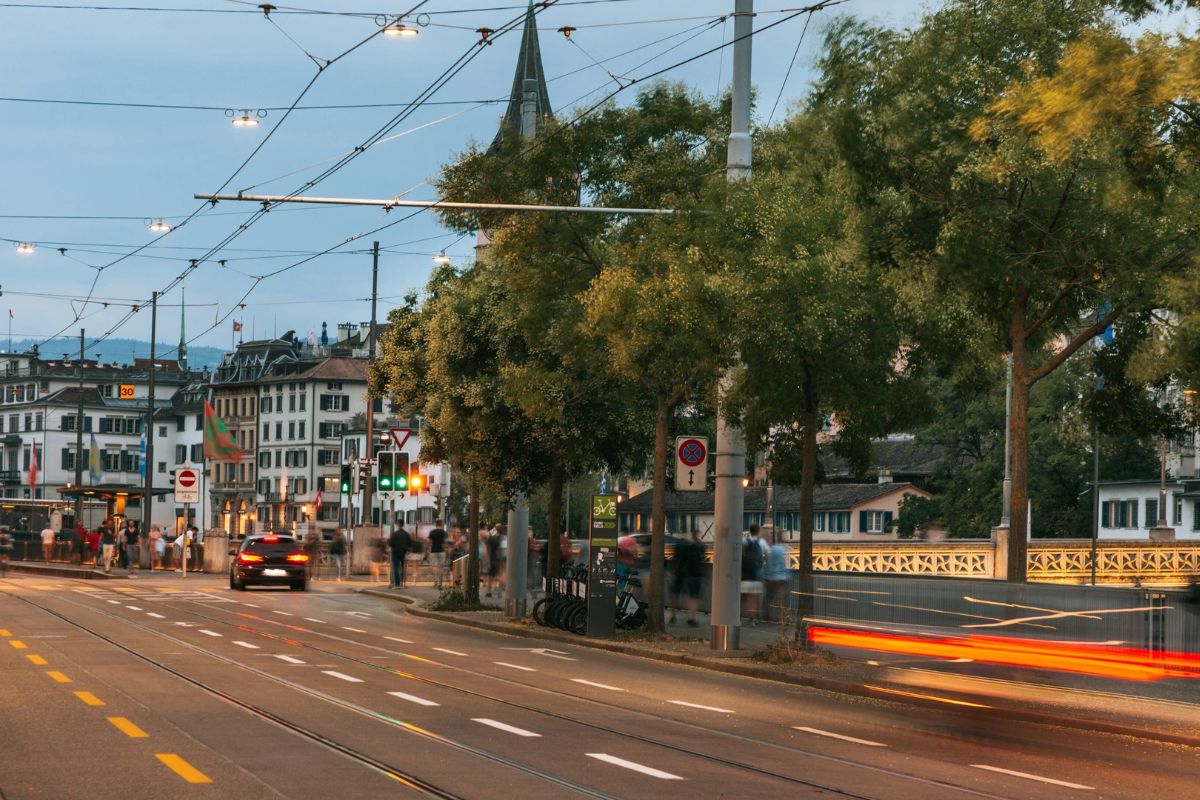
Swiss trains help reduce stress, even if they don’t prevent route mistakes. SBB actually builds transfer time right into each journey. By default, the transfer allowance is two minutes.
For Zürich HB, it shows seven minutes. Seven minutes can be ok with a light bag and a station you already know. But if you arrive with two suitcases after a long flight, you will probably want more time, more breathing space. So set a longer transfer time in the SBB app when your route includes luggage, children, mobility needs, or when the station is unfamiliar.
| Ticket Choice | Best For | What It Covers | Main Catch |
|---|---|---|---|
| Point-To-Point Tickets | Short routes with few long travel days | Exact train journey and local links | Mountain fares add up fast |
| Saver Day Pass | One major rail or boat day | Broad public transport network on one fixed date | Lowest fares sell first |
| Swiss Travel Pass | Frequent rail, bus, boat, and museum days | Panorama routes, city transport, museums, Rigi, Stanserhorn, Stoos | Seat reservations and many mountain lifts cost extra |
| Swiss Half Fare Card | Expensive summit tickets and several rail days | Half-price fares across much of the network | Every journey still needs a ticket |
The Swiss Travel Pass does its job for visitors living outside Switzerland and Liechtenstein, even if you’re there for a short while. It includes regular rail services, buses, boats, and panorama routes, and in most cases, you do not pay reservation fees or anything like that. You also get access to public transport across more than 90 towns and cities, and then there’s admission to over 500 museums.
And yes, Mount Rigi, Stanserhorn, and Stoos are covered. Mountain railways and cable cars, get discounts up to around 50 percent, depending on what you pick. However, Jungfraujoch, Gornergrat, Schilthorn, Pilatus, and most higher mountain outings usually come with extra charges, so don’t expect everything to be included all the time.
Do the maths before purchase. A six-day pass loses value during three slow nights in one village. A point-to-point plan loses value after several expensive long-distance journeys and mountain discounts.
Top Things To Do in Switzerland
| Trip Style | Start Here | Best Paid Choice | The Catch |
|---|---|---|---|
| First Switzerland Trip | Jungfrau Region | Jungfraujoch or Gornergrat | Avoid buying both during a short stay |
| Strict Budget | Lucerne and GoldenPass route | Mount Rigi | High summits still carry extra cost |
| Matterhorn Priority | Zermatt | Gornergrat | Two nights protect against cloud |
| Families | Lucerne and Lauterbrunnen | Mount Rigi | Long rail days drain energy |
| Active Walkers | Wengen, Mürren, or Grindelwald | Eiger Trail | Footing and weather matter |
| Rainy Forecast | Bern, Gruyères, Chillon | Glacier Express | Save high mountains for later |
15. See Rhine Falls From Both Sides Of The River
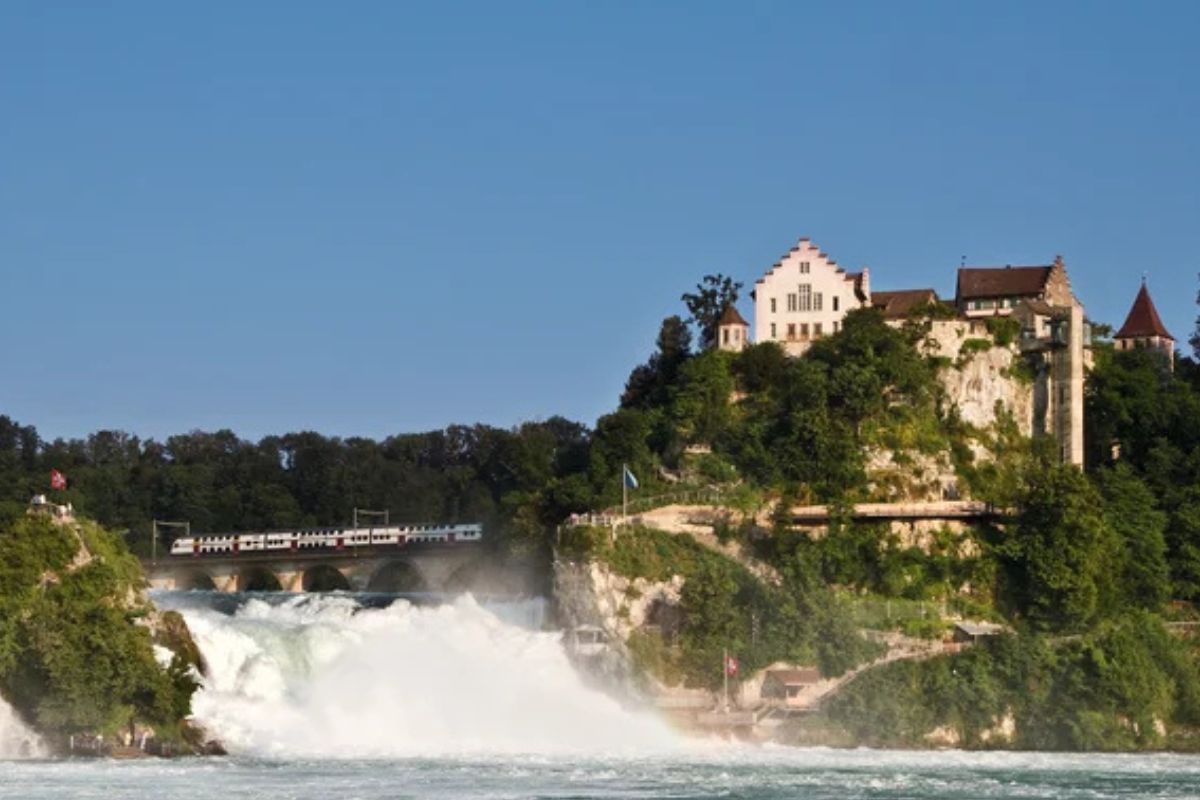
Rhine Falls is not a full Swiss day activity. Use it on an arrival afternoon from Zurich, on a departure morning, or as a half-day from Schaffhausen. The falls stretch 150 metres across the river. The northern bank at Schlössli Wörth is free. Schloss Laufen on the southern bank charges CHF5 for adults, including the viewing platforms and Historama.
The northern side gives a closer basin view. Schloss Laufen gives the higher angle, lift access to the Panorama Trail, and a more structured route through the site.
The central-rock boat ride looks tempting in photographs. It involves wet surfaces and steep steps. Leave it out for a stroller, poor balance, or anyone uneasy on narrow stairs. The main platforms already give the full sound and force of the falls.
Train access is simple. Neuhausen Rheinfall serves the north bank. Schloss Laufen am Rheinfall serves the south side. For a trip with fewer than six nights, use the Rhine Falls only when Zurich already sits at the edge of the route.
14. Use Gruyères As A Lower-Altitude Reset
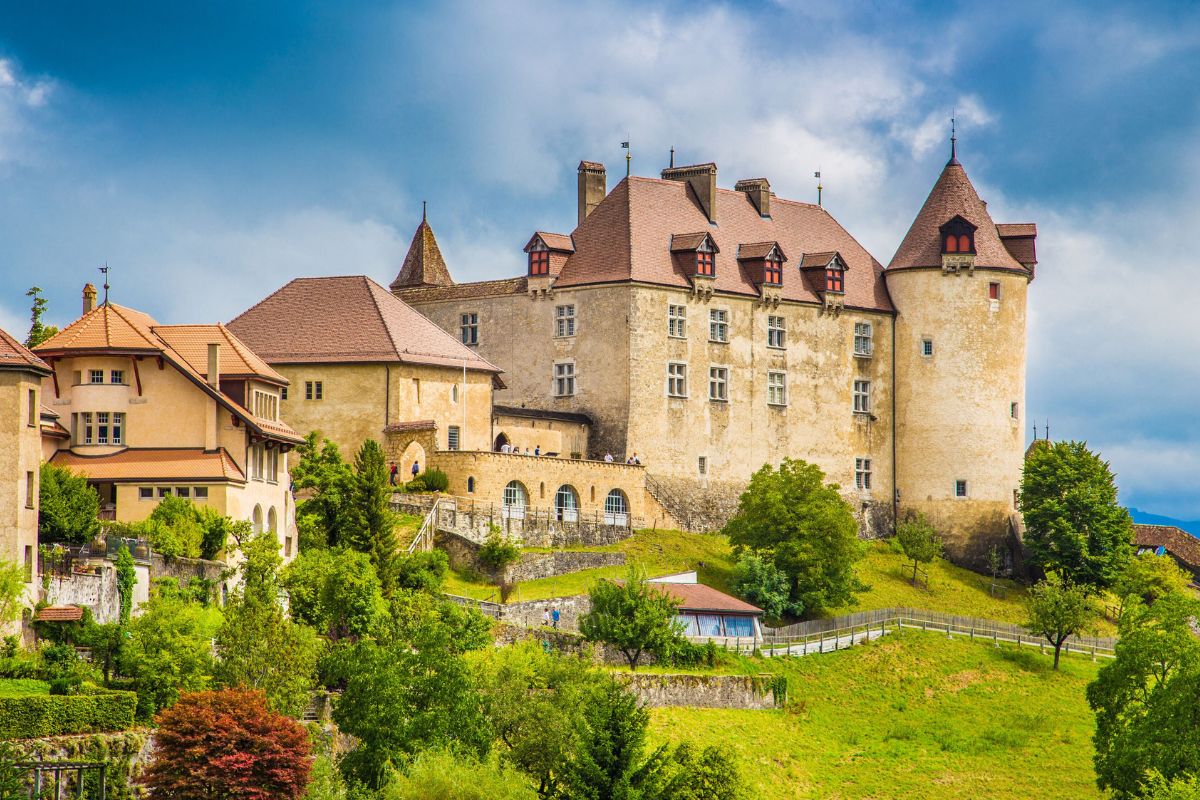
Gruyères works better after several mountain days. Start at La Maison du Gruyère in Pringy, and don’t improvise too much. The cheese production part usually goes from 9 a.m. to 12:30 p.m. Then you head uphill, toward the pedestrian village and the castle, sort of like you’re following the order on purpose. It matters because the dairy is going to close the useful bit of the visit before the castle.
Gruyères Castle itself opens every day from 9 a.m. to 6 p.m., between April and October, then it’s 10 a.m. to 5 p.m. from November through March. Plan for at least an hour at the castle. I would not build a whole first trip around Gruyères. It fits best between Montreux and Bern, or as a wet-weather day from the Fribourg area.
13. Visit Bern On A Wet Day
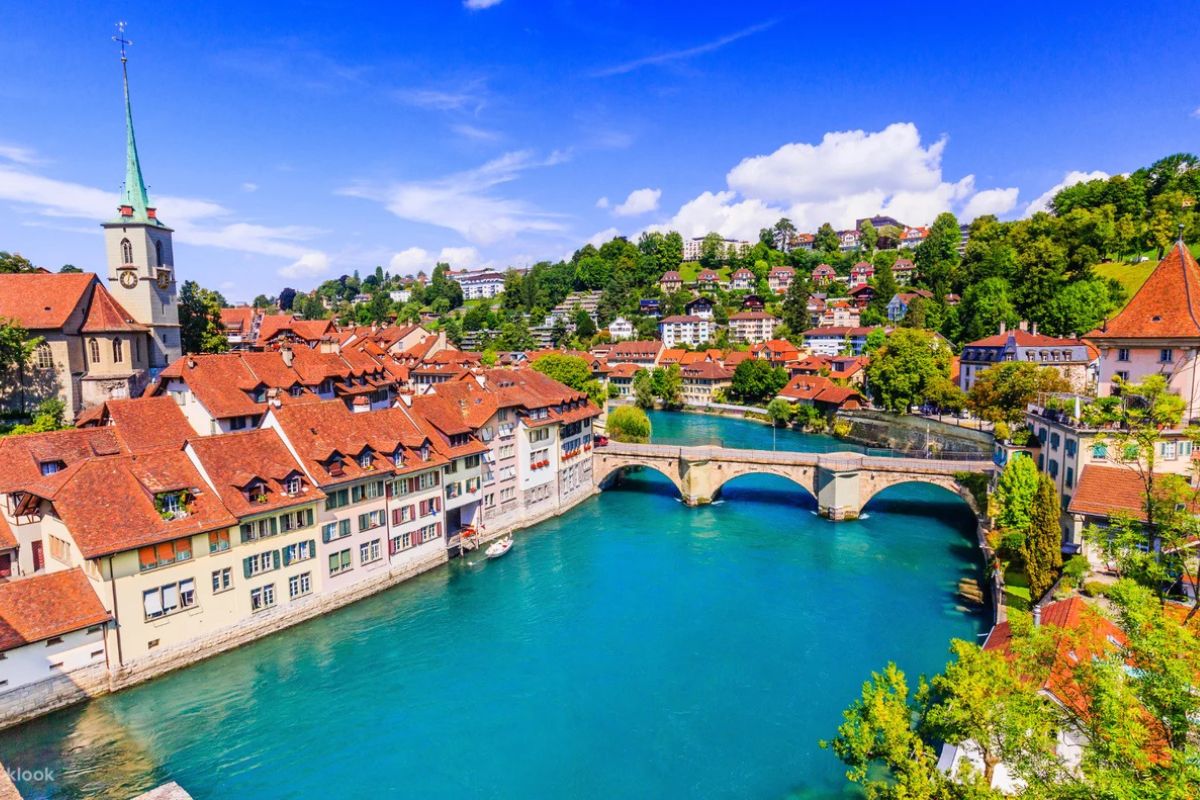
A wet forecast does not need to become a lost day. Bern has six kilometres of covered arcades. Start at the station, follow the arcades toward Zytglogge, continue past the cathedral, then stop on the Aare side near the Minster Terrace.
An overnight stay gives you the Bern Ticket, covering public transport in zones 100 and 101 during your stay. I would use this for a one-night pause between Lucerne and Montreux, especially after several days in mountain villages.
Keep Bern compact on a first trip. It is a good overnight break between Lucerne and Montreux. It is not worth taking a clear day away from the Jungfrau Region.
Sunday brings a practical issue. Many regular shops close, though Bern station remains useful for groceries, food, and basics.
12. Pair Château De Chillon With The Lake Timetable
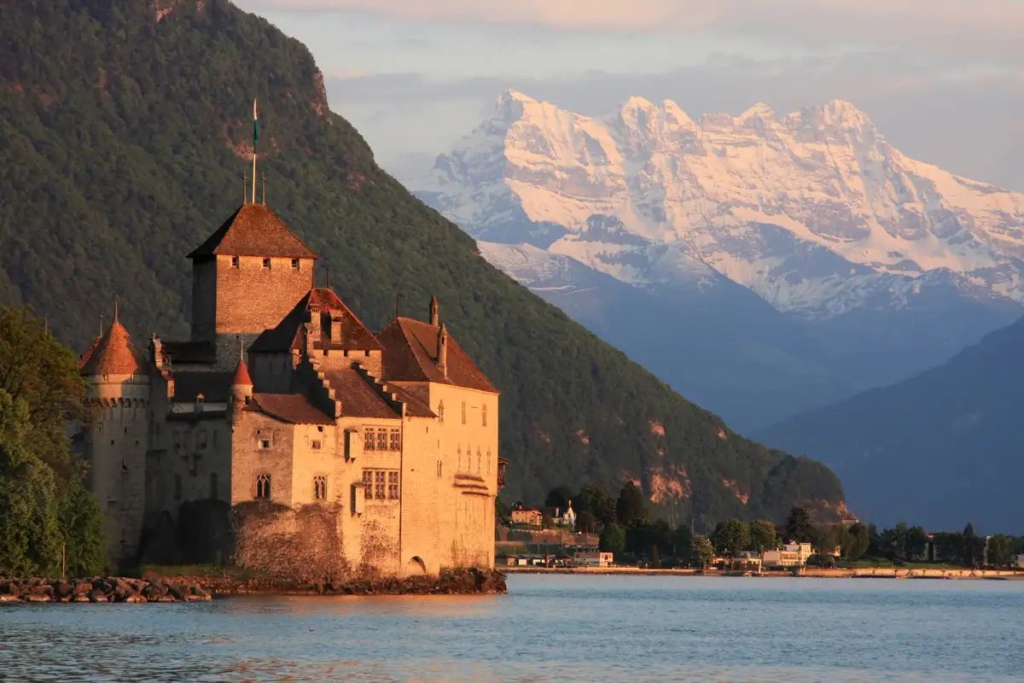
Chillon works best when the boat schedule shapes the day. The castle stands beside Lake Geneva outside Montreux. Adult admission costs CHF15. Give it around 90 minutes, then leave a buffer before any CGN sailing. Boats dock at the castle jetty during the right seasons, while local rail and bus links also serve the area.
The Lake Geneva boat is the reason to pair Chillon with Montreux instead of treating the castle as a short taxi stop. The water gives you the full setting, with the castle wall on one side and the lake opening toward the Alps and France.
The beach west of the castle has no lifeguard. Chillon warns about strong currents near the monument. Do not swim close to the castle wall or treat the area as a supervised beach.
A short first trip needs a castle visit or a lake boat, not both in full. Keep the longer lake outing for a route with at least eight nights.
11. Take The Ebenalp Route For Aescher On A Longer Trip
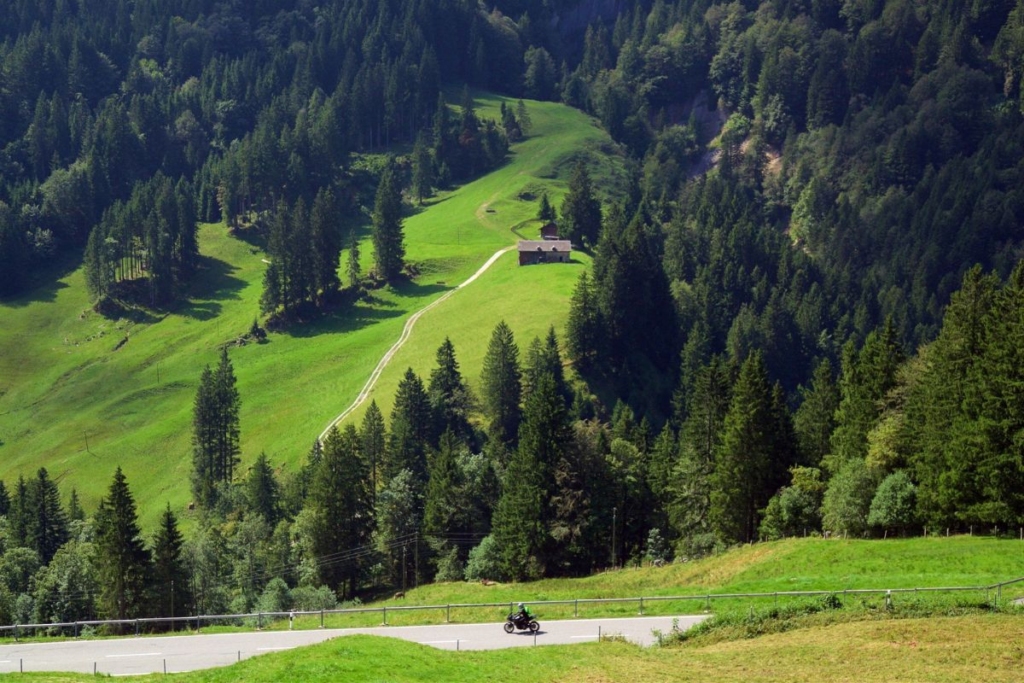
I would save Ebenalp for a longer Switzerland trip or a second visit. It sits far enough east that it does not belong in a rushed Lucerne and Jungfrau route. Ebenalp is not close enough to slide into a short western Switzerland route. The cable car leaves from Wasserauen, beside the railway station. A return ticket costs CHF36 for adults. From the top, signed paths lead toward Wildkirchli caves and the Aescher guesthouse under the cliff.
The route looks short online. Wet rock, uneven ground, and narrow mountain sections change the feel. Wear shoes with grip. Aescher does not suit smooth-soled trainers or a rushed late-afternoon detour.
Leave Ebenalp for a second trip if your first route already includes two big mountain bases. The views are genuinely strong. The transfer time is the price you pay.
10. Reserve Oeschinensee Before You Build The Day Around It
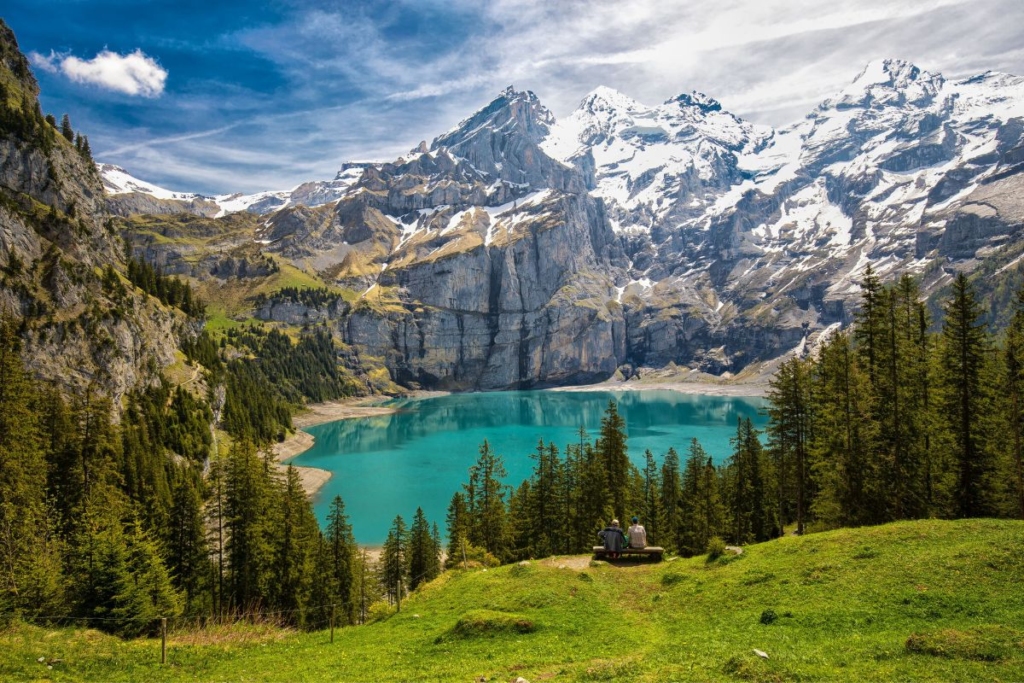
Oeschinensee is one of those famous places in Switzerland where the booking comes first, before you plan the walking line.
This lake really needs a full day. Get to Kandersteg, then make your way to the valley station, ride up, and after that, continue on foot toward the lake itself. Earlier slots give you more breathing room for the lakeside route, and they reduce stress on the return leg.
Parking often fills up around late morning. The water is cold and the paths are alpine, so do not treat this as a casual swim before a late train. Rain, unstable weather, and poor footwear turn the return journey into a harder prospect.
Oeschinensee belongs on a seven-night route with a room around the Jungfrau Region. It is not the first cut for a tight plan. It is the first addition once the core route already works.
9. Choose Mount Pilatus For The Transport Ride
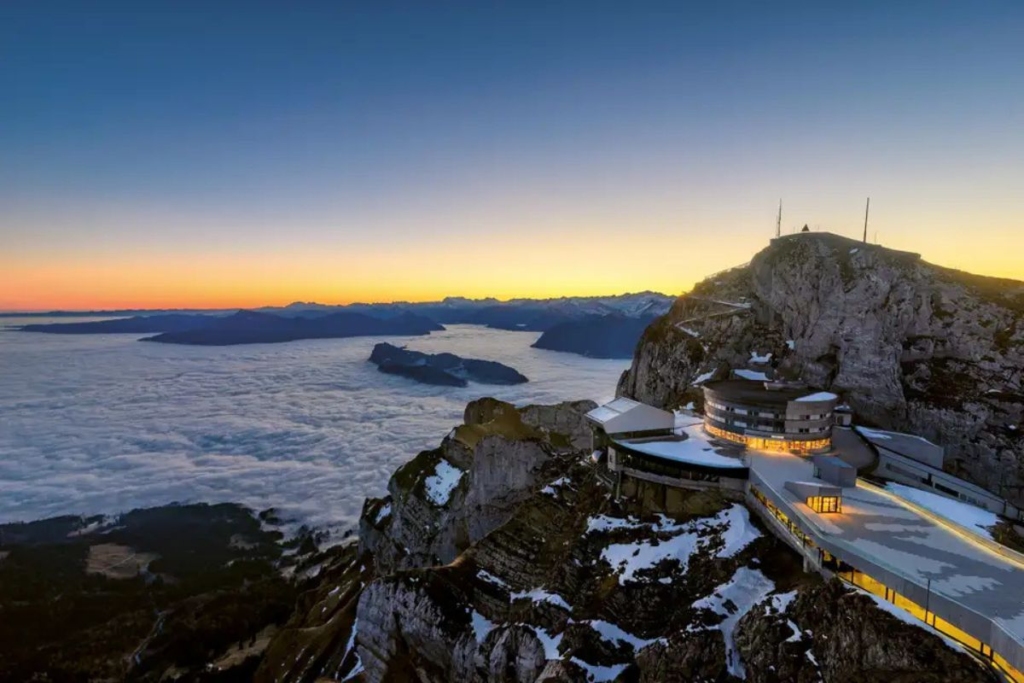
The Golden Round Trip links Lucerne, a Lake Lucerne boat, the cogwheel railway, the summit, an aerial cableway, panorama gondolas, and a return bus. The full adult second-class route costs CHF119.80 from May through October.
Start in Lucerne by boat from pier 2 opposite the railway station. The cogwheel railway climbs from Alpnachstad. The descent heads through Kriens by cableway and gondola, then a local bus returns to town.
Reserve the cogwheel railway on busy summer days. Pilatus advises this to reduce waiting time.
Mount Rigi costs less and works better with the Swiss Travel Pass. Pilatus wins when the journey itself carries the day. The boat, cogwheel train, cable car, and gondolas make the ticket feel like a full circuit rather than a single lift ride.
Fog weakens the value sharply. Keep the ticket flexible until the summit forecast looks usable.
8. Use Mount Rigi For The Best Value From Lucerne
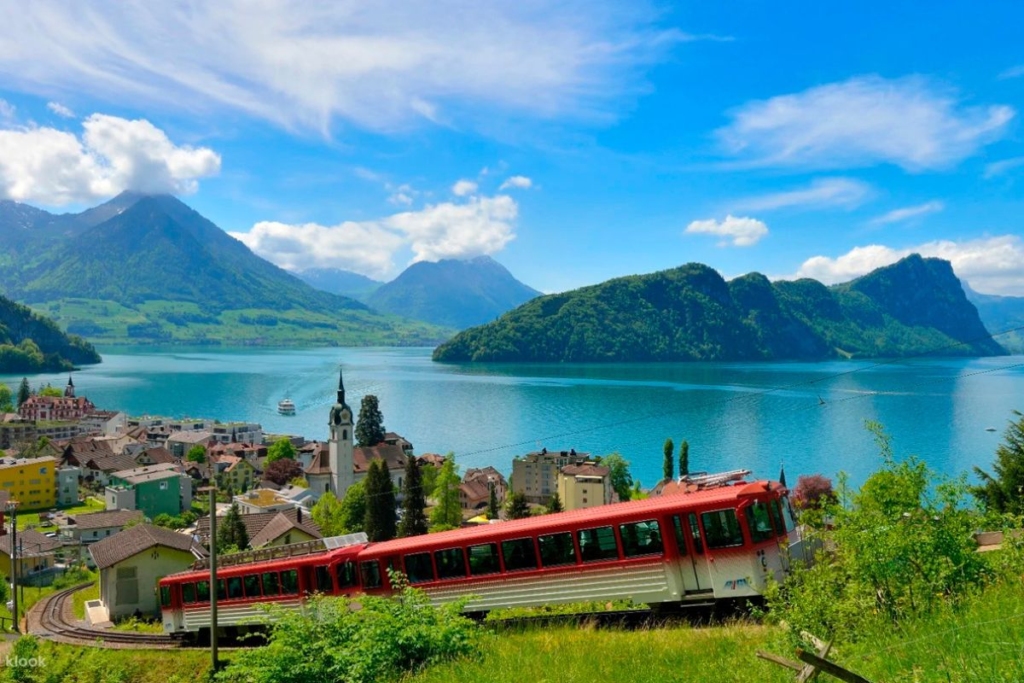
I would put Mount Rigi ahead of Pilatus for many first-time visitors, especially Swiss Travel Pass holders. Among Switzerland tourist attractions near Lucerne, Mount Rigi asks less from the budget than Pilatus or Jungfraujoch and still gives a full lake-and-mountain day. Mount Rigi gives the cleanest answer to a costly Swiss mountain problem.
For travelers sleeping in Lucerne, Mount Rigi is a must see in Switzerland when you want a full lake-and-mountain day without committing to a CHF100-plus summit ticket. Swiss Travel Pass holders can travel without paying on the Rigi railways and also on the cable cars. The kids, meaning children up to age 15, travel free too when they are with an adult, which is basically the whole condition.
Go ahead and take the Lake Lucerne boat to Vitznau or to Weggis. From there, travel up via the cogwheel railway or alternatively by cable car.
Return by another route. The movement around the lake and mountain gives the day more shape than a return cable-car journey. Rigi does not offer the height of Jungfraujoch. It does not offer Pilatus’s transport theatre. It gives open lake views, gentler walks, less ticket risk, and a better fit for families.
Cloud is still a reason to wait. The ticket is lower, though the view remains the same.
7. Walk The Eiger Trail Instead Of Buying A Second Summit Ticket
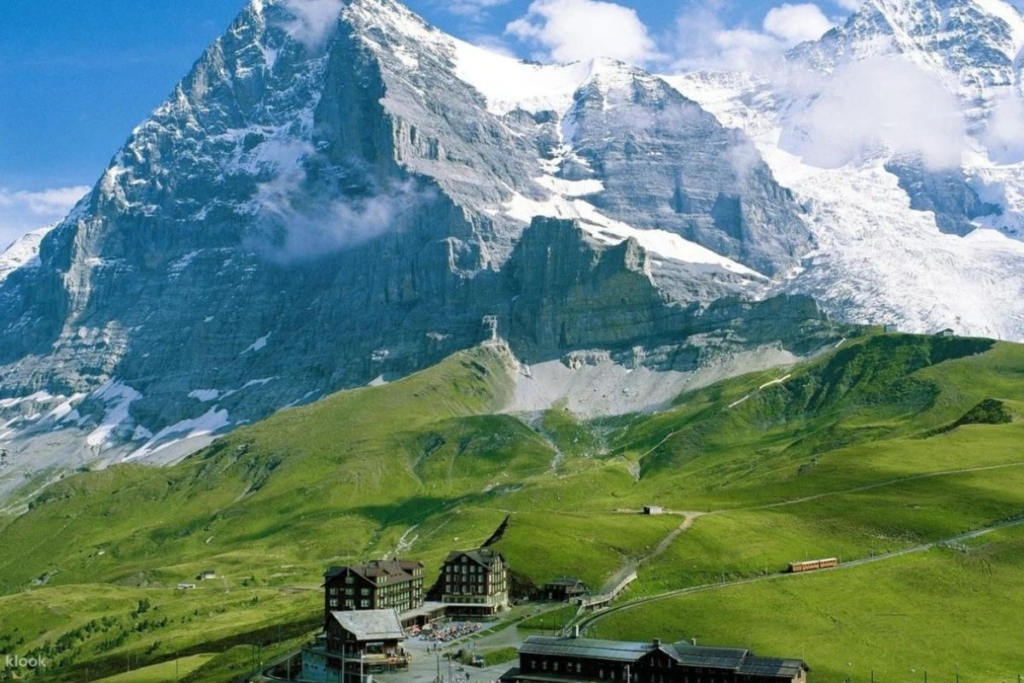
The Eiger Trail puts you under the north face. The route starts at Eigergletscher and descends to Alpiglen. Jungfrau Railways lists around two hours of walking time.
This is one of the better things to do for walkers who want the Jungfrau scenery outside a station building. The path follows the scale of the Eiger north face, then reaches Alpiglen railway station for the way down.
The Eiger Express reaches Eigergletscher from Grindelwald Terminal in around 15 minutes. That makes the route practical from Grindelwald, Wengen, or Interlaken, though the terrain is still mountain terrain.
Do not start in rain, fog, snow, or thunderstorm conditions. Jungfrau Railways marks the Eiger Trail for experienced walkers. Shoes with tread, water, a warm layer, and a real forecast check belong in the plan.
6. Take The Glacier Express Only When It Replaces A Transfer
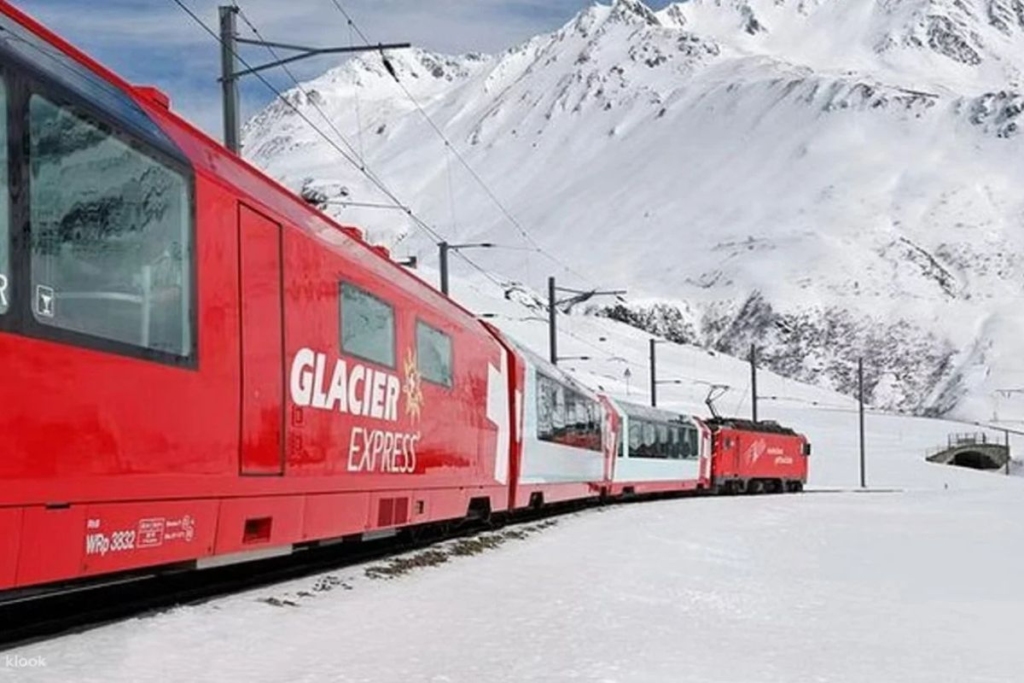
Eight hours in a panoramic carriage needs a purposeful route. The Glacier Express goes between Zermatt and St. Moritz and the trip is roughly eight hours altogether. On the way, it goes past 291 bridges, and it also passes through 91 tunnels. It is a full travel day, not a side activity between two other plans.
Some Switzerland tourist attractions work best as transport. The Glacier Express earns its place when it moves you from Zermatt to St. Moritz instead of sending you back to the same hotel. Seat reservations are mandatory. In the second class, a full-route reservation costs CHF54. The overall price starts from CHF213 without a qualifying travel pass. Seats open 93 days before travel. Tickets open 180 days before travel.
Mixed weather does less damage here than it does on a summit. Valleys, villages, viaducts, and rail engineering still hold the day together.
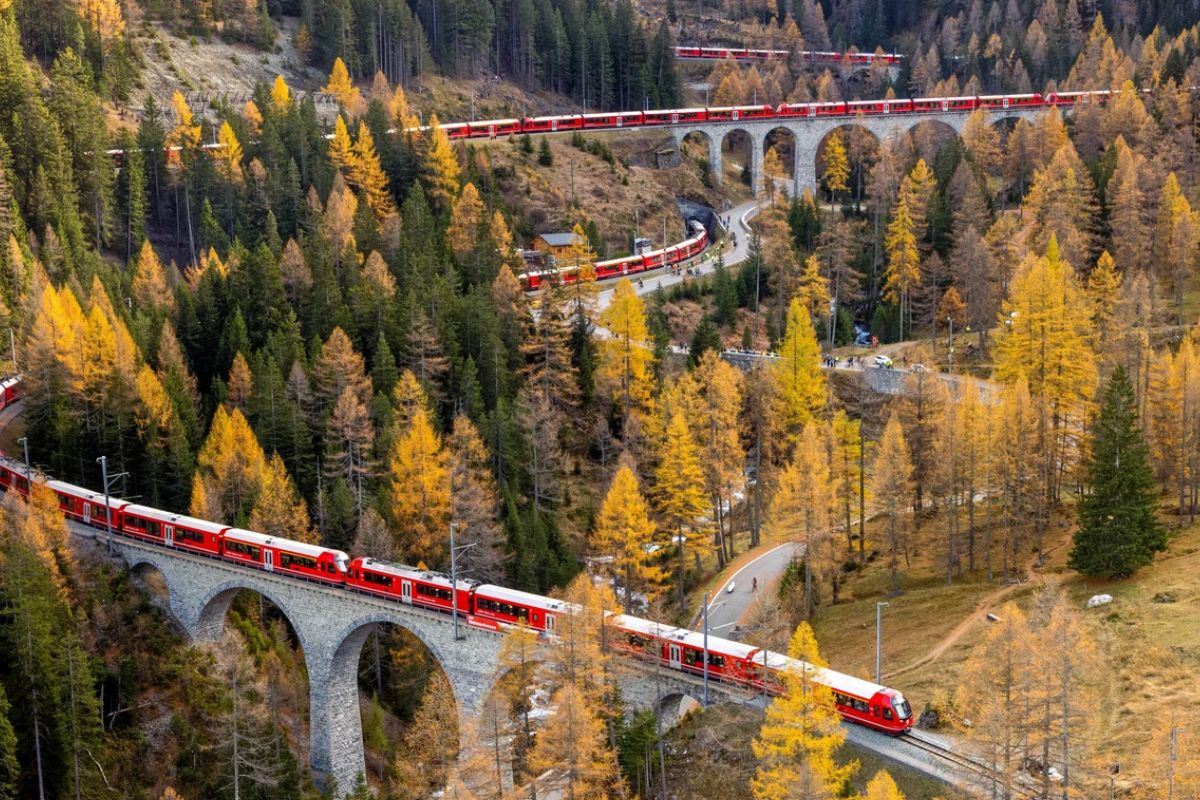
5. Let The Bernina Express Carry You Into Italy
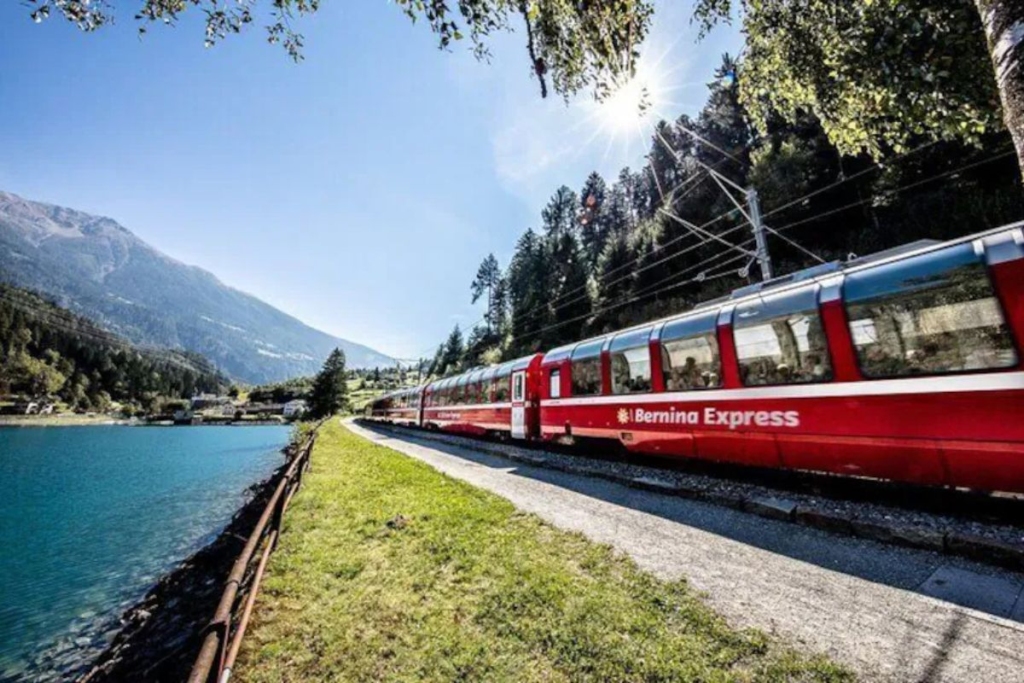
I would choose the Bernina Line over the Glacier Express when your route moves between Switzerland and northern Italy. The Bernina route really earns its place because it changes the whole map, or so it feels. The Bernina Express links Chur, or St. Moritz, with Tirano in Italy. It runs through the UNESCO-listed Albula and Bernina landscape, crosses some pretty high passes, and then drops down through Val Poschiavo toward the Italian border.
The full Chur to Tirano journey takes you past 196 bridges and 55 tunnels as well. Regional RhB trains also use the same track, so a traveller doesn’t have to rely on a panoramic carriage just to watch the railway. The Bernina Express works well for people who want a reserved seat and a direct, pre-planned trip. Regional trains suit people who want a bit more flexibility, including the ability to pause along the way.
Use the Bernina Line when Italy follows. A return journey from western Switzerland takes too much time on a short first visit.
4. Make The GoldenPass Route Your Scenic Transfer Day
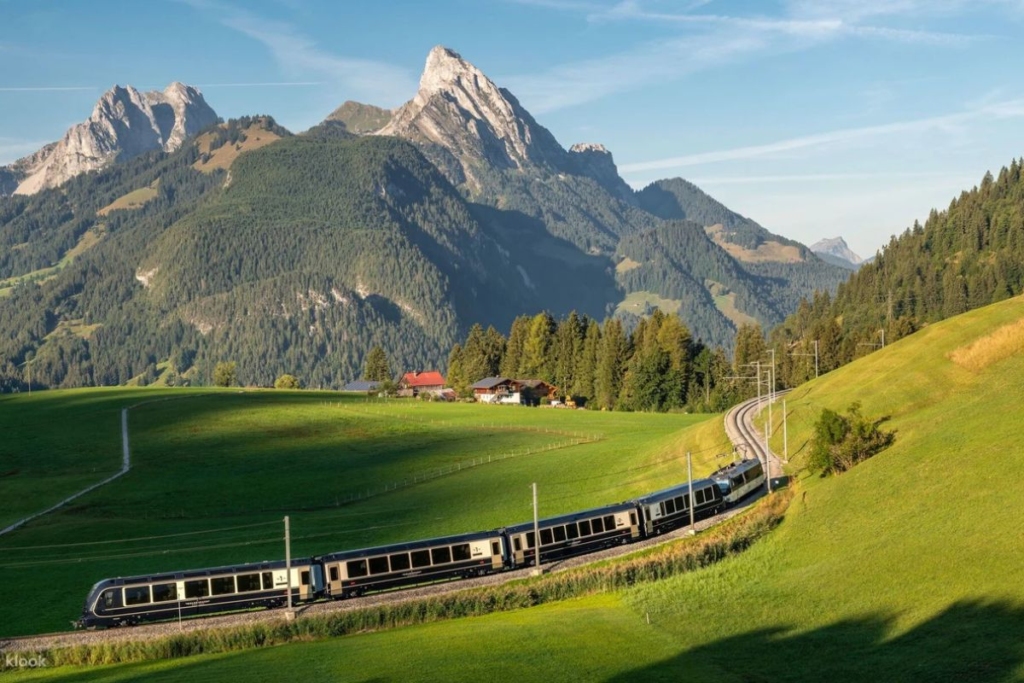
The GoldenPass stands apart from many Switzerland tourist attractions because it turns a necessary hotel move into a scenic rail day. The Luzern-Interlaken Express runs, like every hour, and it takes about one hour and 50 minutes to get to Interlaken Ost. From there, just keep going on MOB services, heading out from Interlaken toward Montreux. The GoldenPass Express then shuttles you from Interlaken to Montreux in roughly three hours and 15 minutes.
For travelers who came for the Matterhorn, Gornergrat is a must see in Switzerland. Two nights in Zermatt give the view another chance when cloud settles over the ridge. It isn’t one straight-through train from Lucerne all the way to Montreux. Think of it as a sort of linked rail day, where you’re connecting segments rather than staying on a single service.
On the Luzern-Interlaken part, the route goes across Central Switzerland, through lake country, and over mountain passes. After that, the Interlaken to Montreux travel segment goes through the Bernese Oberland, and then continues toward the western Swiss towns, and eventually the Lake Geneva region.
For a first trip, this is the strongest rail experience because it replaces a hotel transfer. It also works in mixed weather. Low clouds may cover higher peaks, though the lakes, farms, villages, and changing rail landscape still give the day substance.
3. Use Gornergrat When The Matterhorn Is The Point
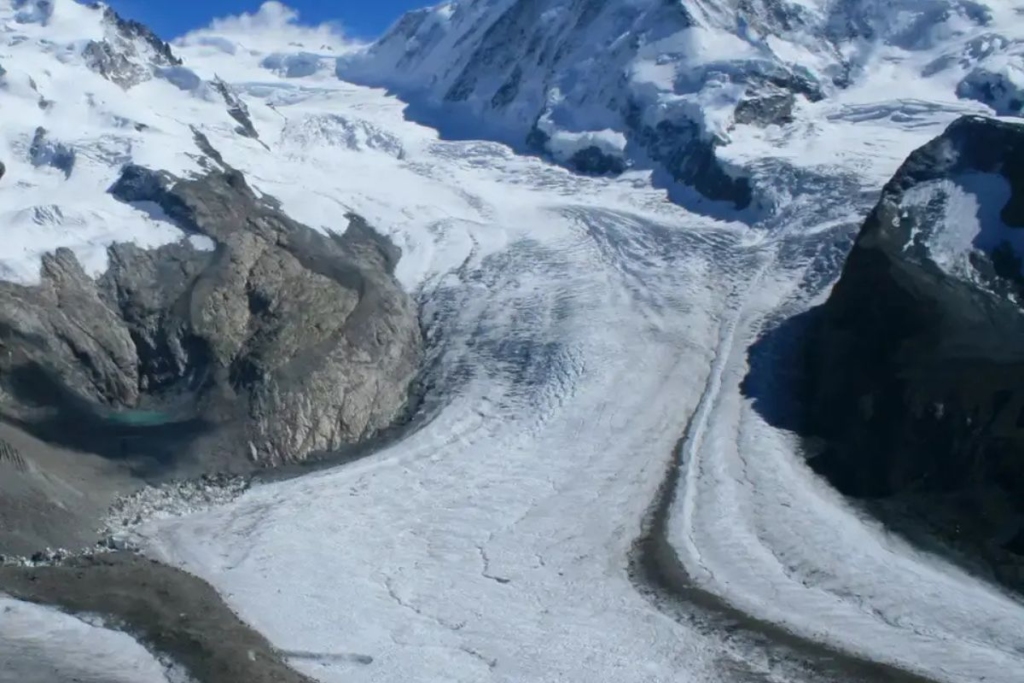
The summit area gives the Matterhorn profile that most first-time visitors come to see. The Gorner Glacier sits below. Intermediate stops such as Riffelalp, Riffelberg, and Rotenboden give room for a shorter walk or a slower descent.
A one-night Zermatt stay leaves no margin for cloud. Two nights give you another morning. That extra night matters more than fitting in Matterhorn Glacier Paradise as well.
To me, Gornergrat has cleaner logic than Glacier Paradise for a first Matterhorn day. The rail journey is direct, the visual goal is obvious, and the route needs less time inside cable-car stations.
2. Treat Jungfraujoch As A Clear-Weather Splurge
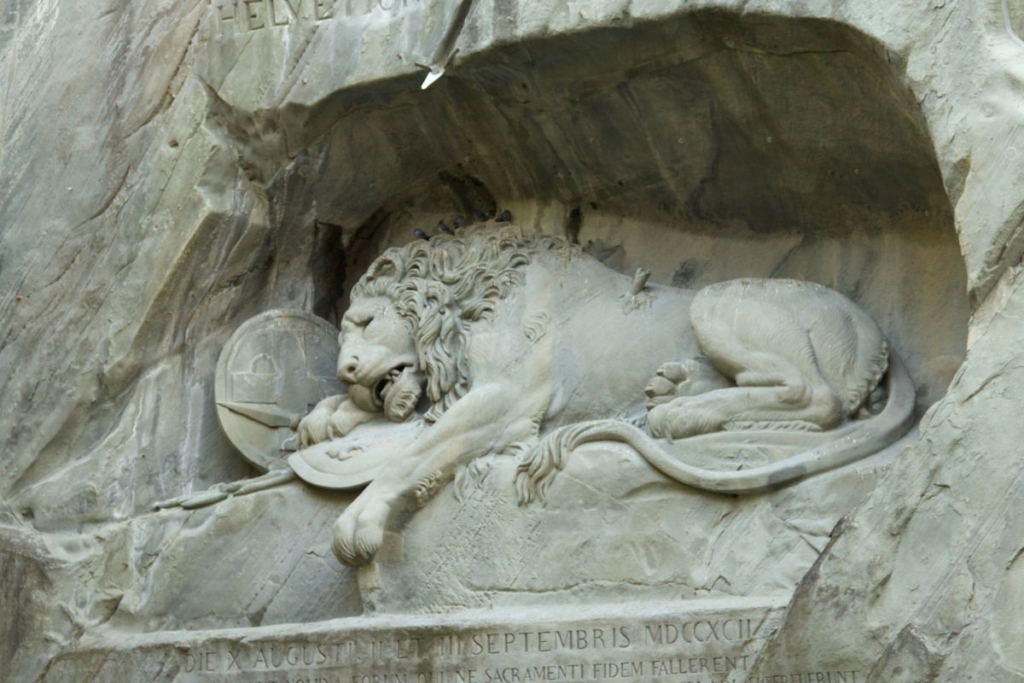
The Lion Monument does not need half a day. It needs twenty calm minutes in the right part of a Lucerne itinerary.
Set it between the old town and the lake, not at the end of an already crowded sightseeing list. From Lucerne station, the walk takes around 15 minutes. Bus 1 or 19 reaches Löwenplatz, a short walk from the monument. Admission is free, so there is no ticket queue or timed entry to protect.
The sculpture sits in a small park below a sandstone cliff. Bertel Thorvaldsen designed the dying lion, which was completed in 1821 as a memorial to Swiss Guards killed during the storming of the Tuileries Palace in Paris in 1792. The setting is quieter than Chapel Bridge, though the monument receives around 1.4 million visitors each year.
Arrive early, before the city fills with coach groups and day visitors. The monument works best after breakfast, before a lake boat or Mount Rigi departure. Later in the day, pair it with the nearby Glacier Garden if geology, old relief maps, and the mirror maze belong in the plan.
Do not stretch this stop into a major Lucerne attraction. The monument itself needs about 15 to 25 minutes. Its value comes from the pause. The carved lion, the still water in front of it, and the history behind the scene give Lucerne one of its more serious moments.
1. Stay In The Jungfrau Region, Then Spend Day For Jungfraujoch
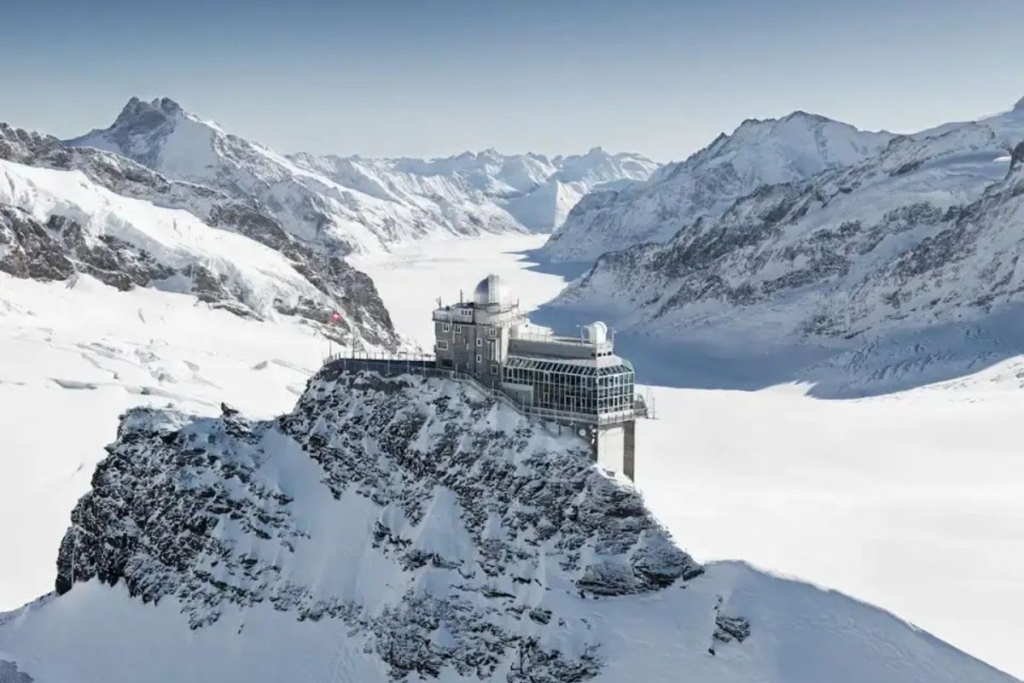
The number-one decision is not another ticket. It is where you stay in the Jungfrau Region. The Jungfrau Region holds more Switzerland tourist attractions within one base than any other part of a first route, from Lauterbrunnen Valley to Wengen, Mürren, Grindelwald, and Jungfraujoch.
Lauterbrunnen is often treated as a quick stop between Lucerne and Zermatt. Travellers arrive, photograph Staubbachfall, walk through the village, then leave before the valley has had a real chance to shape the trip.
Two nights are the minimum. Three nights give the better version. One base opens Lauterbrunnen Valley, Trümmelbach Falls, Wengen, Mürren, Grindelwald, Kleine Scheidegg, and the higher rail routes without another hotel move. A clear morning has somewhere to go. A poor forecast does not ruin the whole stay.
Lauterbrunnen Valley has 72 waterfalls. Staubbachfall drops 297 metres beside the village, and the summer viewing gallery lets visitors stand behind the falling water when conditions allow. Trümmelbach Falls gives you a different kind of stop, with ten glacier waterfalls running inside the mountain and reached by a tunnel lift.
Wengen suits rail-first visitors. The village is car-free, its station sits in the centre, and the routes toward Kleine Scheidegg, Männlichen, and Jungfraujoch stay close. Choose Wengen when the main aim is to move easily between mountain railways without relying on taxis or a car.
Mürren is quieter and more remote. The village sits above Lauterbrunnen Valley and suits travelers who want walking routes and open valley views after dinner.
Grindelwald has the broadest practical setup. Shops, restaurants, family facilities, and Grindelwald Terminal make it the easier choice for families and groups. The Eiger Express leaves from the Terminal and reaches Eigergletscher in 15 minutes.
Lauterbrunnen works for a late arrival, a lower valley stay, or easy access to Trümmelbach Falls. The trade-off comes every morning. Each high-mountain day begins with another train or cable-car climb.
Use a Whole Day For Jungfraujoch
Jungfraujoch belongs inside this trip. The railway reaches 3,454 meters. The point is not simply height. The day includes the Eiger Express, the railway through the Eiger and Mönch, glacier views, the Sphinx observation terrace, snow, and the Ice Palace. This is the high-altitude glacier experience that the rest of Switzerland does not reproduce.
Tickets start from CHF119.60. From 1 May to 31 October, seat reservations cost CHF10 and are mandatory for the final Jungfrau Railway section. Keep this ticket flexible until the weather supports it. A clear summit day gives you the glacier and terrace views. Low cloud turns a large part of the fare into tunnels, indoor displays, and waiting areas.
Jungfraujoch needs a full day. Do not combine it with Trümmelbach Falls, a long Lauterbrunnen Valley walk, and another paid mountain railway. The journey from Interlaken Ost via the Eiger Express takes around 90 minutes each way before summit time enters the plan.
Dress for the summit, not the valley. Temperatures below freezing remain possible in summer. Take closed shoes, a warm jacket, hat, gloves, sunglasses, and sun protection.
This is the strongest overall Switzerland choice because the stay and the summit support each other. The hotel base gives the weather flexibility. Jungfraujoch gives the one major splurge when the forecast turns in your favour.
Frequently Asked Questions
| Nights | Base Plan | Priority Experiences | Leave Out |
|---|---|---|---|
| Four Nights | Lucerne, then Wengen or Grindelwald | Mount Rigi, Lauterbrunnen Valley, one clear-day mountain plan | Zermatt, Glacier Express, Bernina Express |
| Six Nights | Lucerne, Jungfrau Region, Zurich departure | GoldenPass segment, Eiger Trail, Jungfraujoch or Rigi | St. Moritz |
| Eight Nights | Lucerne, Jungfrau Region, Zermatt | Gornergrat, one lower-weather day, one scenic rail transfer | Bernina Line unless Italy follows |
| Ten Nights | Lucerne, Jungfrau Region, Zermatt, Montreux or St. Moritz | Glacier Express or Bernina Express | Extra one-night detours |
Frequently Asked Questions
What Are The Best Things To Do In Switzerland On A First Trip?
I’d begin in Lucerne, with a three-night stay in the Jungfrau Region and then one big mountain day. For that, include Gornergrat so you get the Matterhorn vibe without too much fuss. Then do Jungfraujoch, mainly for glacier scenery and the high altitude feeling, but only if the sky looks cooperative. When you move from Lucerne toward Montreux, use the GoldenPass route; it’s one of those scenic corridors that just works.
How Many Days Do You Need In Switzerland?
Four nights, at least, is enough if you want Lucerne plus the Jungfrau Region. Six or seven nights gives you space to add Zermatt, and still keep the pace. If you do eight nights, you can leave room for Montreux or Graubünden, and not feel rushed. Ten nights is where the Glacier Express or Bernina Express starts to feel comfortable, not like you’re speed running time.
Do You Need A Car In Switzerland?
No, not for most first trips. The best beginner itinerary runs on train, boat, cable car, and local bus, so you can basically let the schedule do the steering. That said, a car can help if you want a road trip through Gruyères, Appenzell, Ticino, and those quieter valley roads where public transport is thinner.
Is Jungfraujoch Worth The Money?
Jungfraujoch is “worth it” when glacier scenery and altitude are the real goal, and you have that clear weather window. If it’s low cloud, skip it and save the money. In many cases, Mount Rigi gives better value. And if you really want the Matterhorn view, Gornergrat tends to deliver the stronger angle, even when the day is not perfect.
What Should You Skip With Only Four Days?
With only four days, I’d skip Zermatt, St. Moritz, the Glacier Express, the Bernina Express, and the long detours into the far west of Switzerland. Keep things close to Lucerne and the Jungfrau Region, because that’s where your first trip logic stays simple.
Which Mountain Is Best For Families?
Mount Rigi is often the easiest value decision for families; it’s calm and approachable. Holders of a Swiss Travel Pass can travel free, which makes planning a bit less stressful. Plus, lake boats and gentler walking
What to see in Switzerland that is best for photographers?
Gornergrat is the direct Matterhorn pick. If you can, book two nights in Zermatt, and then use the clearer morning, not the “whatever happens” one. That second night is basically weather insuranc.
What is there to do in Switzerland once you have already seen the Jungfrau region and Lucerne?
First, add Zermatt for Gornergrat if the trip is around six or seven nights, it works nicely there. If the route is longer, keep moving toward Montreux on the GoldenPass, or alternatively go east toward St. Moritz and the Bernina line when Italy becomes part of the plan.
Final Words
The strongest first Switzerland trip does not try to cover the whole country in one booking.
I would begin with Lucerne, then give the Jungfrau Region three nights. Pick one paid mountain day after the forecast settles. Mount Rigi makes more sense when pass value matters. Jungfraujoch earns its fare for glacier scenery and altitude. Add Zermatt once the trip reaches six or seven nights, then give Gornergrat two mornings to protect against cloud.
Montreux, St. Moritz, the Glacier Express, and the Bernina Line belong after the central route already has enough time. A rushed one-night mountain stop costs more than it gives back.
The best things to do in Switzerland depend on weather, route shape, and where you sleep. Book the room first, then wait for the forecast before paying for the summit ticket. Keep enough time for one low-cloud day. That rule will save more of the trip than another famous name on the list.