
Cannes looks like an easy day trip until the choices start stacking up. Do you stay longer on La Croisette, or turn toward the old town before the light gets harsh? Do you take the ferry to the Lérins Islands, or keep the day on foot? Do you pay for a beach bed, or use a public beach and save the budget for food? Do you spend an hour in a museum, or give that time to the market?
Those choices decide the trip. That is why a list of things to see and do in Cannes needs more than the famous names. The geography looks simple at first. The station sits close to the center. La Croisette runs along the water. The Old Port anchors the western end of the first-time route. Behind it, Le Suquet climbs up over the bay, a bit more than you might expect. Rue d’Antibes, Rue Meynadier, Forville Market, the beaches, and the Palais des Festivals are all close enough together, really easy to link by walking, no big deal.
So this list does not start with the obvious photo stop. It builds toward the place that makes the whole city make sense. The countdown runs from number 10 to number 1. These are not only the best things to do in Cannes by popularity, they are the stops that help a first-time visitor understand the city without losing the day to backtracking.
10. Croix Des Gardes
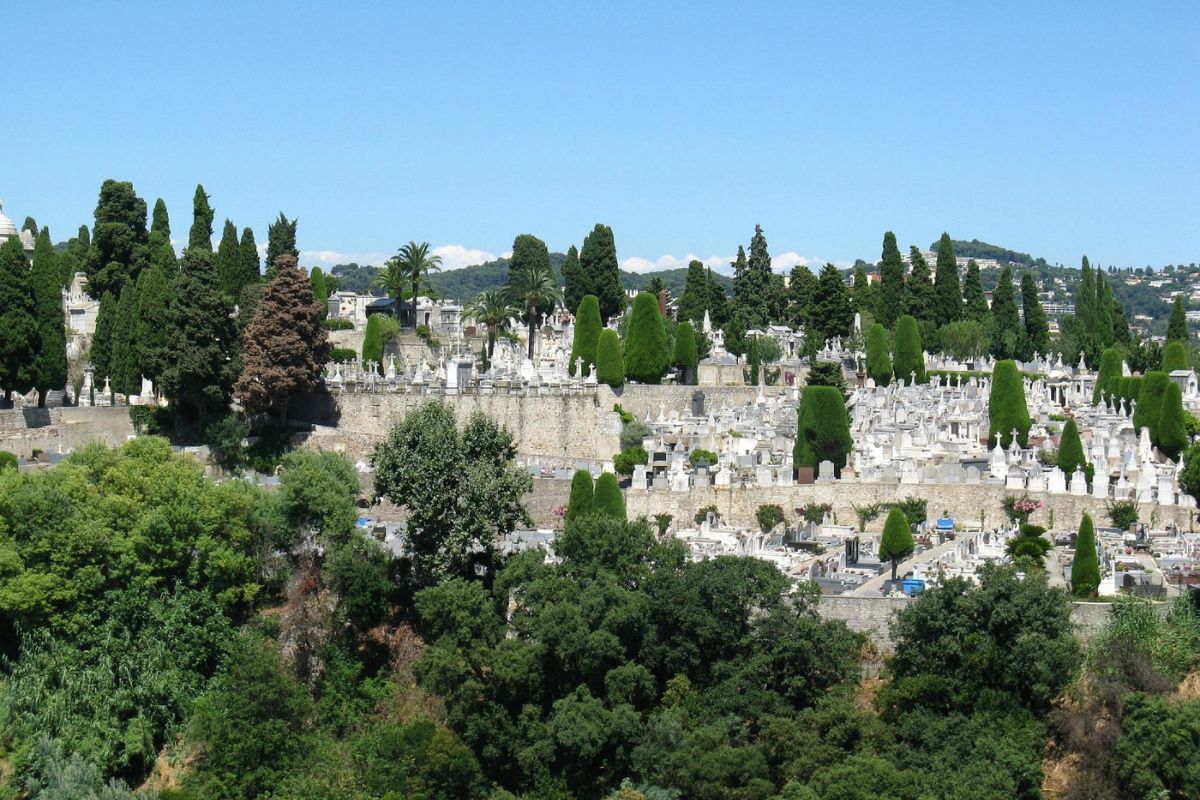
Croix des Gardes belongs on the list of things to see in Cannes France, but it should not take over a short visit. Treat it as a second-day walk, not the main highlight.
The hill sits west of the center, away from the red-carpet route. Croix des Gardes can take the better part of a second morning, once you count the walk in, the climb, the viewpoint stops, and the return. If you are paying for taxis because you do not want the uphill approach, the “free” outing stops feeling free. If you are driving, parking, and traffic near the center still affects the wider day.
Croix des Gardes has more slope, more dust underfoot in dry weather, and fewer easy “sit down and order something” moments. It feels less like sightseeing and more like stepping out of the polished Cannes loop for a while.
Go early in summer. Late afternoon works if the heat has dropped. During mimosa season, usually from late winter into early spring, the walk can feel softer and quieter, but pollen-sensitive visitors should check conditions first.
9. Pick One Culture Stop, La Malmaison Or Musée Des Explorations Du Monde
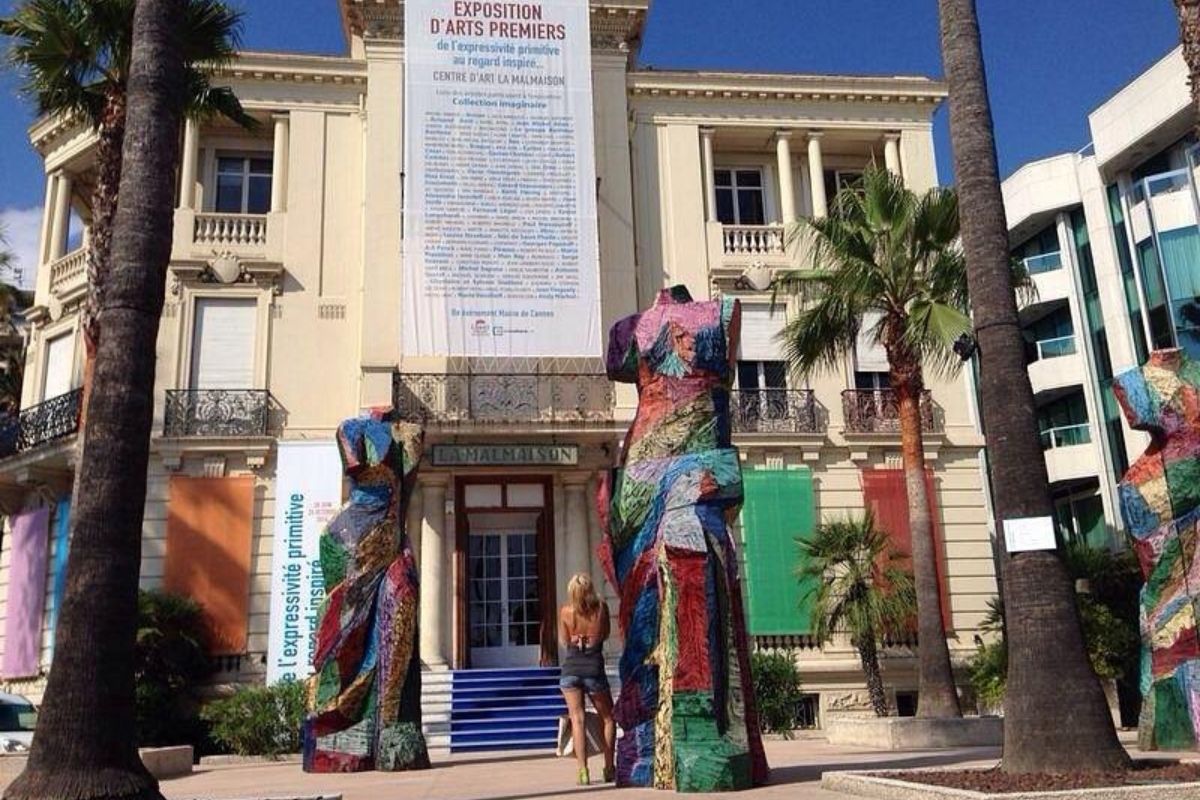
Cannes does not need a heavy museum plan. One culture stop is enough. La Malmaison sits at 47 Boulevard de la Croisette. It fits a day shaped around the seafront, but the cost depends on the current exhibition.
The official Cannes website says the art center closes during exhibition installation and dismantling periods, and last admission is 30 minutes before closing. Do not walk there without checking the current exhibition dates. Musée des Explorations du Monde belongs to a different route. It sits above Le Suquet at Place de la Castre. If you are already climbing the old quarter, the €6.50 full ticket makes more sense than adding La Malmaison later and doubling back toward the Croisette.
This is where route cost matters. A museum near the path feels light. A museum that pulls you away from the path costs energy, time, and sometimes a missed market hour. Choose La Malmaison if rain hits while you are near La Croisette. Choose Musée des Explorations du Monde if your day is already moving toward Le Suquet.
The detail most visitors notice too late is the stop-start rhythm. La Malmaison feels like a clean indoor pause from the seafront. The Le Suquet museum feels more tied to the climb, with the old quarter already around you. One breaks the day. The other extends it. This stop belongs above Croix des Gardes because it helps bad-weather visitors and second-day travelers. But it should not push the market, Palais, Croisette, or Le Suquet out of the day.
8. Shop At Rue D’Antibes And Rue Meynadier
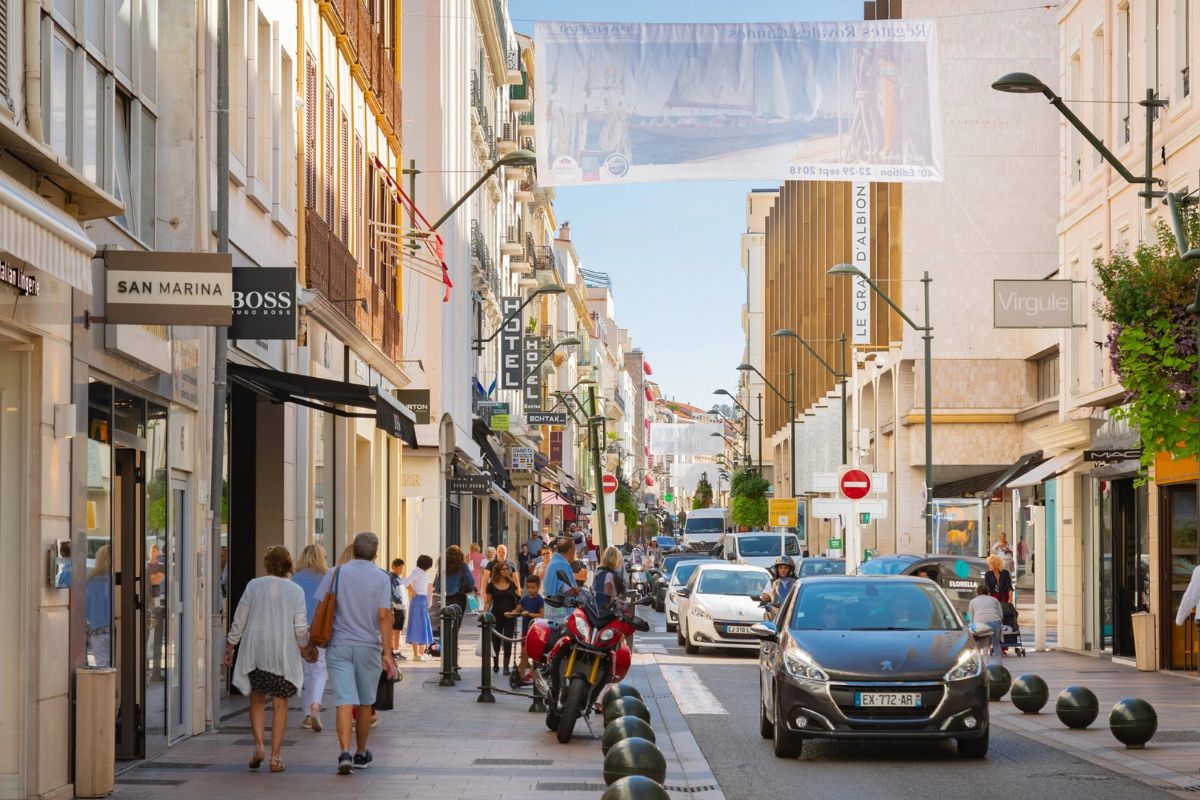
Shopping is one of the easiest things to do in Cannes, but it can weaken the day if you let it sprawl. Use Rue d’Antibes for a short city-center break. Use Rue Meynadier when you want shopping to move you toward Forville and Le Suquet. Rue d’Antibes is an easy city-center shopping street. It sits close to the station and runs parallel to the Croisette side. Use it for fashion, gifts, beauty shops, or a weather break before the route turns toward the sea.
Rue Meynadier is more useful for a first visit. It pulls you toward Forville Market and Le Suquet, so it adds movement instead of stealing time. It also has better low-cost food logic. A small bakery stop, cheese, olives, fruit, or something easy to carry can turn into a cheaper lunch than sitting down near the Croisette because your feet are tired. The Croisette is the high-price window. For many visitors, it is sightseeing with labels attached.
Use shopping as a connector. Rue d’Antibes fits after the train. Rue Meynadier fits before or after Forville. The Croisette storefronts fit during the promenade. Set a limit before you start. Long browsing blocks are one of the easiest ways to lose the best part of Cannes. Skip the long shop if Le Suquet is still waiting.
7. Use The Old Port As The Day’s Turning Point
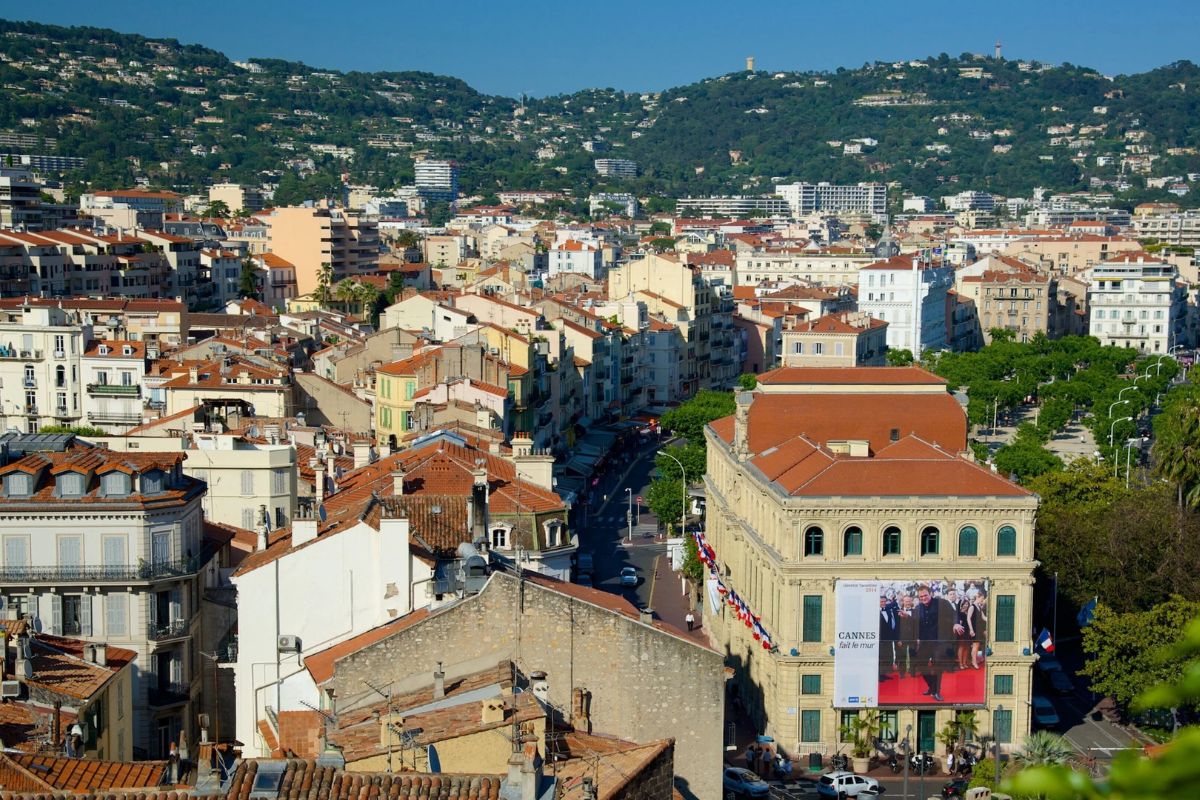
For visitors still deciding what to do in Cannes, the Old Port is the place to pause and choose. From here, the day can turn toward the islands, the market, Le Suquet, the Palais, or La Croisette. The Old Port is not the longest stop in Cannes. It is the point where the day starts choosing a direction.
One side leads to the Palais and La Croisette. Another leads to Forville Market and Le Suquet. The quay also sits near the island ferry departure area, so it becomes practical if Sainte-Marguerite or Saint-Honorat is part of your plan. The walk itself is free. The costs start around it.
If you drive in, Pantiero and Palais car parks near this zone can make the port convenient, but paid parking changes the value of a quick stop. Cannes also has city-center parking offers, including some free-time arrangements, but those details should be checked before you build the day around driving. Walk the port slowly enough to look back at Le Suquet. From the quay, the old quarter no longer feels like a random uphill detour. It becomes the natural next chapter.
There is a small route detail here that matters. If you walk the port only facing the boats, you miss the way the hill sits behind them. Turn around. The climb to Le Suquet makes more sense from the waterline because you can see why the old quarter controlled the view.
6. Choose One Cannes Beach And Respect The Flags
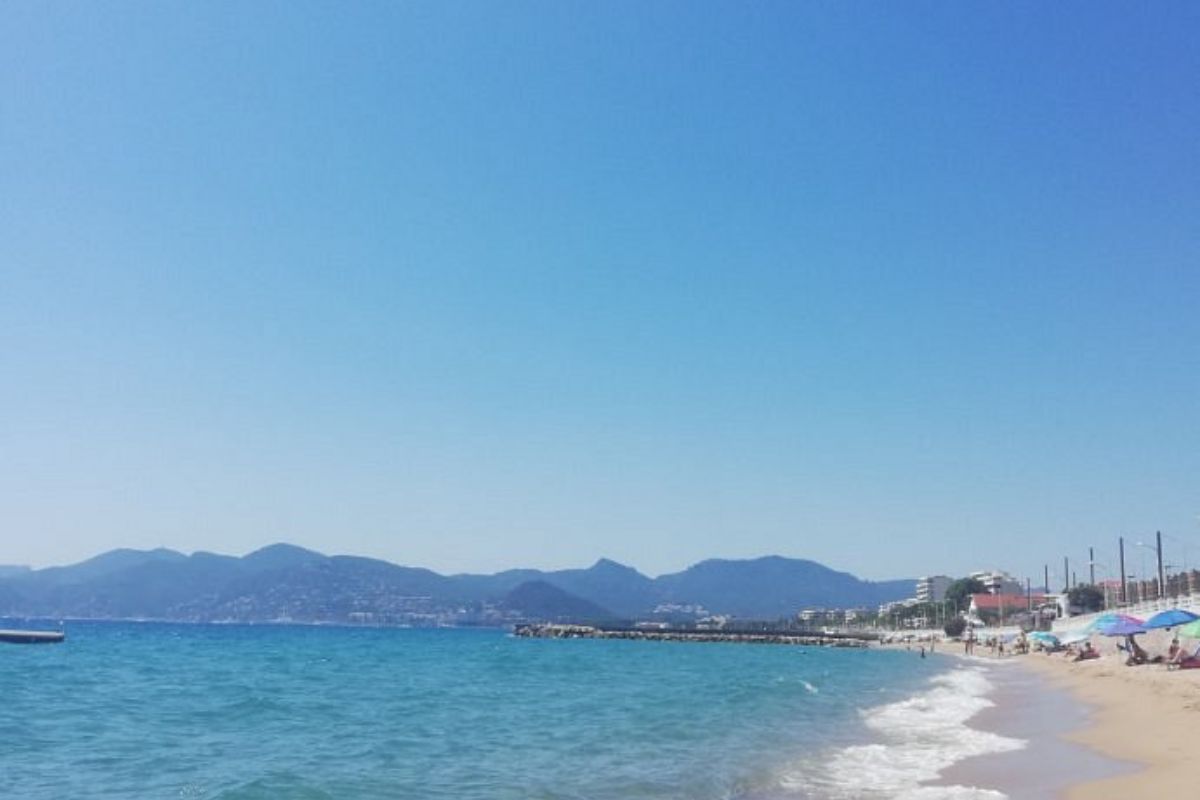
A Cannes beach stop feels easy until it eats half the day. Cannes city lists 7.6 km of beaches, with 13 public beaches, one managed public beach, and 33 concession beaches. That sounds like a choice. For a short visit, it mostly means you should pick a location and stop there.
Public beaches are the budget answer. Private beaches are the comfort answer. The difference is not only the chair price. It is the food bill, the drinks, the service charge, and the way a short “sit down” can quietly become the most expensive part of the day.
Near the Palais and western Croisette, use a central public beach such as Brigitte Bardot beach, formerly Macé. Near Le Suquet or Belle Plage, the Midi beaches fit better. Further east, Bijou Plage belongs to the Palm Beach side.
The safety flags matter. Green means supervised swimming without apparent danger. Yellow means supervised swimming with limited or marked danger. Red means no swimming allowed. Purple warns of pollution, dangerous aquatic species, or protected marine or underwater areas. If the red flag is up, stay out of the water.
A beach stop suits a warm, full day, a slow second day, or travelers sleeping in Cannes. Skip it if the wind is up, time is short, or Le Suquet still has not happened. The sea is part of Cannes. It is not the whole plan. And that is why the next choice matters.
5. Take The Ferry To One Lérins Islands, Not Both
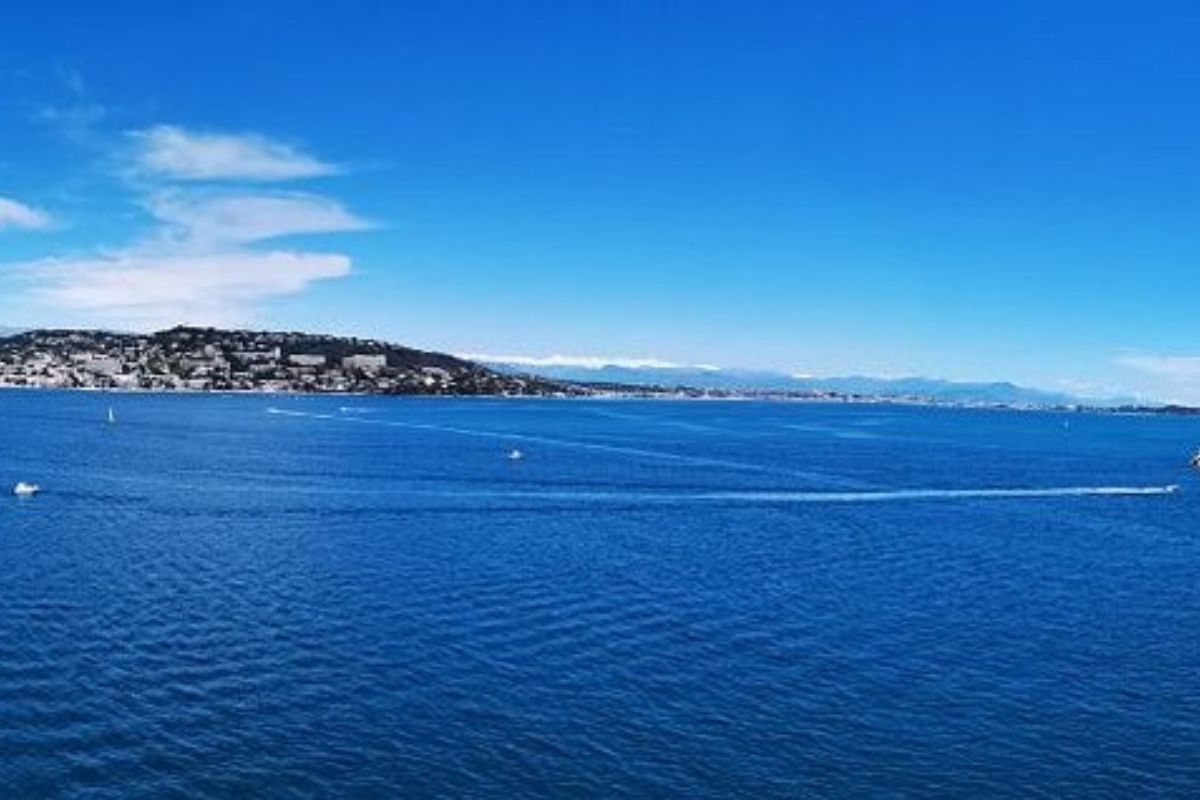
The Lérins Islands are the best paid add-on in Cannes. They are also the easiest way to break a tight day.
The major cost is the ferry which cost about €19.50 for an adult. If you add the Musée du Masque de Fer et du Fort Royal on Sainte-Marguerite, museum entry adds another cost.
There is a detail worth knowing before you go. The island day feels slower than the crossing suggests. Once you step off the boat, you are no longer in a city where you can predict the route every five minutes. Water, snacks, shade, shoes, and the return timetable matter more than they did on La Croisette. Do not try to do both islands on a short stay. Pick one island, then give it enough space.
4. Enjoy Breakfast Or Lunch Around the Forville Market And Rue Meynadier
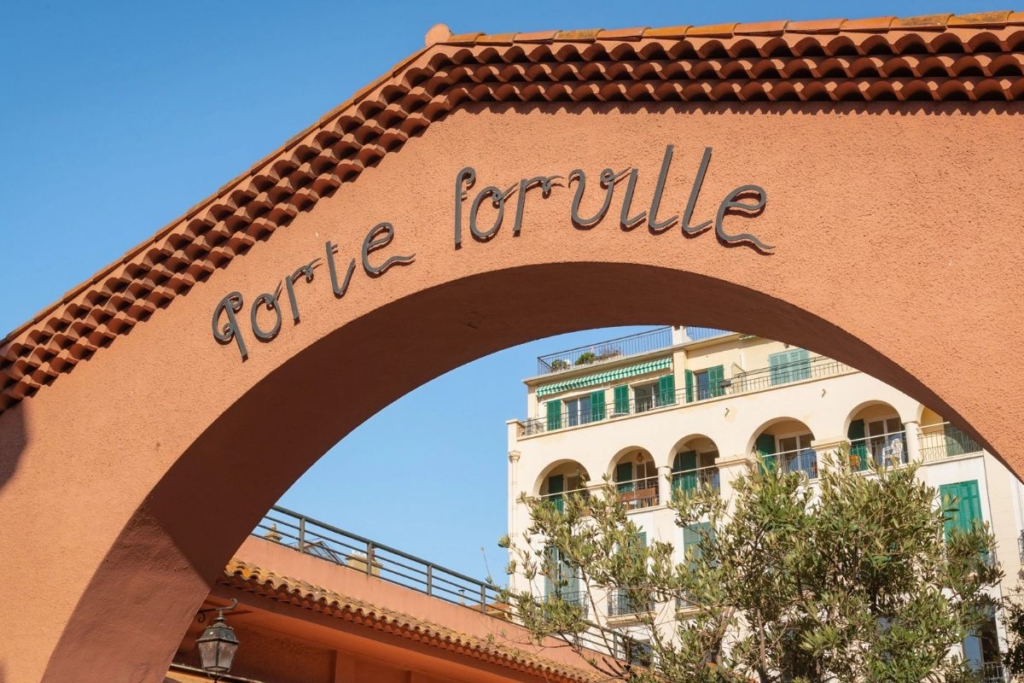
The Forville Market currently runs from 7 a.m. to 1 p.m. The cost implication is simple. This is where a low-cost Cannes day can recover. Fruit, bread, cheese, olives, flowers, or a picnic plan will usually make more sense than drifting back to the Croisette because you are hungry.
Then move into Rue Meynadier, the food-street link between the market side and Le Suquet. This is one of the best things to see and do in Cannes, for value. You pay only for what you buy, and the stop moves the route forward instead of pulling you away from it.
It suits day-trippers, food-focused visitors, and anyone asking what to see in Cannes France, beyond the red carpet. Skip it if the stalls are already winding down.
A good Cannes day often starts here, even if the sea tries to distract you first. After Forville, the city is ready to show its famous face.
3. Start At The Palais Des Festivals, Then Keep Walking

The Palais gives you Cannes in one photo. The outdoor stops are free, and that is the best part for most first-time visitors. You can grab the photo, check the handprints, read the event signage if crews are setting up something, and still keep your money for food, a ferry, or even a museum.
Plan to give the area 20 to 45 minutes. The real cost is not the ticket. It is the time lost if you wait around, assuming the building will automatically turn into a full attraction. Early mornings tend to give cleaner photos. Later in the day, the zone starts collecting tour groups, beach walkers, event crews, and people squeezing through between the port and La Croisette. The steps can start feeling less like a landmark, more like a traffic island for visitors trying to get the same shot.
During some events, barriers block parts of the famous area. In the Film Festival stretch, expect restricted zones around the Palais, so don’t build the whole day around one staircase you might not reach.
2. Walk La Croisette
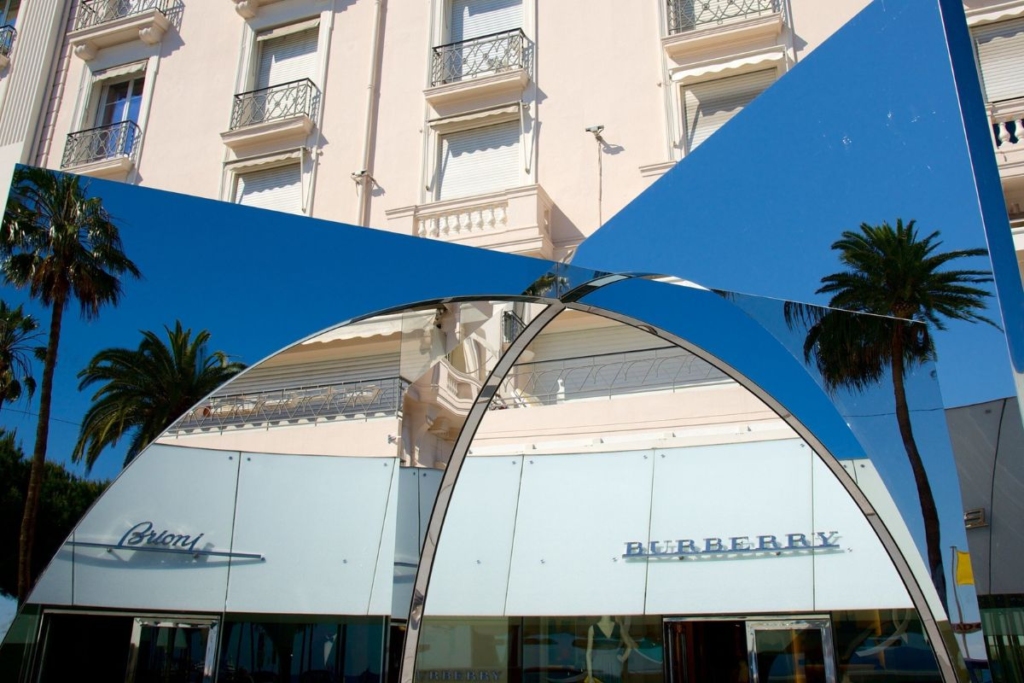
La Croisette is the Cannes image most visitors expect. It’s promenade is about 3 km, stretching from the Palais des Festivals toward Palm Beach. For a first trip, the western section near the Palais gives the strongest return. You get the sea, beaches, hotel facades, palms, luxury shops, and an easy turn back toward the Old Port.
The walk is free. The spending starts when you shop, or book a private beach bed.
Walk east with the sea on your right. Stop when the route starts giving you the same answer again. A full-day visitor might continue toward Port Canto or Palm Beach. A half-day visitor should turn back earlier and protect time for Le Suquet.
Morning brings cooler air. Late afternoon gives softer light. Midday in summer feels harsh if you still plan to climb. Skip the full 3 km if you dislike luxury retail or have less than four hours. Do the western stretch instead.
Where to stay for La Croisette
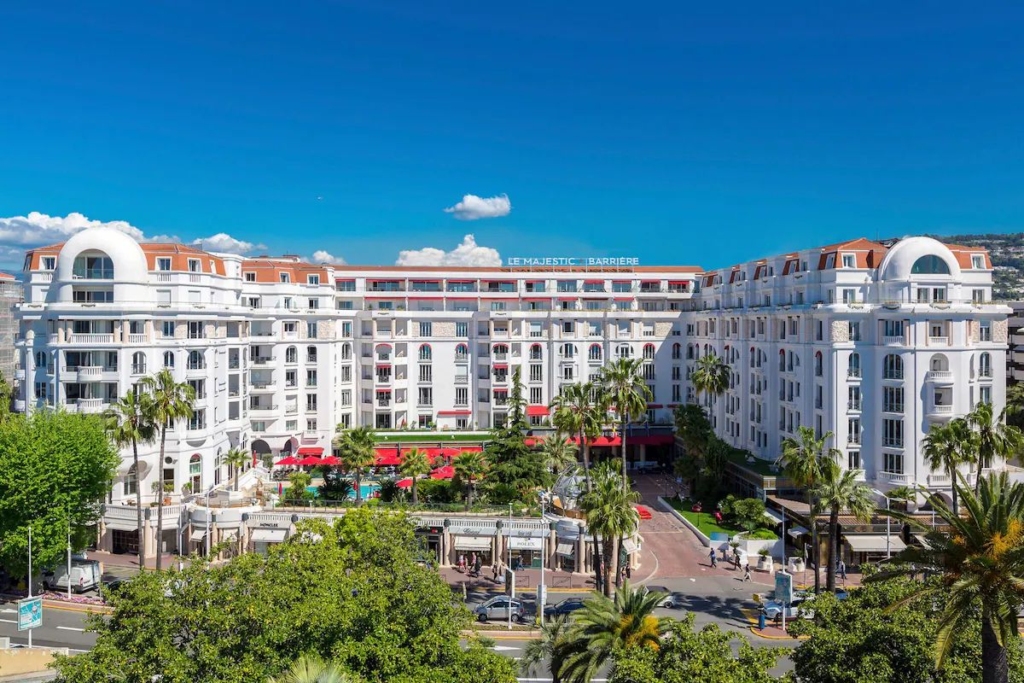
Hôtel Barrière Le Majestic suits travelers who want the Palais side of La Croisette at the door. Carlton Cannes fits visitors who want the classic boulevard address at 58 Boulevard de la Croisette.
OKKO Hotels Cannes Centre is more practical for train arrivals because it is located near the station, Rue d’Antibes, and the Palais within the easy core. La Croisette is almost the best answer. But Cannes needs one final turn away from the sea.
1. Climb Le Suquet
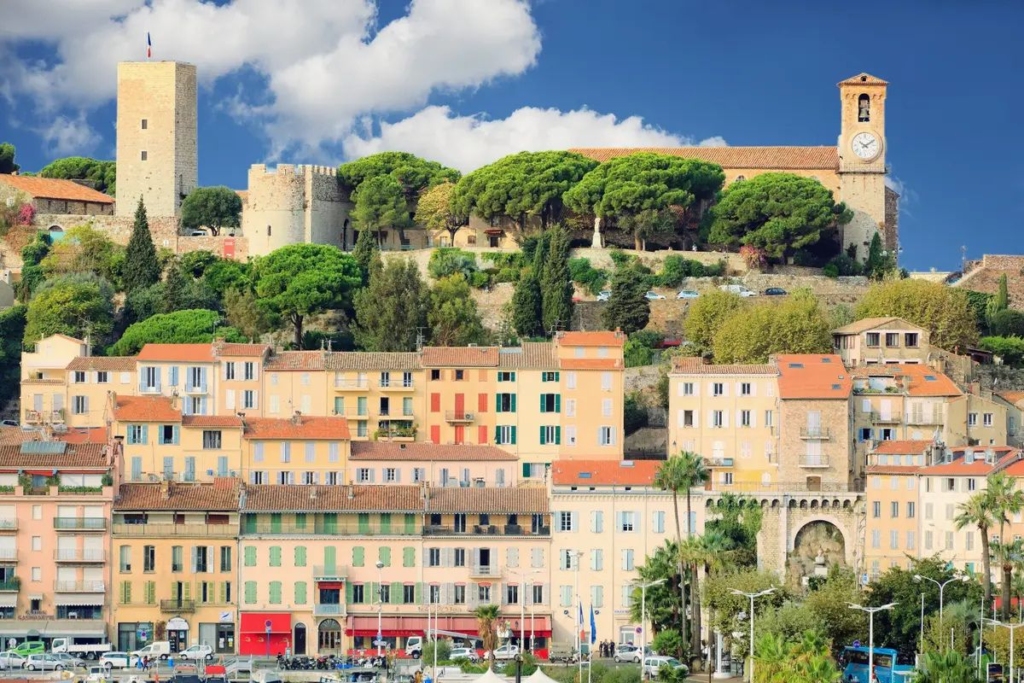
This is the stop that changes the whole day. Le Suquet is the old quarter above the Old Port and Forville Market. Cannes Tourism describes it as the historic district where the city began, with one of the best viewpoints in Cannes.
The streets and viewpoints are free. If you add Musée des Explorations du Monde, the full ticket is €6.50. If you need a ride, the Suquet shuttle is a low-cost option, with the Suquet Forville pass listed at €0.90.
Start from the market or port side. Walk up toward Notre-Dame d’Espérance and Place de la Castre. The climb is short, but it counts in summer heat. The lower streets still feel connected to the port and restaurants. Higher up, the city opens in pieces between walls, steps, church stone, and sudden gaps toward the bay.
Leave about an hour for the old streets and viewpoint. Also, add some time for Musée des Explorations du Monde if it’s open, and your group feels okay with the climb, you know.
Le Suquet is good for first-timers, photographers, couples, people who like the market stroll, and anyone who wants Cannes to feel more ancient than its red carpet. It is less suitable for travelers who have mobility limits, so keep that in mind. Use the Suquet shuttle or keep the visit lower if the climb feels wrong for your group.
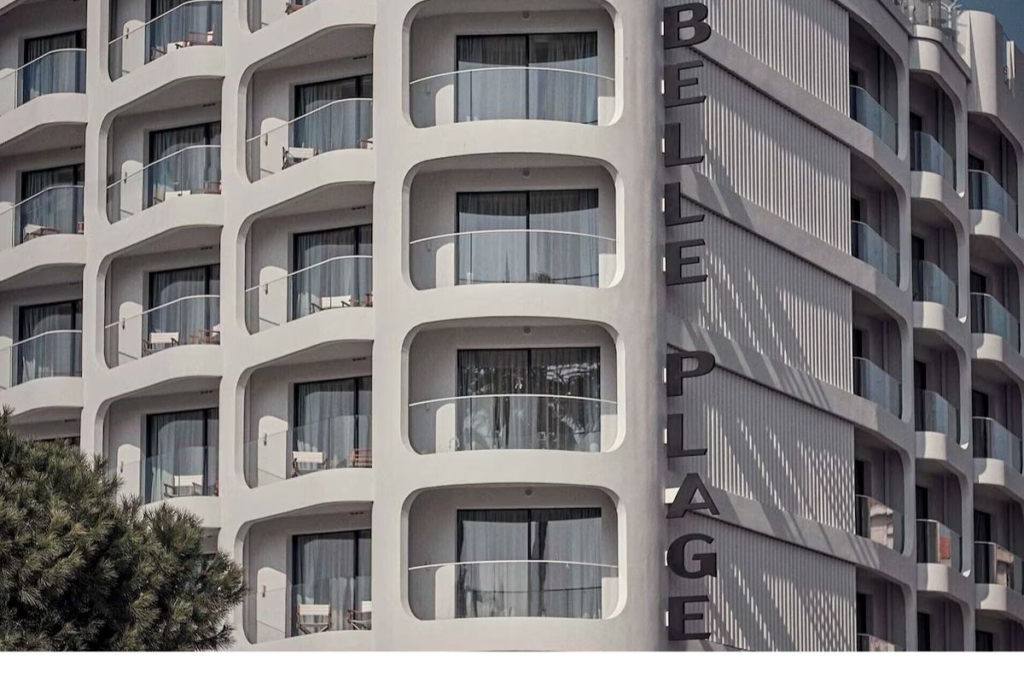
Where to stay for Le Suquet
Hôtel Belle Plage fits travelers who want Le Suquet, Forville Market, the Old Port, and the Midi beachside. It makes less sense for someone who wants the Palais steps at the hotel door.
Le Suquet is number 1 because it gives Cannes context. Without it, the city might feel like a beach beside a festival hall. From the hill, the day finally makes sense.
Cannes Route Table For Different Trip Styles
| Trip Style | Best Route | Time Needed | What To Cut |
|---|---|---|---|
| Half-day from Nice | Palais, short Croisette, Old Port, Le Suquet | 3 to 4 hours | Lérins Islands |
| Cruise stop | Palais, handprints, Old Port, Le Suquet, Forville if open | 3 to 5 hours | Any tight ferry plan |
| One full day | Forville, Rue Meynadier, Le Suquet, Old Port, Palais, Croisette, beach | 7 to 9 hours | Long shopping blocks |
| Two days | Central loop, then one island or Croix des Gardes | 2 days | Trying both islands |
| Beach-first visit | One public beach, short Croisette walk, Old Port dinner area | Half day to full day | Museums unless rain hits |
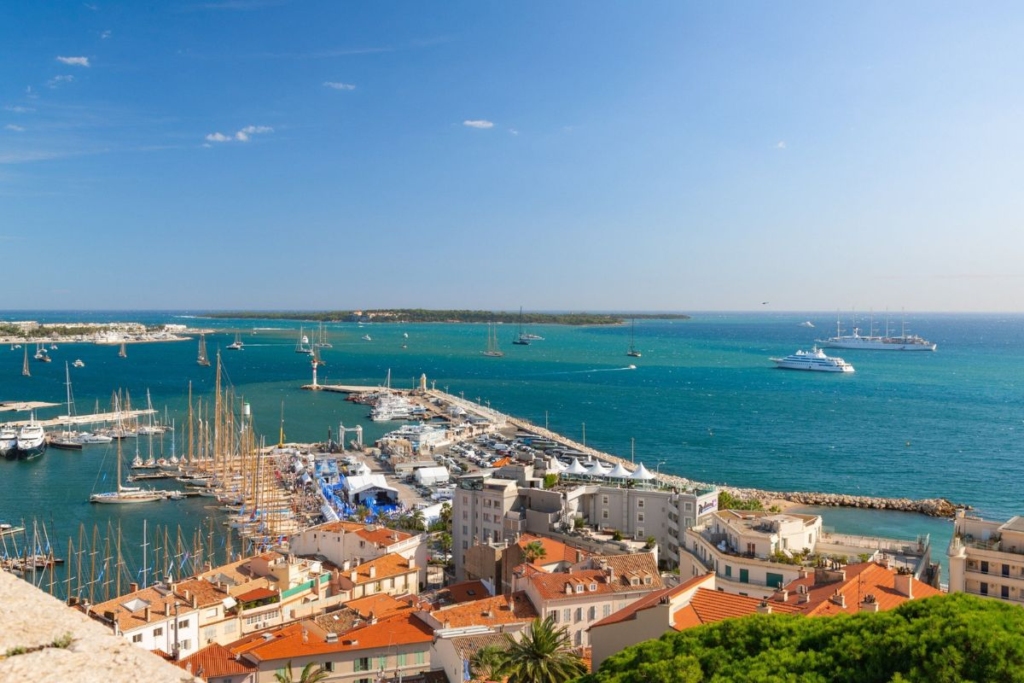
The Decisions That Make Or Break A Cannes Trip
Once the top 10 are clear, the next question is, how do you shape the rest of the trip? Cannes changes fast depending on where you stay, how you arrive, and where you dine, plus whether you tack on a ferry ride, a seaside break, a night out, or a day trip.
The notes below help you make those calls without weakening the main route.
Where To Eat And Drink Without Breaking The Route
A better food plan starts before the seafront takes over. Use Forville Market in the morning for fruit, bread, cheese, olives, flowers, or picnic food. If the temporary market hall remains in use because of renovation work, check the official market page before you go.
Rue Meynadier is a useful follow-up. It keeps you moving toward Le Suquet, and it gives you small food stops without pulling the route apart.
Rue Hoche fits later in the day. It sits close to Rue d’Antibes and the station side, so it works for coffee, an aperitif, or a lighter meal before evening plans. Le Suquet is the dinner choice with the strongest setting. Read menus before sitting down. Some streets price the view and the lane more than the plate.
A Croisette hotel bar is the splurge version of Cannes. Do it for the setting, not because lunch planning failed. The best rhythm is simple. Market in the morning. Rue Meynadier before the climb. Le Suquet or Rue Hoche later. Croisette drinks only if the price is part of the plan.
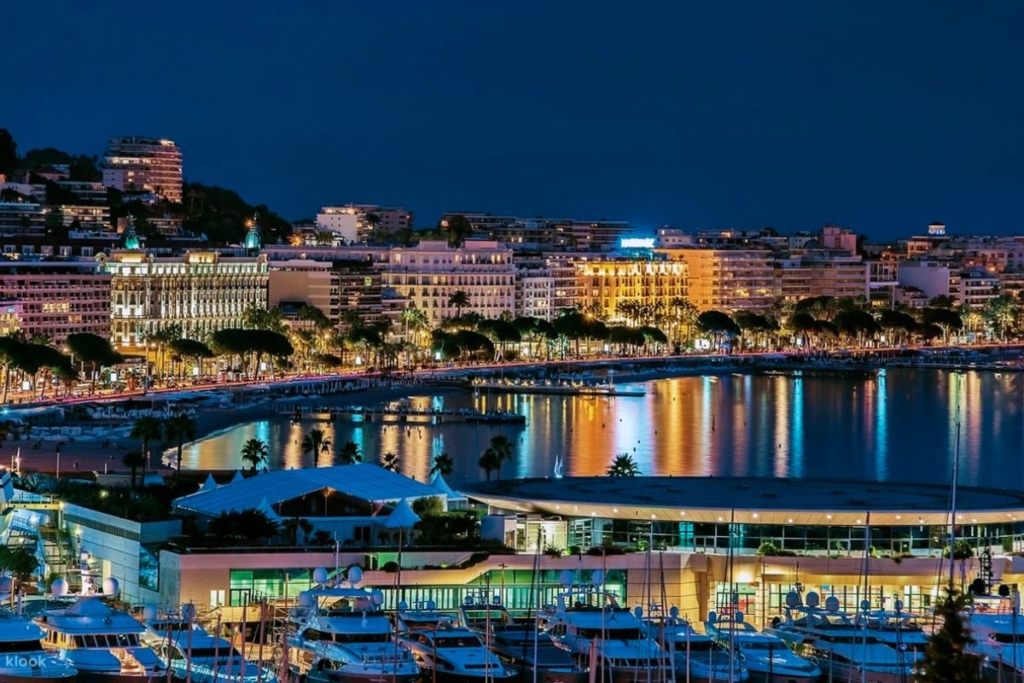
Cannes After Dark: What Is Worth Staying For
The Lérins ferry is the cleanest water choice because it has a clear purpose. Cannes Tourism lists catamaran trips, kayaking, paddleboarding, sailing, windsurfing, jet skiing, parasailing, diving, and boat outings. This gives beach travelers more than a towel on the sand.
A catamaran trip takes a real chunk of the day. It fits travelers sleeping in Cannes better than day-trippers. Kayak, paddle, or supervised beach activities fit better if you want water time without losing the whole route. Jet ski and parasailing cost more and work poorly with a culture-first day.
The cost often spreads. A water activity might add lockers, photos, drinks, transport to the meeting point, and another meal near the beach. Check age limits, sea conditions, meeting point, and what the price includes before booking.
A small physical detail matters here. On a windy day, the beach still looks usable from the promenade, but paddleboards, kayaks, and small boats feel different once you are on the water. Do not treat sea conditions as background information.
Frequently Asked Questions
What Are The 10 Best Things To See And Do In Cannes, France?
The 10 best things to do in cannes France, are Croix des Gardes, a sort of one culture stop, Rue d’Antibes and Rue Meynadier, the Old Port, one Cannes beach, then Lérins Islands, Forville Market, the Palais des Festivals, La Croisette, and Le Suquet.
What To Do In Cannes France If I Only Have One Day?
Start at Forville Market, then walk Rue Meynadier, climb Le Suquet, and come back down toward the Old Port. After that, see the Palais des Festivals, walk a chunk of La Croisette, then finish at one beach or maybe a museum too. Add the Lérins Islands only if you start early, and you guard the return ferry time, because it can get tricky.
Is Cannes Worth Visiting From Nice?
Yes. Cannes is a pretty smooth day trip from Nice by train. SNCF timetable examples show direct journeys with the shortest listed time of around 28 minutes and an average of 37 minutes. The best day-trip plan keeps you in the central walkable core the most.
What To See In Cannes, France, for Free?
The best free things to see in Cannes, France, include La Croisette, the Palais steps, the Chemin des Étoiles handprints, the Old Port, Rue Meynadier, Le Suquet, public beaches, and Croix des Gardes.
Is The Lérins Islands Ferry Worth It?
Yes, if you have at least half a day. Sainte-Marguerite works well for a walking vibe, Fort Royal and the Iron Mask Museum. Saint-Honorat fits the abbey mood, plus quieter island time. If your cruise stop is short, skip the ferry.
Do You Need A Car In Cannes?
No, not for the main sights. Central Cannes is walkable, the train station is fairly close to the core, and local buses help with longer hops. A car helps more for countryside villages, less central beaches, or if you want a wider Riviera road route.
What Should I Skip In Cannes With Limited Time?
Skip Croix des Gardes, the long shopping stretches, the private beach clubs, and also the Lérins Islands if you’re working within four hours. Put your time where it counts, the Palais, the Croisette, the Old Port, Forville, Rue Meynadier, and Le Suquet, because that’s the core feeling of it.
A Final Note
Cannes can feel way better once you stop chasing the longest list. For a first visit, try to build the whole day around one central route, Forville Market, Rue Meynadier, and then the Old Port, after that the Palais des Festivals, plus a brief bit of La Croisette, and one last climb up to Le Suquet. Add a beach only if the sky behaves and the schedule lines up right.
Add Sainte-Marguerite or Saint-Honorat only if you have a half-day spare. Keep Croix des Gardes for a greener second day. Those are the things to see and do in Cannes that give the city its shape
The biggest mistake is leaving Le Suquet as a tired final extra. It gives the clearest answer to what to see in Cannes France because the whole city literally opens from the top: the port, the Palais, the beach line, La Croisette, the bay, and the islands.
Add one extra if the trip allows it. Leave the rest for another visit.